
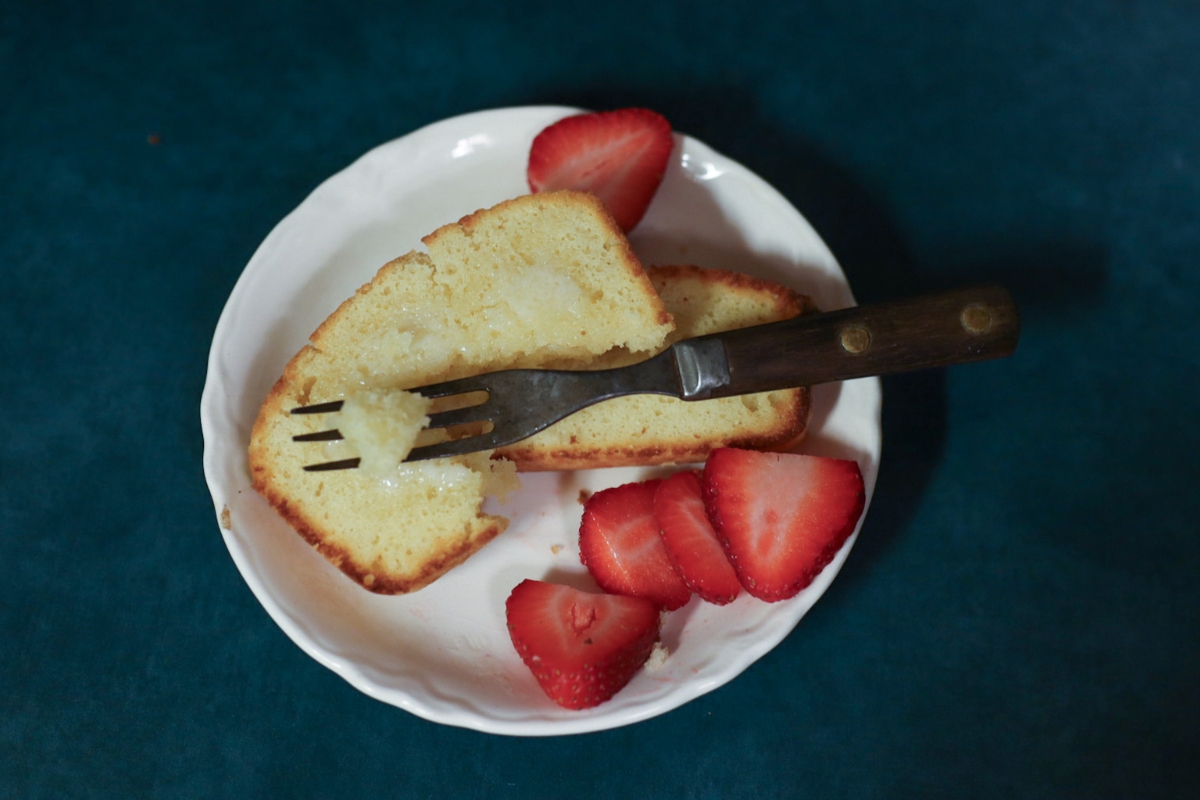
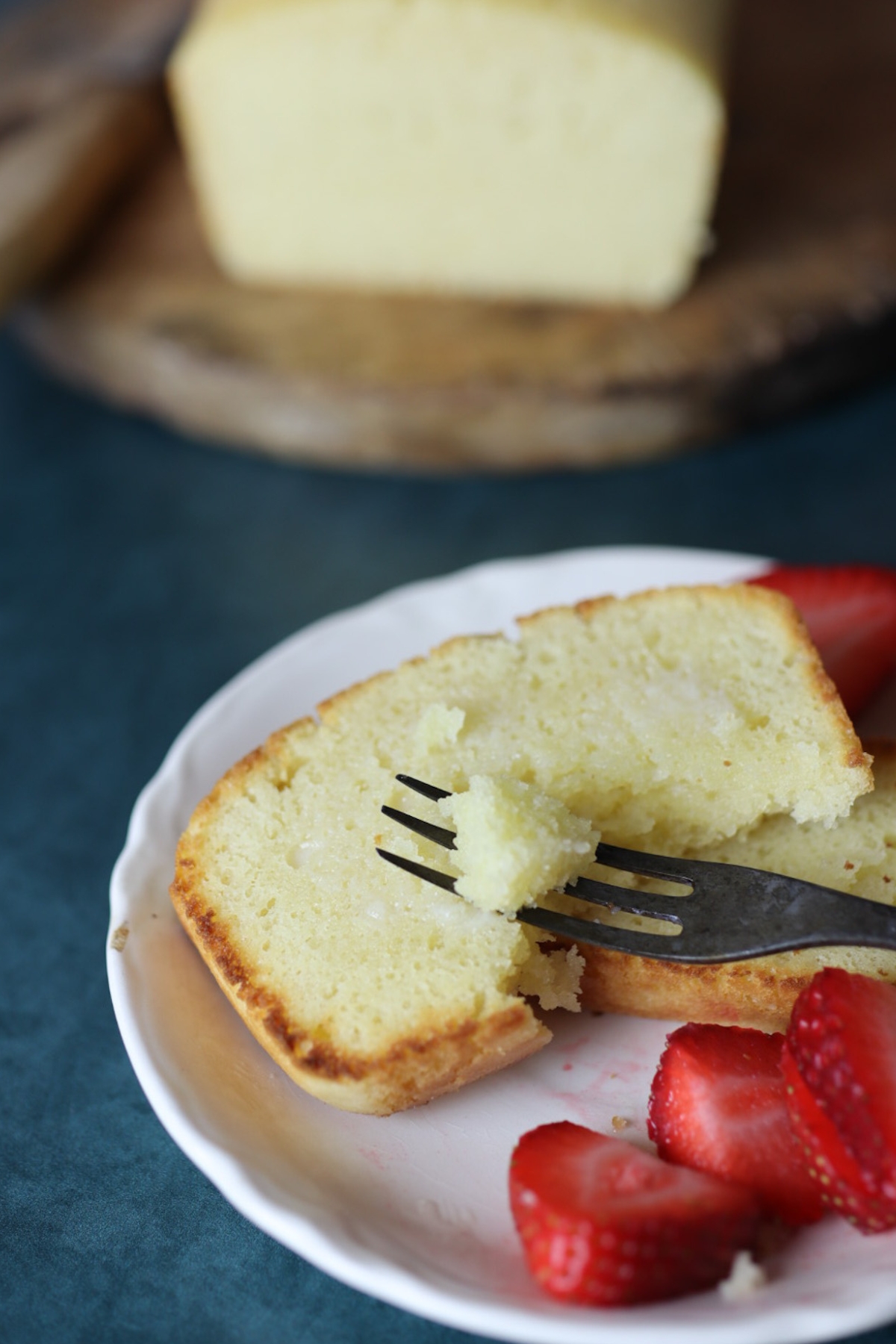
This light and summery cake is delicious and versatile. Meant to be “eaten hot with butter, for breakfast or tea”.
Dear friends ~
One of my favorite parts of this project is hearing from readers. I so enjoy the wonderful emails I receive from so many of you.
Sometimes it’s a reply to one of the newsletters I send out when I share a new recipe. Sometimes it’s a kind note because someone hasn’t seen one of my newsletters in their inbox in a while, and just wanted to see how I’m doing. And many times, these notes come because a special event is coming up, and it would be so lovely to have some historic recipe suggestions for what to make.
Lately, I’ve had several requests like this for “a good cake to make for summer time”. So today, I’m sharing a versatile Sally Lunn recipe that whips up quickly, and is so summery.
It’s perfect for brunch, or a poolside tea time, and doubles as the most luscious base for any type of shortcake. Pair this with whipped cream and fresh berries, and you’ve got a picture-perfect summer dessert. Hope you enjoy it!
~ Anna
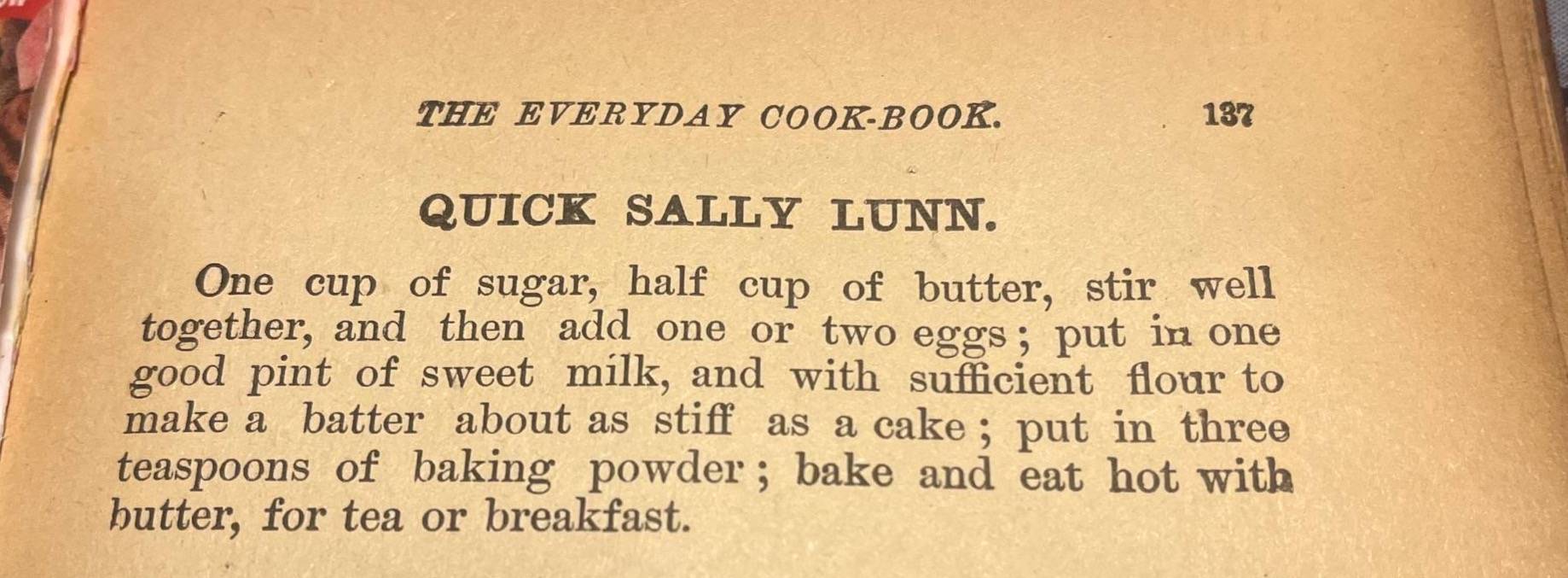
The Everyday Cook Book, 1892
QUICK SALLY LUNN
One cup of sugar, half cup of butter, stir well together, and then add one or two eggs;
put in one good pint of sweet milk, and with sufficient flour to make about as stiff as a cake;
put in three teaspoons of baking powder;
bake and eat hot with butter, for tea or breakfast.
Here’s a photo of the recipe as it appears in the cookbook:
A FEW COOKING NOTES:
There’s a reason this is called “Quick” Sally Lunn. It really is a quick and easy recipe to whip up!
Here are a few baking notes that might help if you decide to make this.
One egg or two?
It’s a fairly common occurrence in 1800’s cookbooks, to have a range for the number of eggs to use in a recipe. The general rule of thumb was to use the maximum suggested number of eggs called for, if you could.
In wintertime, when eggs were “dear”, one might go with the smaller number of eggs. In the spring and summer when eggs are cheap and plentiful, using the maximum number of eggs gives the best and richest result.
It’s July and my girls that aren’t busy raising babies or sitting on nests, are laying nicely. I went with two eggs, and the result was rich and lovely, so I’d recommend it if you can.
How much flour?
To get that “stiff as a cake” consistency, I’ve found that 3 ¼ cups has been just right, both times I’ve made this recipe.
For science, I should have made myself use just a single egg one of these times, to see how much flour was required when using only one egg. I actually meant to do this, and got carried away…oops. Next time!
If you’re opting to use just one egg, I’d suggest starting with 2 ¾ cups of flour, and adding more a little at time until you get a nice thick cake batter texture. Using the full 3 ¼ cups would probably make a one-egg batter too stiff.
What kind of cake pan to use?
As a tea or breakfast cake, I’d go for either a square or round pan, with a center hole; or use loaf pans.
You could absolutely also use a bundt pan, if that’s what you have. These didn’t become common until the early half of the 1900’s, but these days you’re more likely to have a bundt-shaped pan in your kitchen, than a simple circle or square with the center hole, and this recipe would fill a standard bundt pan beautifully.
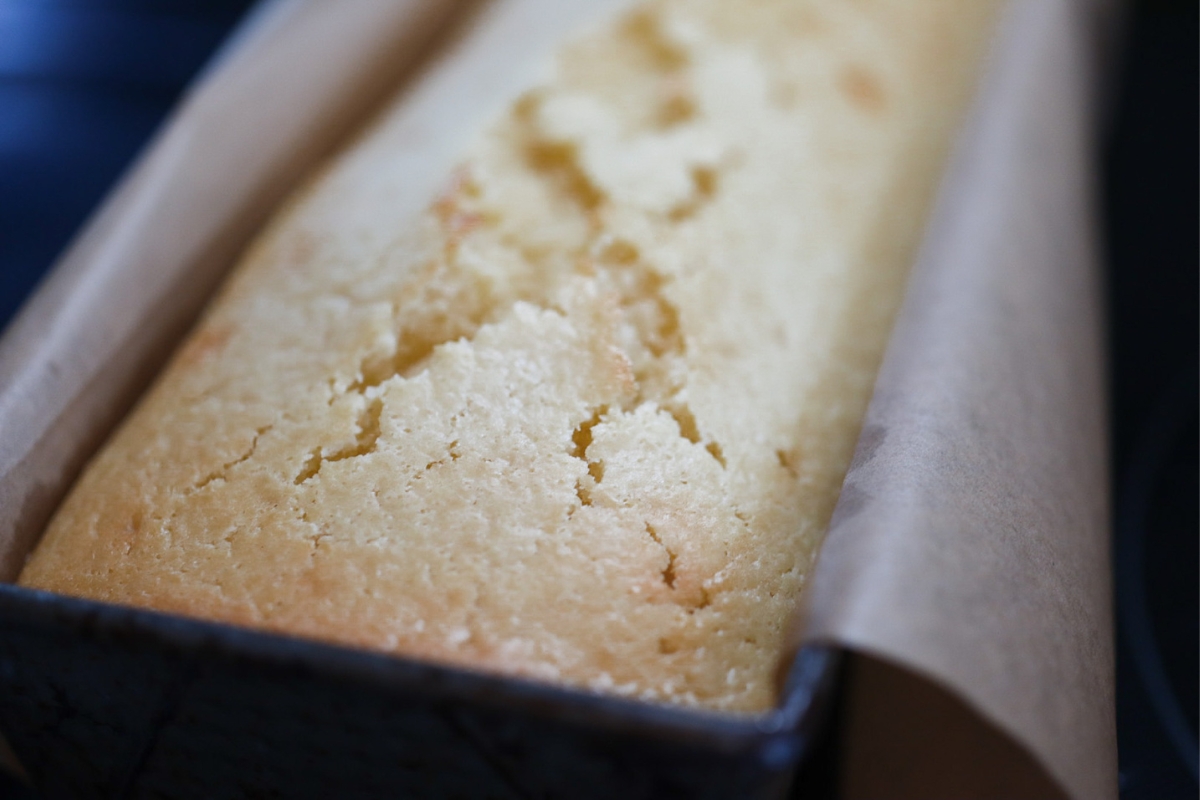
My favorite way to make this cake is in my extra-long bread pan. It’s 13″ long, so bigger than a standard loaf, and works perfectly for baking one batch of this recipe.
Diving the batter between two smaller bread pans also works well.
Whatever you use, you’ll want to generously grease and flour the pans.
How hot should the oven be?
I’ve baked this recipe at both 375° F, and 400°. I preferred the result with baking at 400°. It gave a lighter, more delicate crumb than baking at the lower temperature.
How long to bake this cake
At 400°, in my extra large bread pan, this recipe takes right about 50 minutes to bake. It will probably take about this long in a bundt pan as well.
In smaller pans, it will bake in a little less time. If you’re using two bread pans, I’d start checking for done-ness after about 35 minutes.
The cake is done when it’s just turning golden brown, and is fully set in the middle. If you have an old fashioned broom straw handy, it should come out clean when inserted in the center. A modern toothpick also serves the task just fine.
Some ways to enjoy this versatile cake
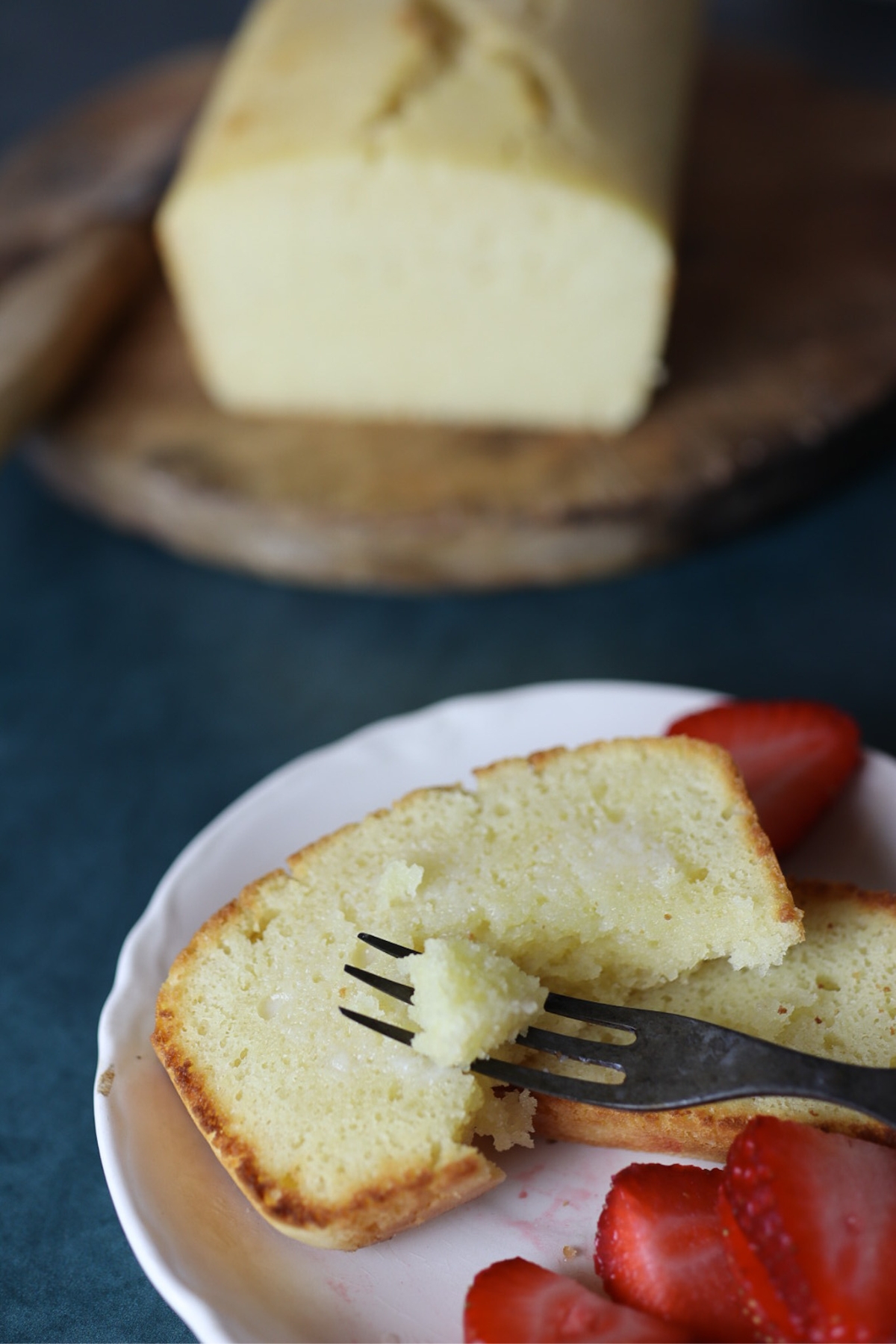
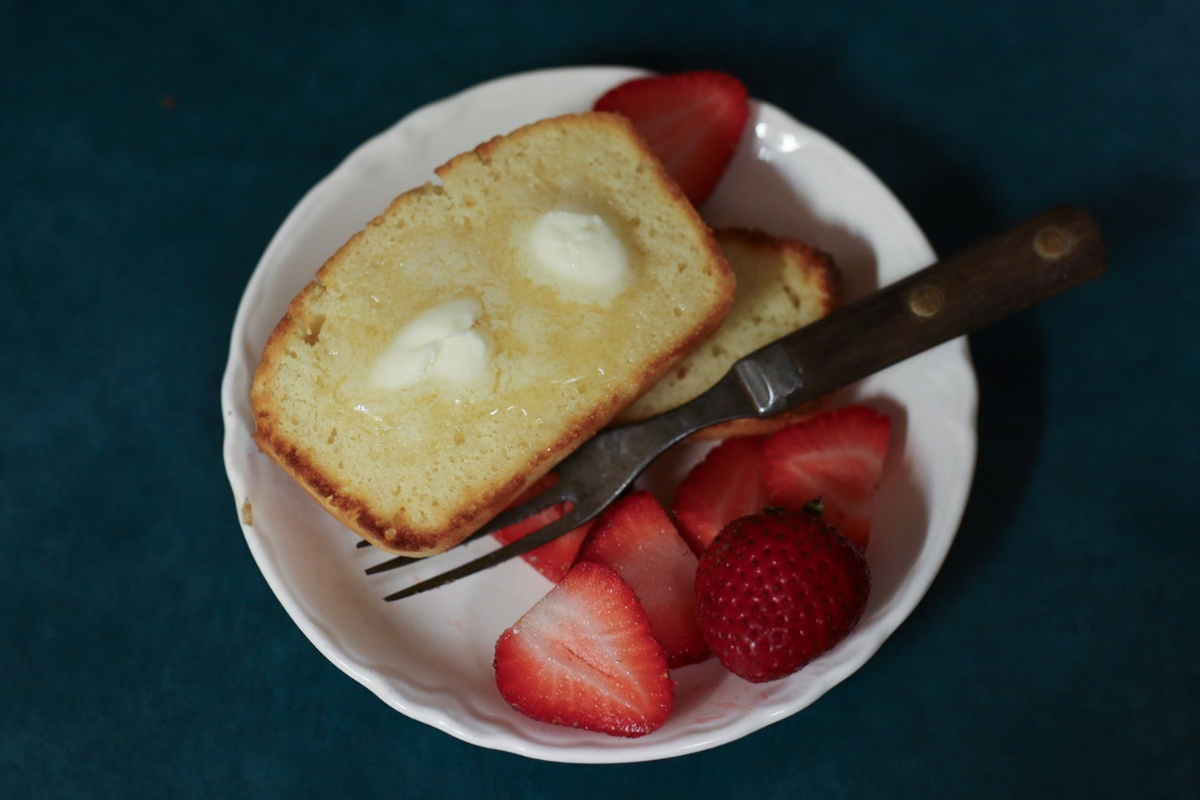
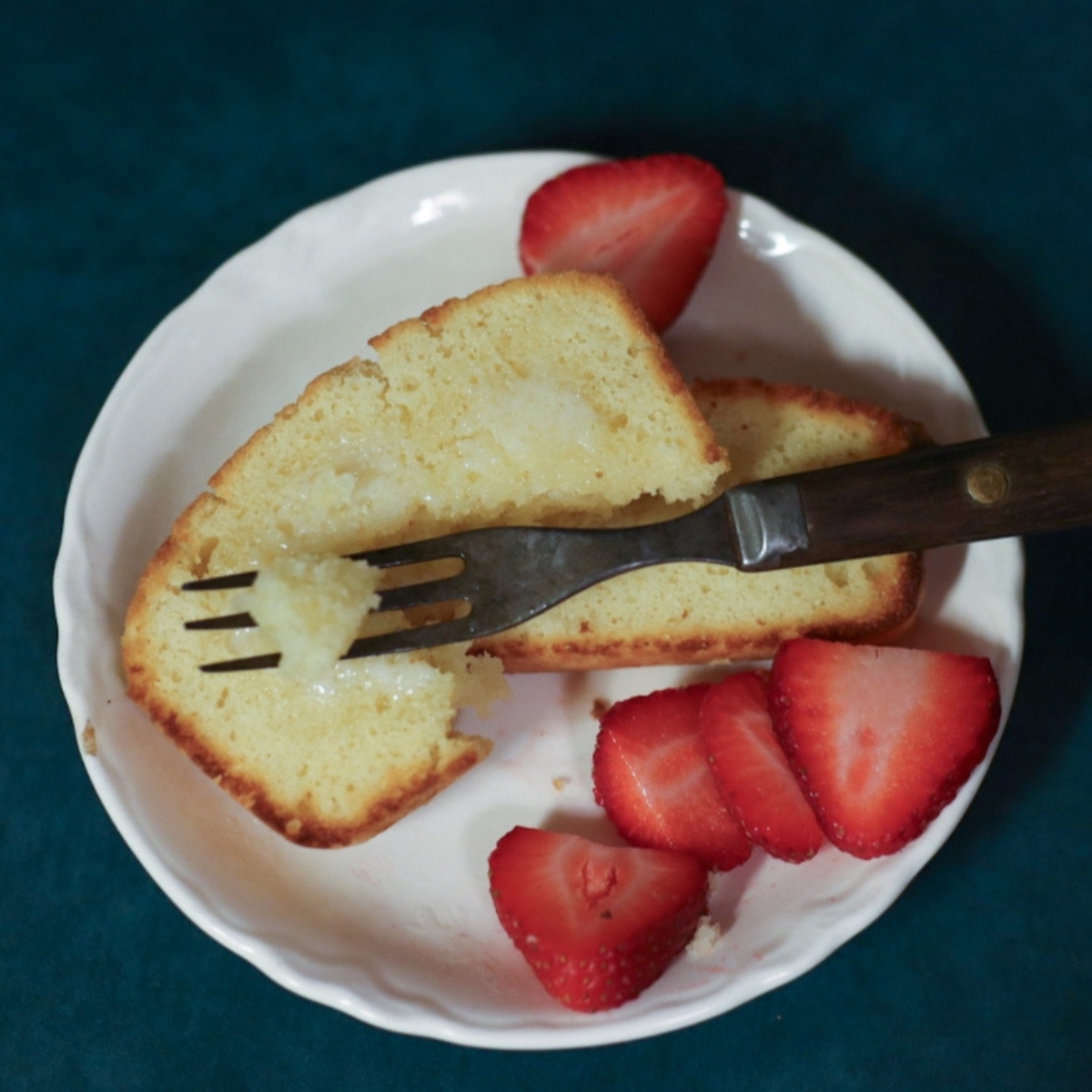
Aside from the serving suggestion of eating it hot with butter for breakfast or tea, this cake also makes a wonderful base for shortcakes. Paired with whipped cream and berries of any kind, it’s divine.
It also toasts up beautifully, if you’ve got a toaster oven. If you’re lucky enough to have any leftover the next day, toasting or grilling it like a muffin is absolutely something you have to try.
Can you tell we love this cake?
I do hope you’ve been well, and enjoying the summer. It’s so good to be sitting down to this newsletter again. What type of recipes is everyone hankering for? Shoot me an email and let me know what you’re looking for. I’d love to hear from you!
Until next time, ~ Anna
📖 Recipe
Ingredients
- 1 cup sugar
- ½ cup butter
- 2 eggs
- 1 pint milk
- 3 ¼ cups flour
- 3 teaspoon baking powder
Instructions
- One cup of sugar, half cup of butter, stir well together,1 cup sugar½ cup butter
- and then add one or two eggs;2 eggs
- put in one good pint of sweet milk, and with sufficient flour to make about as stiff as a cake;1 pint milk3 ¼ cups flour
- put in three teaspoons of baking powder;3 tsp baking powder
- bake and eat hot with butter, for tea or breakfast.
Notes
Nutrition
Some other summertime recipes you might enjoy:
Comments
No Comments