
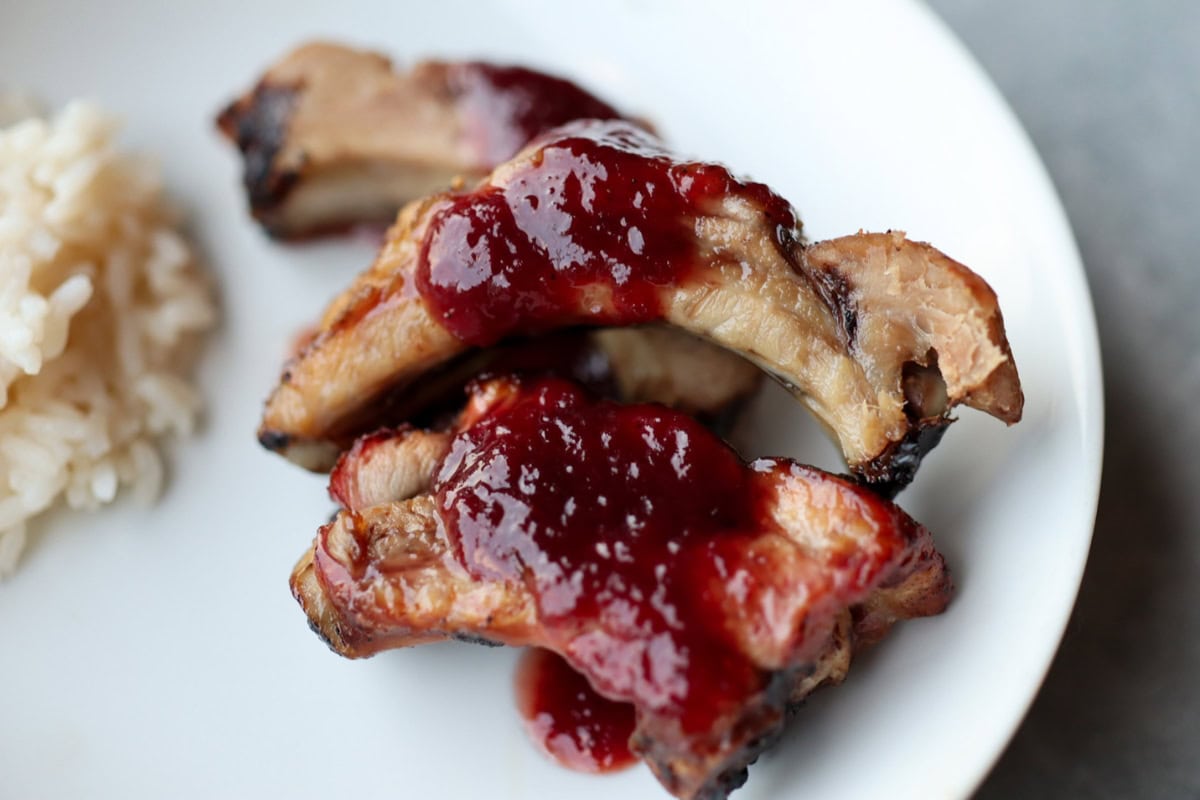
This 1894 plum catsup is my new favorite condiment. Sweet, tangy, and warmly spiced, it goes with everything!
Dear friends ~
It Several weeks ago, I made up a big batch of this plum catsup. Ever since, I have been putting it on absolutely everything. Beef, lamb, pork, chicken…you name it. If it’s meat, I’m putting plum catsup on it.
I had debated just making a small trial batch, rather than the full amount listed in the recipe, which calls for 6 pounds of plums. Plum catsup sounds more like a fun oddity to try, after all. I didn’t envision it as a must-have basic sauce that goes with everything. Thank goodness, I made the whole batch, because I’ve also been giving it away to all of my friends. As I type this, I now actually have an entire second batch simmering on the stove!
It’s a little bit sweet, a little bit tangy, and warmly spiced, so it feels cozy and flavorful for this time of year. The other day we had unseasonably warm weather though, and I made burgers on the grill for a last taste of summer. This catsup complemented burgers wonderfully too.
I don’t lightly throw around the word “obsessed”, but my one of my kids has recently added this to his vocabulary, and according to him–“Mom is obsessed with this sauce.”
Make of that what you will, but if you’ve got plums on hand and like a good old fashioned sauce with your meat, by all means do make this plum catsup!
~ Anna

The Century Cook Book and Home Physician, 1894
PLUM CATSUP
Put in a preserving kettle six pounds of plums, three and one-half pounds of sugar, and one quart vinegar; boil until the plums are reduced to a pulp; cool and press through a sieve, then add cinnamon, cloves, nutmeg, and allspice to taste. Put up in glass jelly cups.
Here’s a photo of the recipe as it appears in the cookbook:

A FEW COOKING NOTES:
Isn’t that cook book page beautiful, with all of the illustrations? I just love it.
What kind of vinegar should you use?
This recipe doesn’t say what kind of vinegar to use, but other condiment recipes of the era commonly did specify either apple cider vinegar, or white vinegar. Often they’d use language like the, “best apple vinegar” or “good white vinegar”.
I went with Bragg’s raw apple cider vinegar for this recipe, and it was perfect.
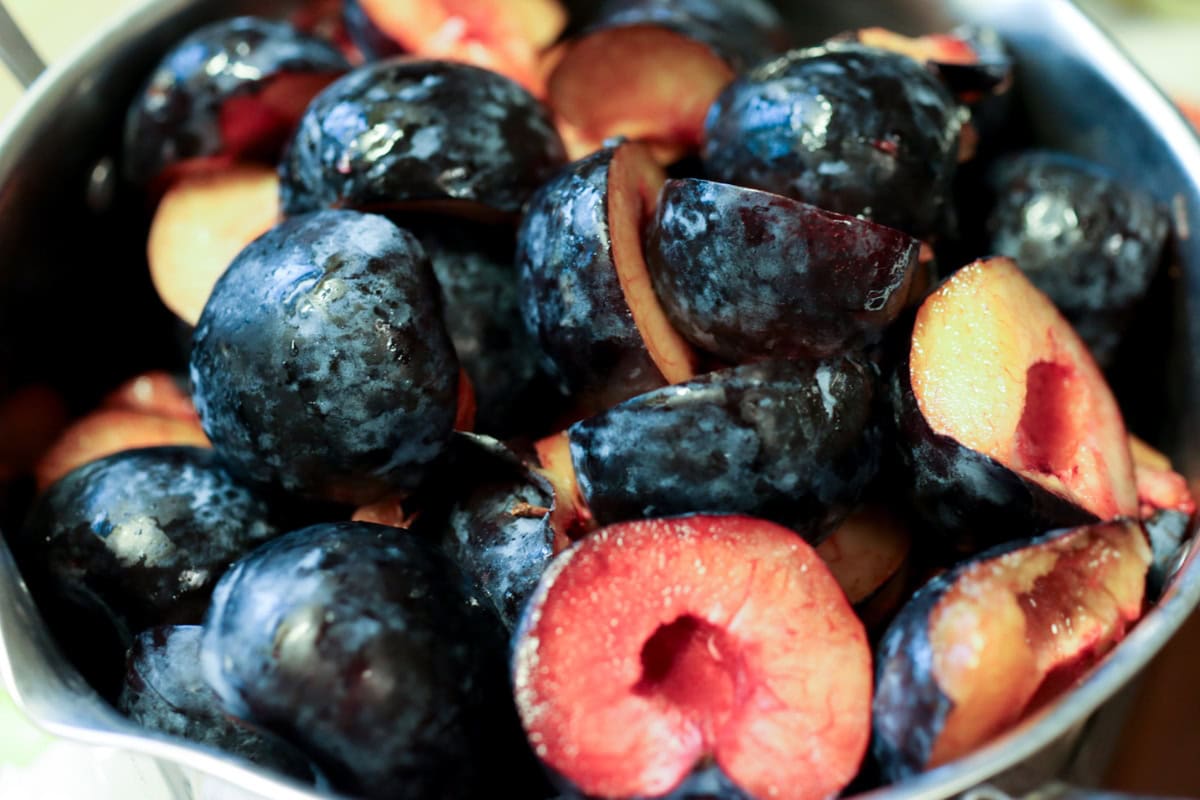
Pressing through a sieve
The easiest way to do this is with a food mill. It’s a bit anachronistic, but I love my 1940’s Foley food mill, and that’s what I used for this. If you truly want to be historic, you can pass the plum pulp through a good loose-mesh sieve, by stirring it through with a wooden spoon.
The spices
I used one tablespoon of cinnamon, and one of cloves, two teaspoons of nutmeg, and one teaspoon of allspice. This is a really good jumping off point, and if you love warm spices, you may find that you want to bump up the spice even a little more than this.
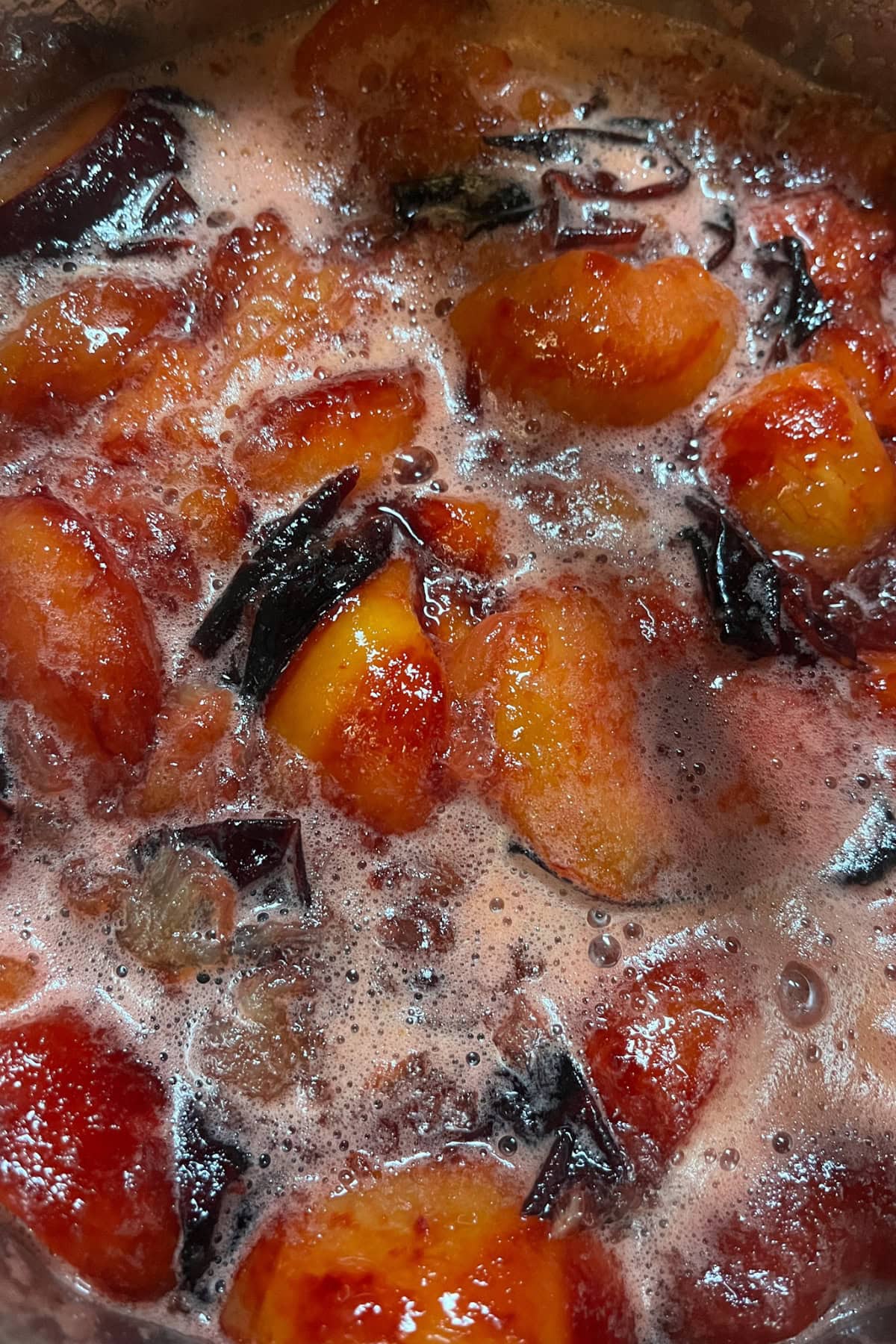
Can you can this catsup?
The right answer here is that you should only can modern, safety-tested recipes, like those from the Ball Blue Book, and the National Center for Home Food Preservation.
The longer, honest answer is that I did end up canning the catsup from this recipe. I do not always feel comfortable canning 1800’s condiment or jam recipes for long term storage. In this particular case though, I did feel comfortable doing that, because this recipe is so similar to other tested Plum Preserves recipes from the NCHFP, and the Ball Blue Book, with the addition of that vinegar which further acidifies the end product, something that allows foods to more safely be processed for long term preservation.
I went with the longest processing time for a similar recipe, which was 10 minutes in a boiling water canner, in half-pint jars.
To be clear though, please don’t let me sway you on issues of food safety here, nor encourage you to can a recipe that was written long before modern canning safety standards were established.
This recipe exactly as written has not been safety tested by any official food safety organization, for long term storage.
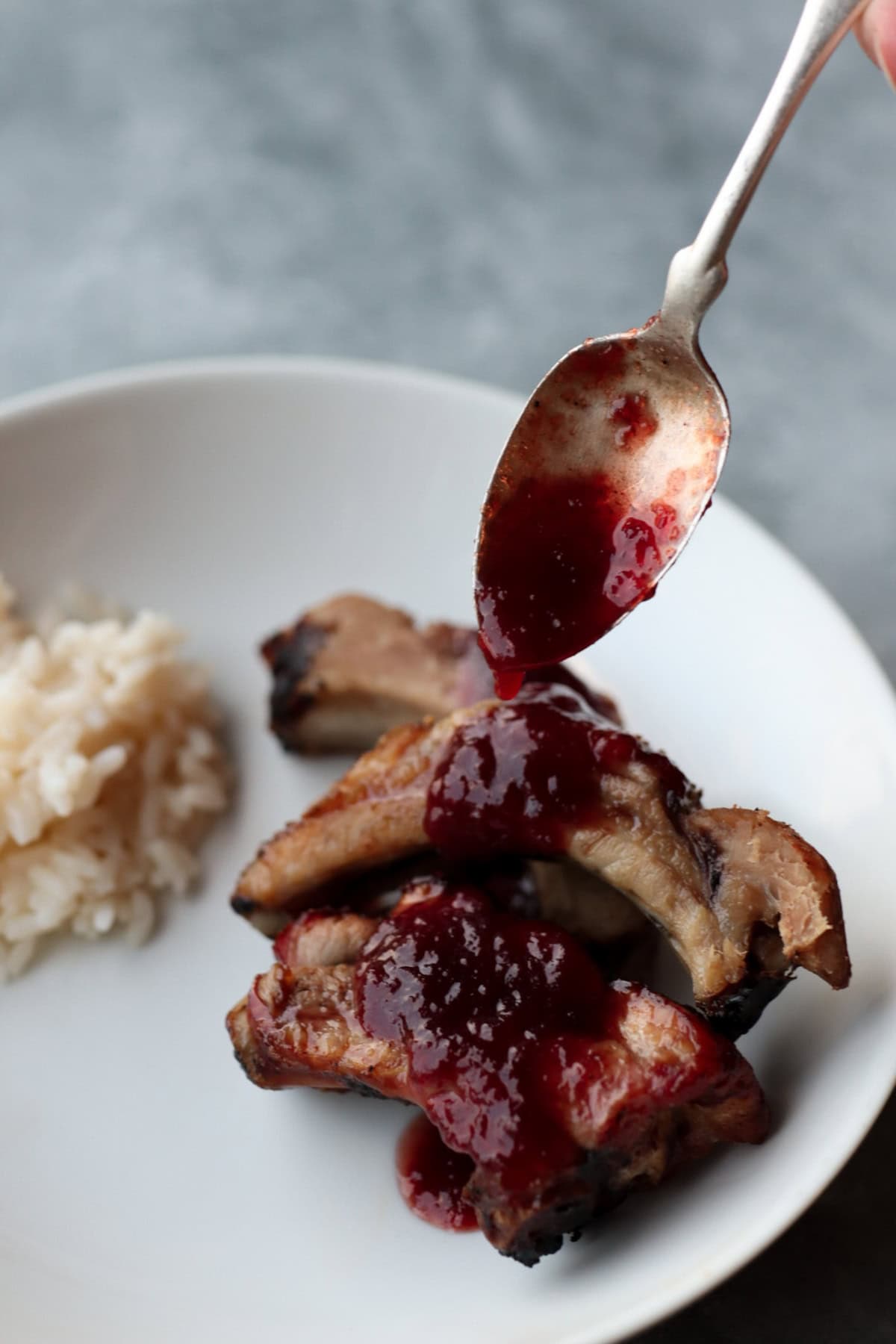
My daughter is asking me to try the elderberry catsup, and grape catsup recipes next. I’ll let you know how that goes!
In the meantime, I’ve got an absolutely delectable Ginger Cake recipe that I can’t wait to share with you. It’s like a soft molasses cookie and a pan of spicy Gingerbread had a baby, and then it grew up to be the queen of fall cake recipes. It’s really good!
As always, feel free to send me an email anytime, with recipe requests! Until next time, ~ Anna
This recipe was originally shared in the 1800’s Housewife newsletter. Not on the mailing list? You can join here to receive full recipes with cooking notes straight to your inbox!
If you liked this recipe, here are some others you may enjoy:

Vivianne says
Hi,
I commented on your TikTok earlier today, but I just found your site (I was actually searching for vintage paste, like adhesive, recipes and they took me to your Family Pie Paste). I wanted to come back to comment on this recipe specifically. I really appreciate that you discuss safe canning practices. It’s really common for bloggers not to acknowledge that there is risk involved when canning food that hasn’t been safety-tested. I appreciate that you let your readers know and allow us to decide for ourselves if we are comfortable canning this recipe.
As an aside, this looks absolutely delicious, and I want to make it when plums are in season again. I’ll keep mine in the fridge because I’m a paranoid person, but I know the risk of botulism is probably very small.
Hope you are doing well.