
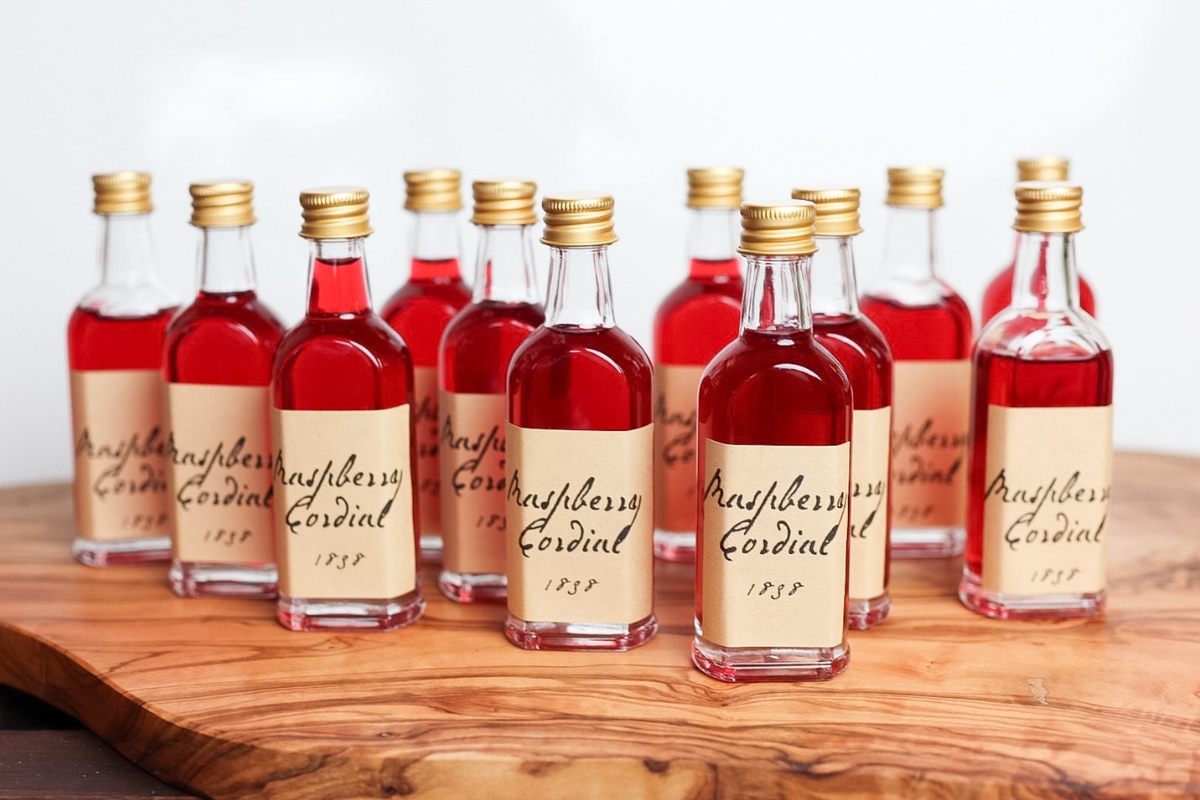
Smooth and intensely flavorful, this raspberry cordial is heavenly.
Dear friends ~
My kids are both at camp this week, so it’s oddly quiet (and clean!) around here. I’ve been really productive, but I sure do miss them, and so do all the farm critters.
Taking advantage of the quietude, I’ve been trying to get myself more comfortable sharing moments from this 1800s recipe project on video. It’s not something that comes naturally to me, but I’m enjoying it, and am pretty sure that stepping out of my comfort zone is good for my personal development or something.
Meanwhile, that Raspberry Cordial finally was ready to bottle up this week, and the first taste testers had this to say about it:
“So tasty, sweet, and medicinal”
“Oh, that’s so warming!”
“That feels SO good going down your throat”.
“DE-licious!”
If you’re looking for the raspberry cordial that Marilla would have made, this isn’t it. This 1838 recipe is boozier than even her currant wine would have been. Marilla’s cordial was probably something closer to the non-alcoholic Raspberry Vinegar that was very popular throughout the 1800s.
I’ve made up a big batch of that as well, and those notes will be on the blog soon, I promise!
If you do like sweet alcoholic cordials though, you’re going to love this one!
~ Anna
The Virginia Housewife, 1838
RASPBERRY CORDIAL
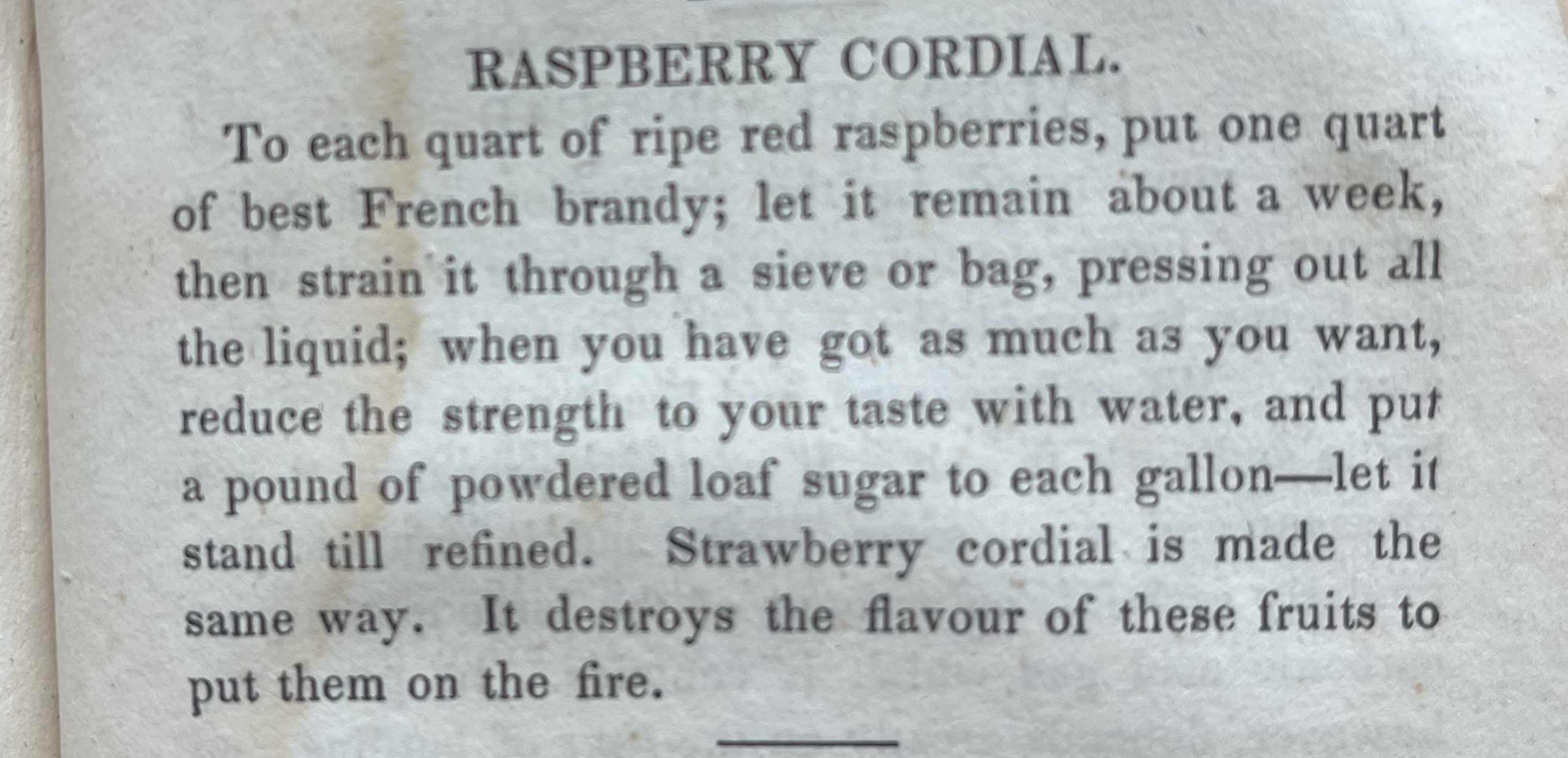
To each quart of ripe red raspberries, put one quart of best French brandy; let it remain about a week, then strain it through a sieve or bag, pressing out all the liquid; when you have got as much as you want, reduce the strength to your taste with water, and put a pound of powdered loaf sugar to each gallon–let it stand till refined. Strawberry cordial is made the same way. It destroys the flavour of these fruits to put them on the fire.
Here’s a photo of the recipe as it appears in the cookbook:
A FEW COOKING NOTES:
As 1800s cordials and wines go, this recipe is about as easy as it gets!
The berries
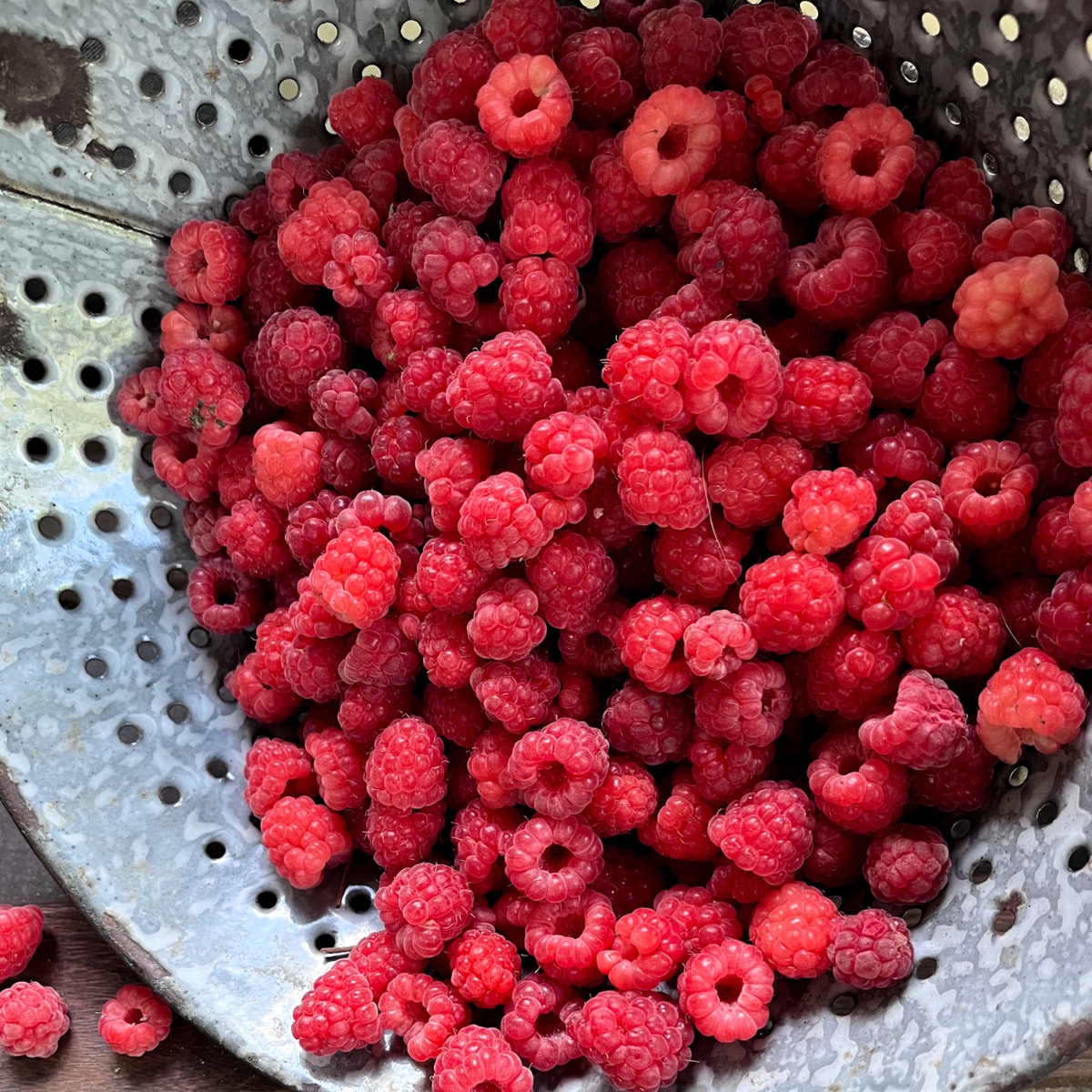
It’s still the end of raspberry season right now, so perfectly ripe raspberries are easy to come by, at least here in Maine. This is one of those recipes where the quality of the berries really does come through in the flavor of the finished cordial, so getting your hands on the best berries you can, is worthwhile.
Can you make this with frozen berries, if you can’t source fresh ones? You bet.
I’ve made other 1800s raspberry beverage recipes (like Raspberry Vinegar, a favorite of my kids!) with frozen berries, when fresh ones were out of season. It’s only a little less magical, so if that’s what you have to work with, I’d encourage you to still go for it!
The brandy
I did not buy “best French brandy”.
This mama does not have that kind of budget. I went with “not-the-cheapest” brandy, and made sure to choose a variety that wasn’t flavored.
If you know and appreciate good liquor, you may find that it’s worth getting the best brandy you can. What I will say, is that the raspberry flavor really does come through in this cordial, and everyone who’s tasted this batch has been very enthusiastic.
It doesn’t have to break the bank, to end up with an amazing, very giftable treat.
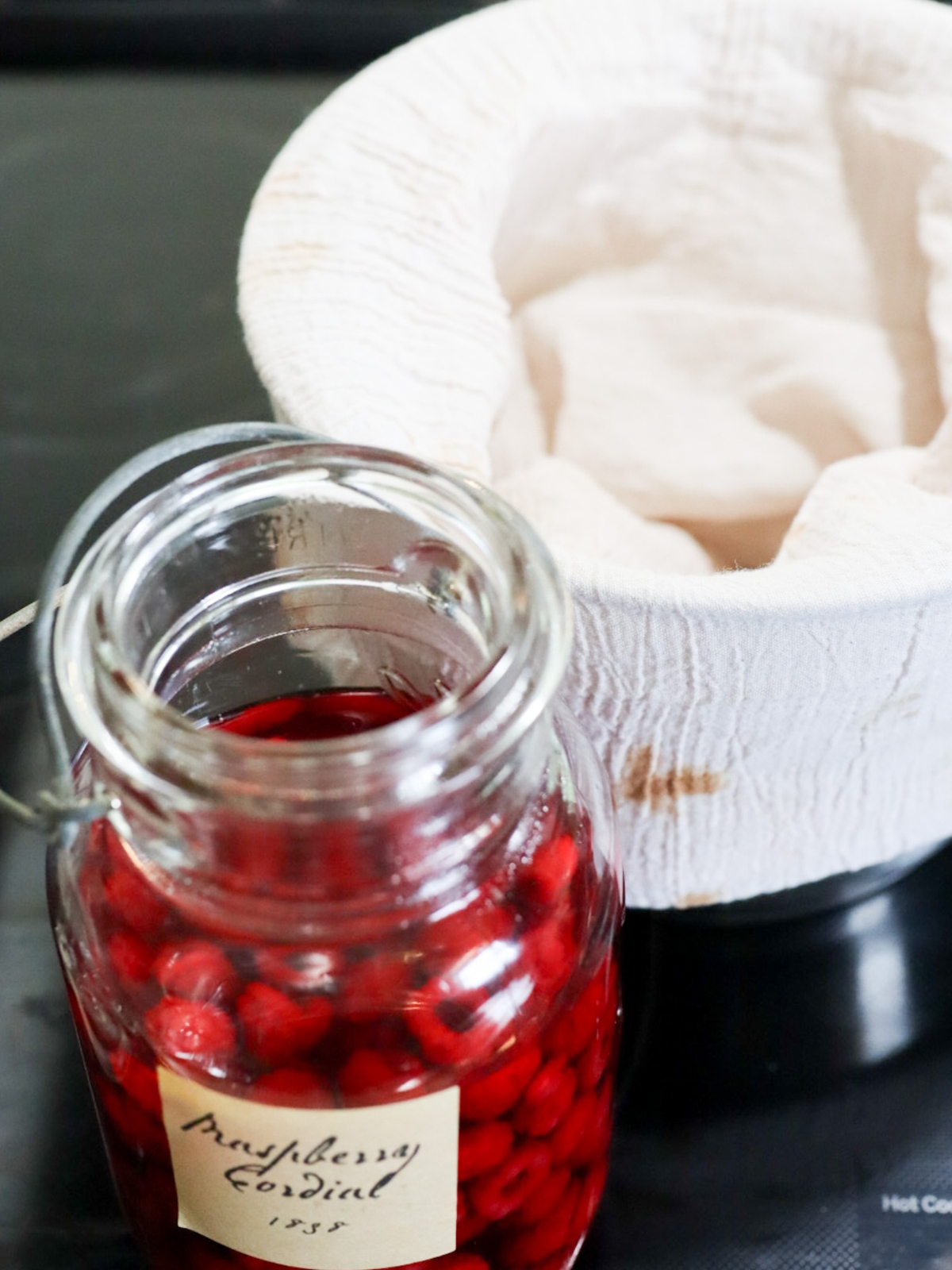
Straining
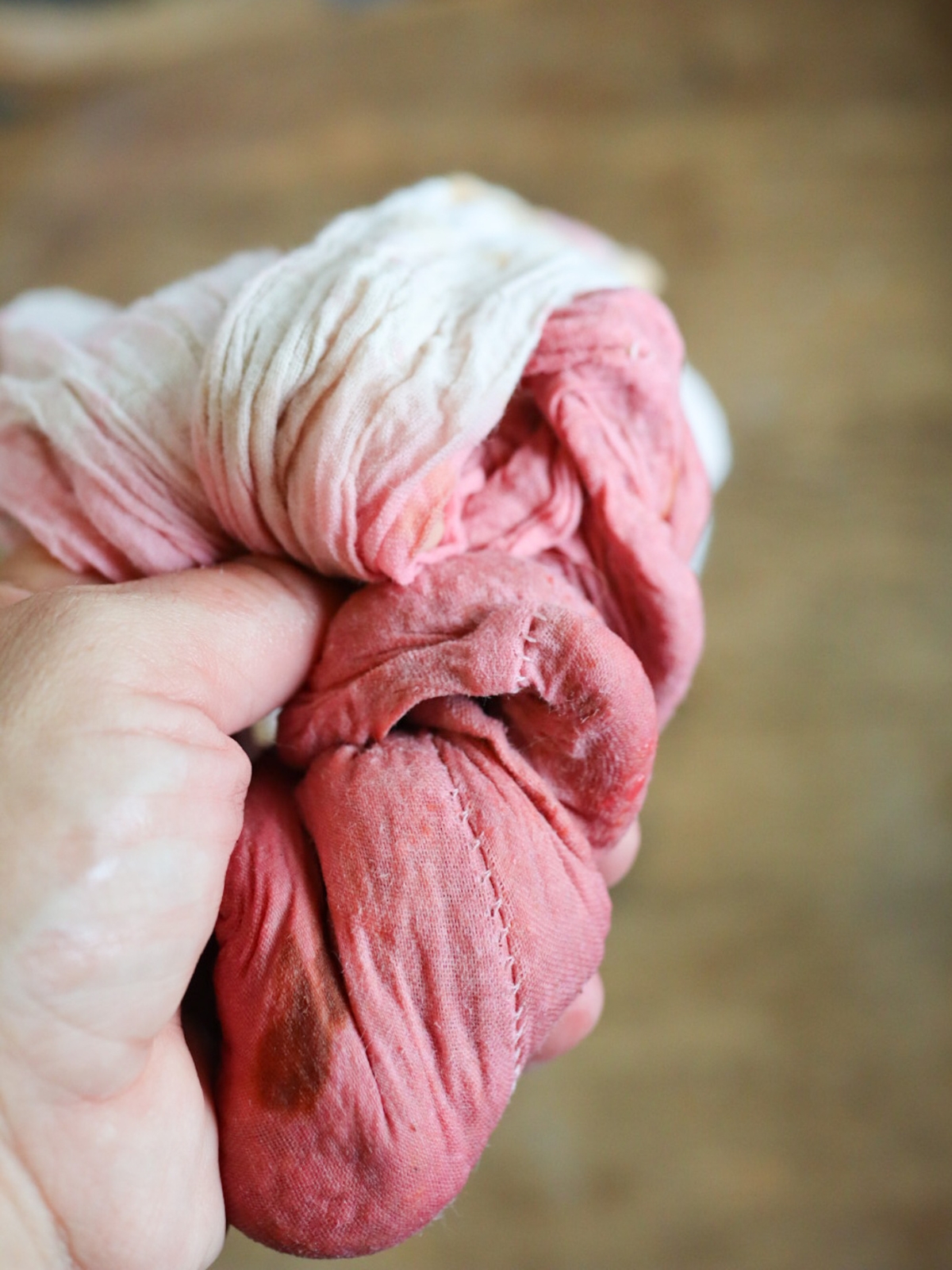
This sat for a full 7 days, and when the time came to strain it, I reached for a jelly bag, rather than a strainer. I find that, at least with the strainers I own, the end result tends to be more clear when putting berries through the jelly bag.
If you don’t have jelly bags on hand, this is one kitchen upgrade I really do recommend. Having plenty of big, unbleached muslin bags available during food preservation season, is such a help.
Once you’ve used them a few times, they’re going to look stained like mine, and that’s ok! It means they’re being put to work. This is real life, not Pinterest .
A good way to lighten those stains without using bleach, is to hang them in full sun to dry after being washed. The last thing you want is for your jelly bags to impart unwanted flavors to your beautiful jams and cordials!
Adding water
I don’t drink alcohol much at all, so when this recipe said “reduce the strength to your taste with water”, I had to face the fact that I really don’t have much personal taste to rely on.
Was it like adding water to Scotch after you order it “neat”, as way to release those locked in flavors and subtle aromas? A little does it?
I need to find a historic booze expert to advise me on this next time.
What I did, was measure out my raspberry brandy liquid, which came to 19 ounces. I decided to add 4 ounces of water, because 23 is a prime number and I like prime numbers.
Yes. That’s how I decided how much water to add to this. Please feel free to judge me.
If you know your way around the norms of historic alcohol consumption more than I do, and want to chime in with your suggestions, I’d welcome them! At some point I need to do a deep dive into this, but right now 1800’s invalid cookery has my attention, and is leading me down all the rabbit holes.
The powdered loaf sugar
This was good sugar, bought in a hard loaf, that you’d then grate off into a fine, granular powder. Unbleached granulated cane sugar works well here.
Now, you’re not going to end up with exactly a gallon of liquid. That’s a really big batch.
Here’s the math you need, to figure out how much sugar to put in:
Take the volume of your strained liquid including the added water, in ounces. Then multiply that by .125. This will give you the number of ounces of sugar you need to add.
We get there by dividing 16 ounces (that pound of sugar), by 128 (the ounces in that gallon)
You can tell, this is not a very sweet cordial. It really lets the raspberry flavor shine through, without being overpowered.
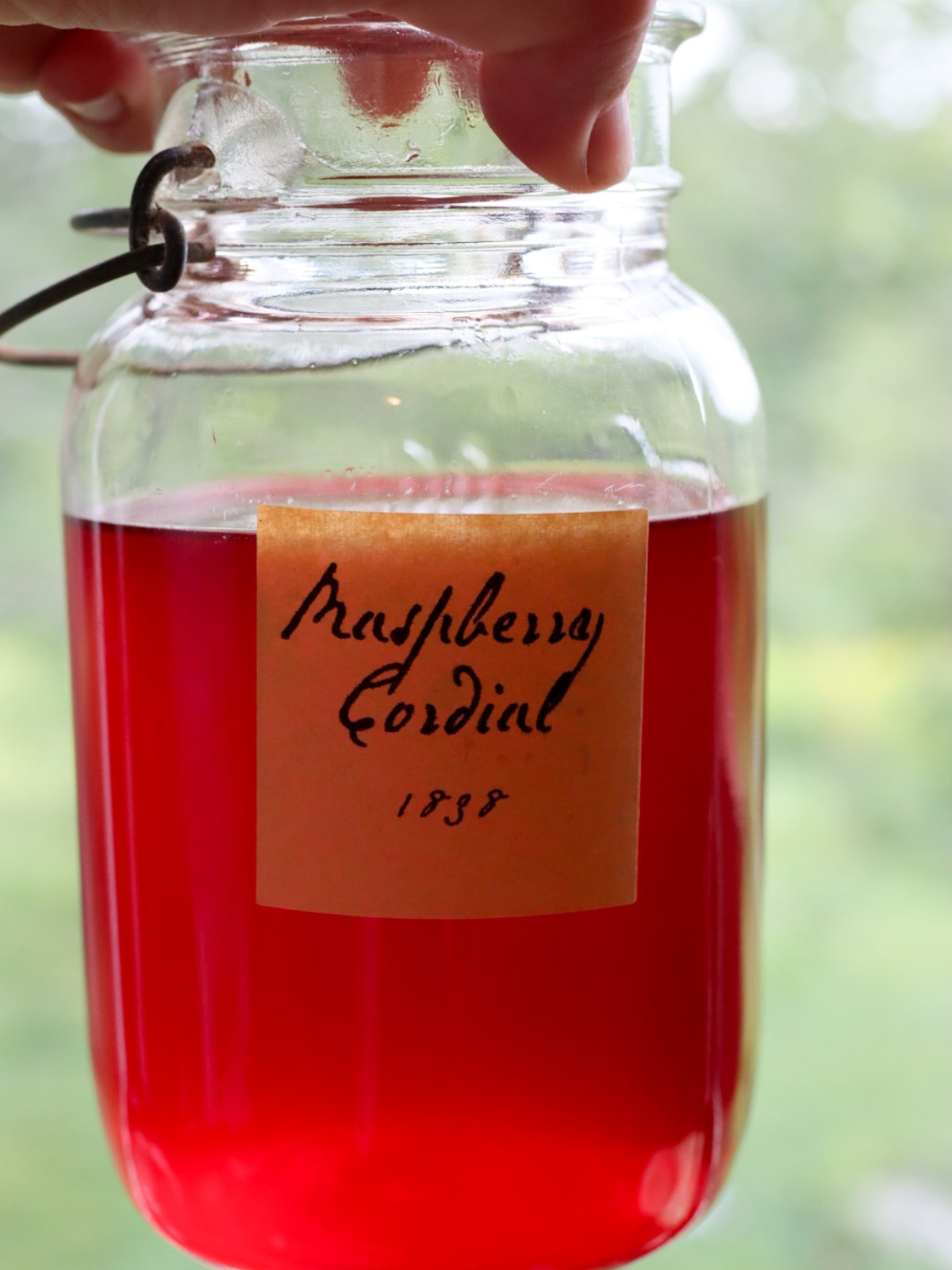
Stand till refined
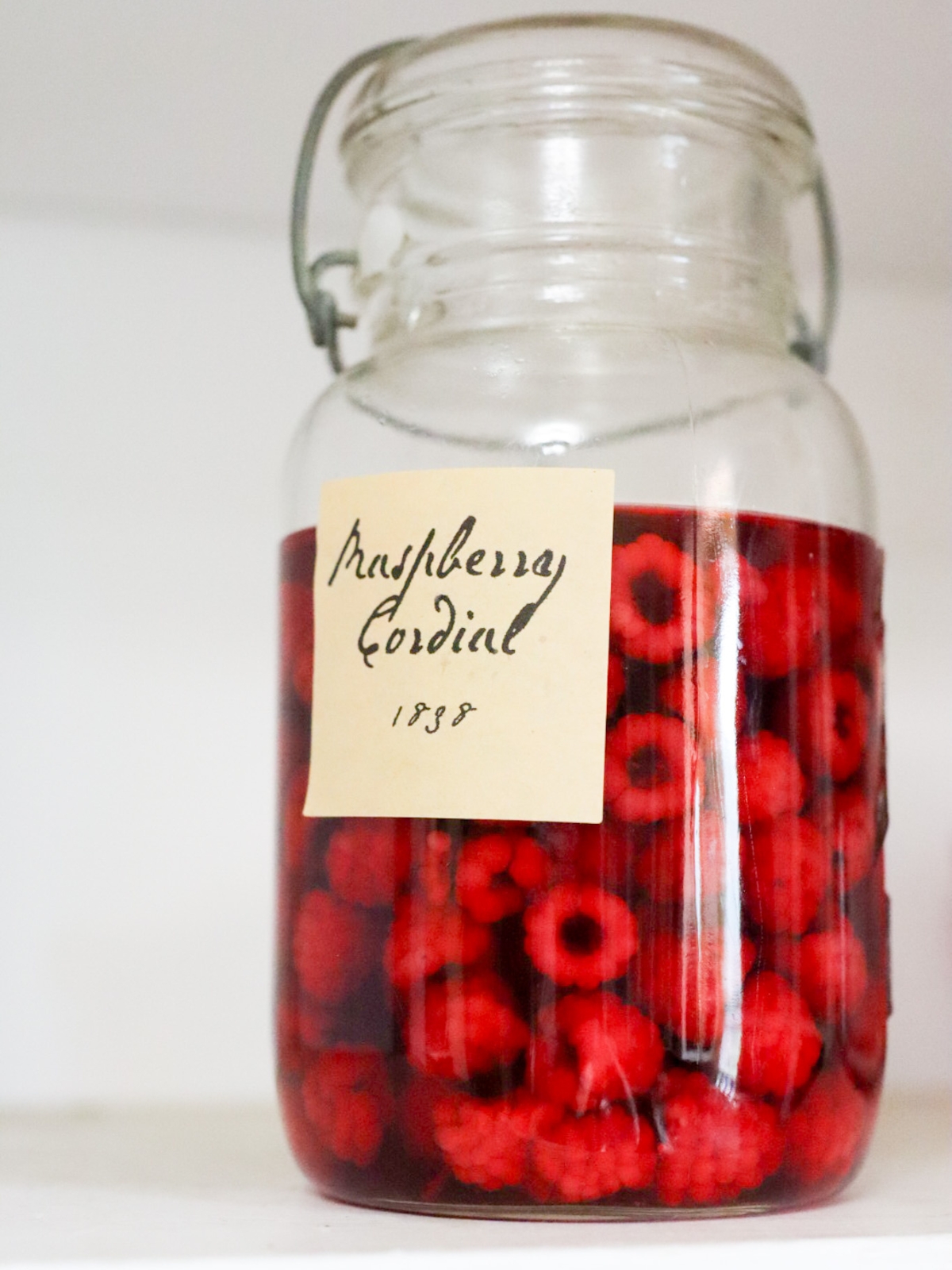
Even if you give it a good stir, that sugar needs time to fully incorporate with the liquid and not settle toward the bottom. After adding the sugar, I closed up the jar and just gave it a little swirl now and again when I happened to think of it.
I found that over the course of two to three days, the cordial became beautifully, perfectly clear, without even a hint of settlings on the bottom of the jar.
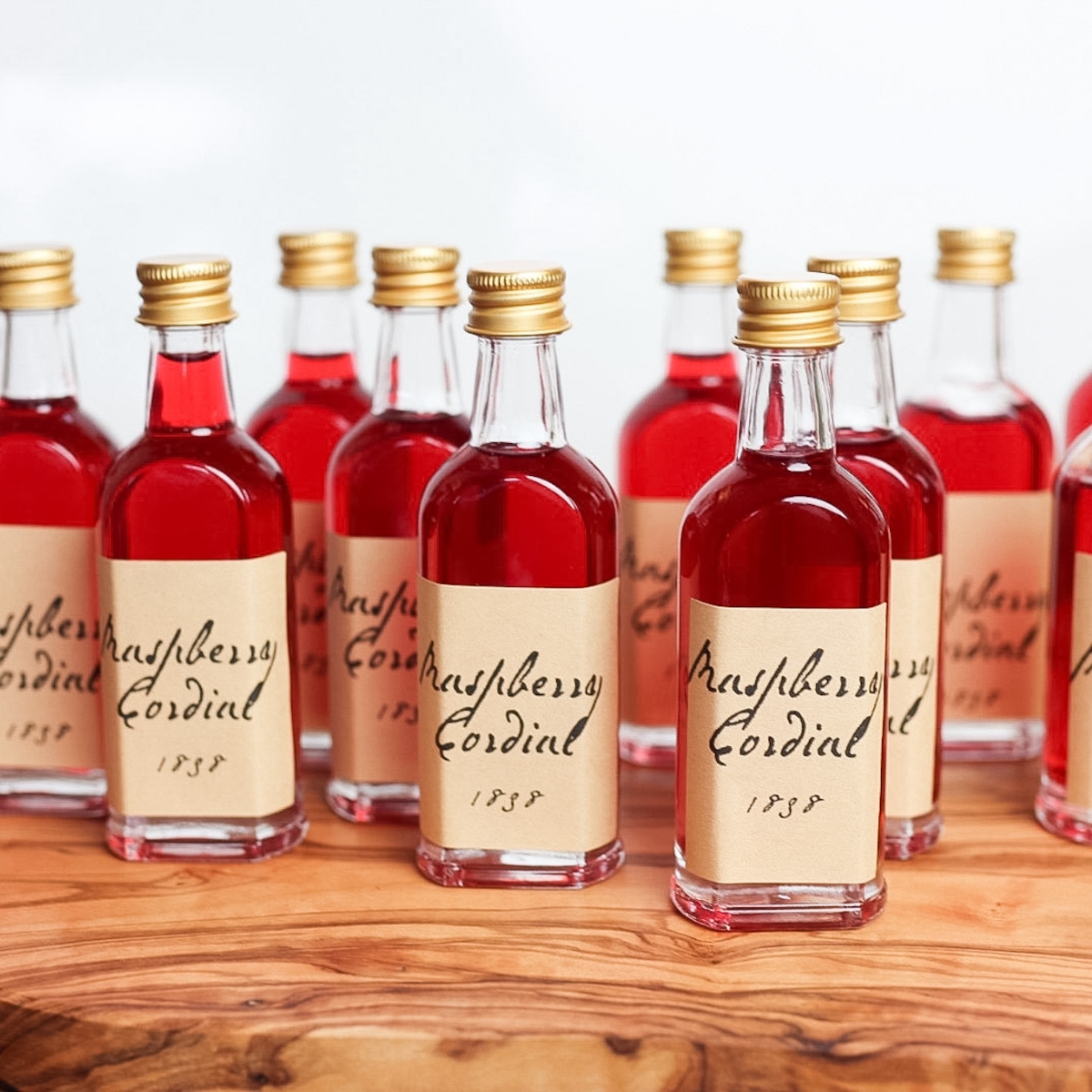
After that, it was time to pour it off into cute little bottles, and label them for gifting!
That’s all there is to this! As far as hands-on effort, the most time consuming part of this whole recipe is picking the raspberries. Its a fun and easy one, and if you give it a go, I’d love to hear how it turns out for you!
I shared a video of bottling this cordial, and in it, I talk a little more about that font you see on all of my labels (it’s based on Abigail Adams’ handwriting, how cool is that?). You can find me trying this video thing over on TikTok, and also on Facebook. Every comment, follow, and share feels encouraging, as I’m figuring out this new skill set!
One question as you go…if you enjoy video content, where do you“hang out”?
Ultimately, the goal is to share the fun of discovering 1800s recipes in whatever way people can best find and enjoy it. So if you have thoughts, please let me know in the comments! I’d appreciate it!
Until next time, ~ Anna
📖 Recipe
Ingredients
- 1 quart fresh ripe raspberries
- 1 quart brandy
- 8 ounces water
- 6 ounces sugar
Instructions
- To each quart of ripe red raspberries, put one quart of best French brandy;
- let it remain about a week, then strain it through a sieve or bag, pressing out all the liquid;
- when you have got as much as you want, reduce the strength to your taste with water, and put a pound of powdered loaf sugar to each gallon–let it stand till refined.
- Strawberry cordial is made the same way. It destroys the flavour of these fruits to put them on the fire.
Some other summertime recipes you might enjoy:
Comments
No Comments