
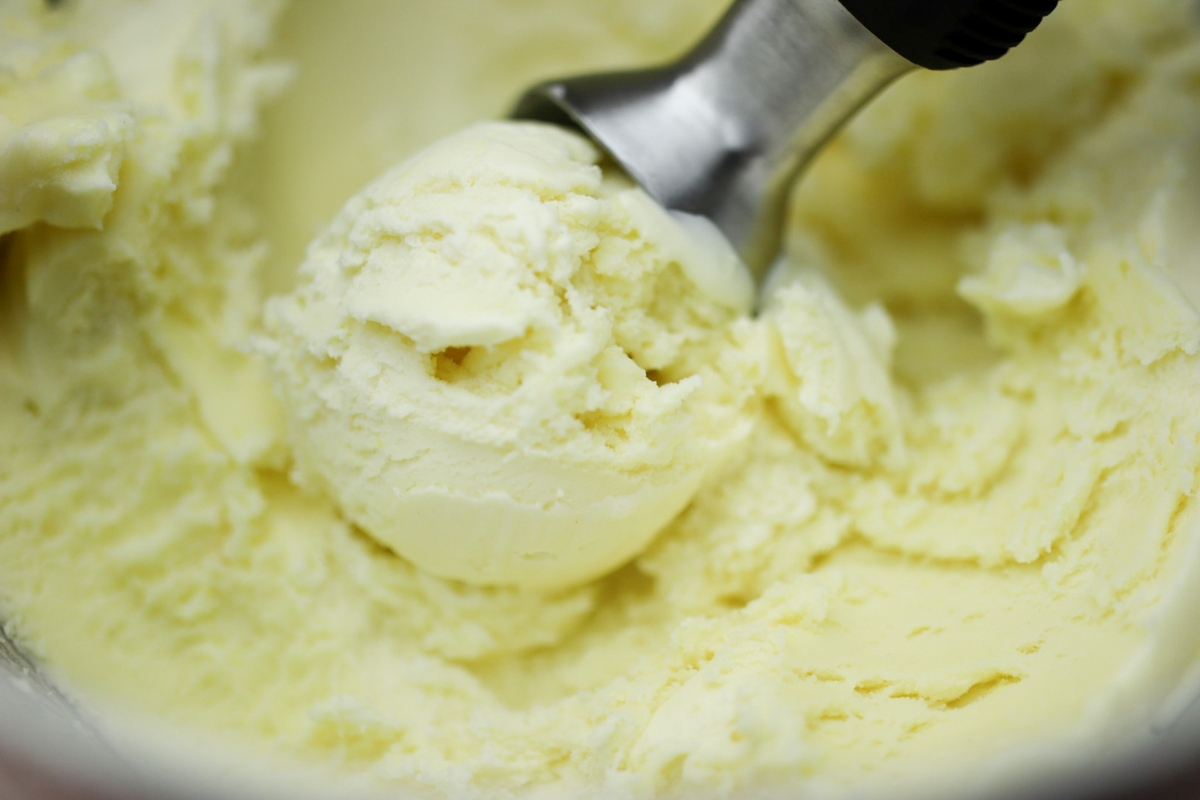
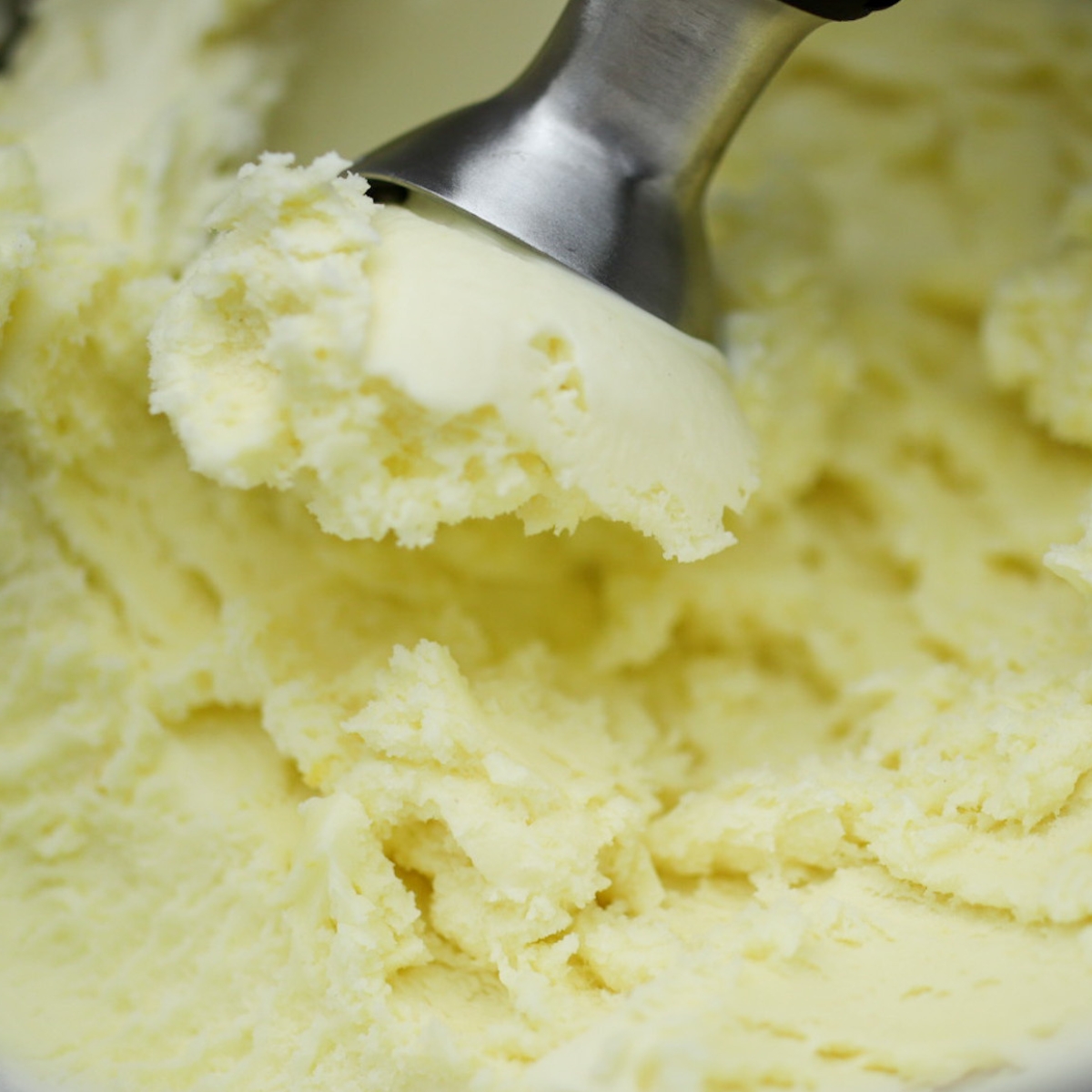
Smooth and creamy, this old fashioned ice cream is perfect for summer parties.
Dear friends ~
I’ve received a few emails looking for historic ice cream recipes lately, so I’m excited to share this one with you. My kids have been faithful taste testers for many a batch of ice cream over the years, but the excitement over tasting a new recipe never gets old.
When I first tried this recipe, and finally declared it frozen enough to taste, they dipped their waiting spoons in for a first sample, and both immediately agreed it was the best we’ve ever made.
They felt the same way after it had frozen up to perfection, and remained adamant on the point as we polished off leftovers over the next two days. (Thankful for modern freezers, this makes a big batch!)
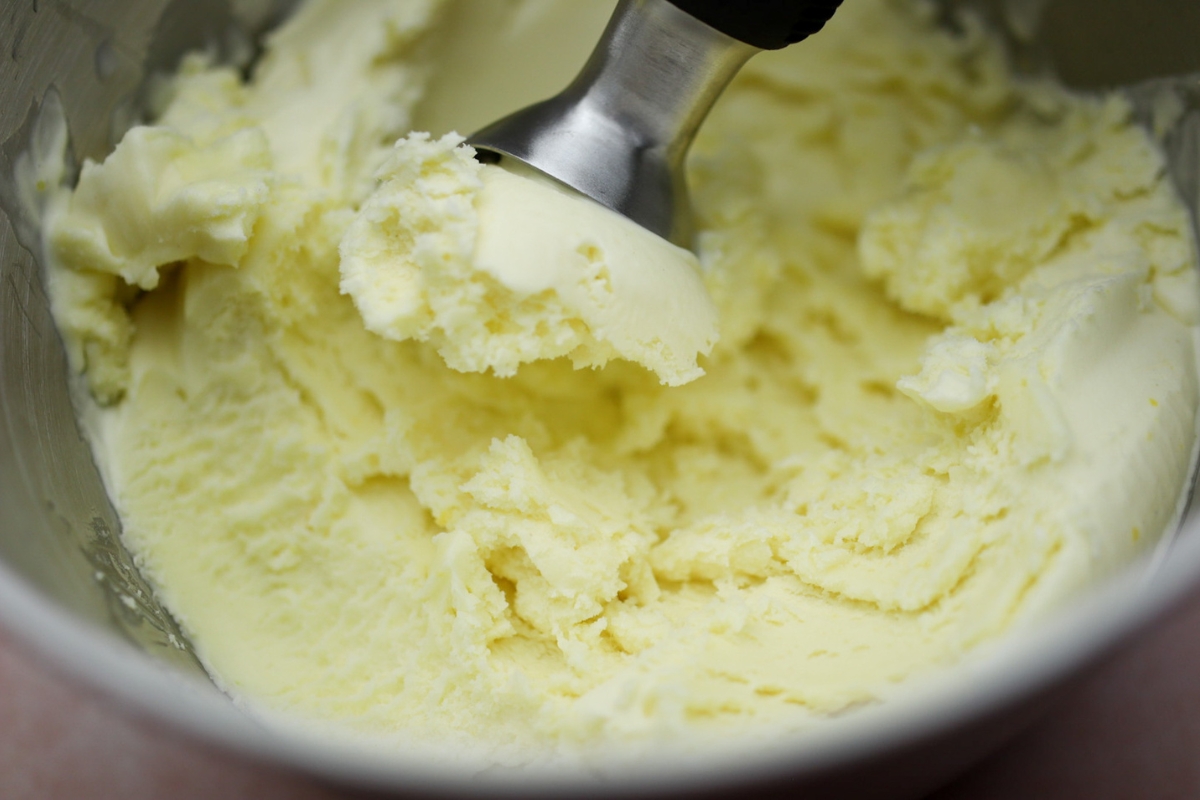
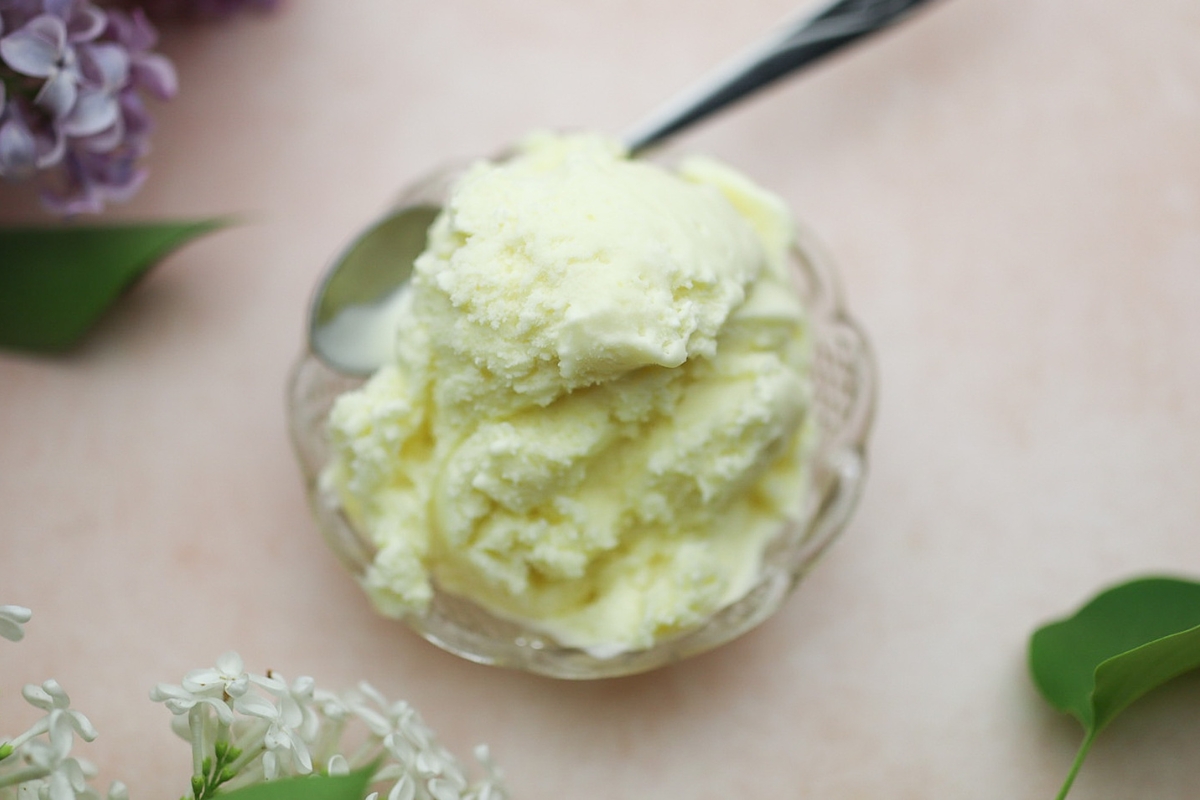
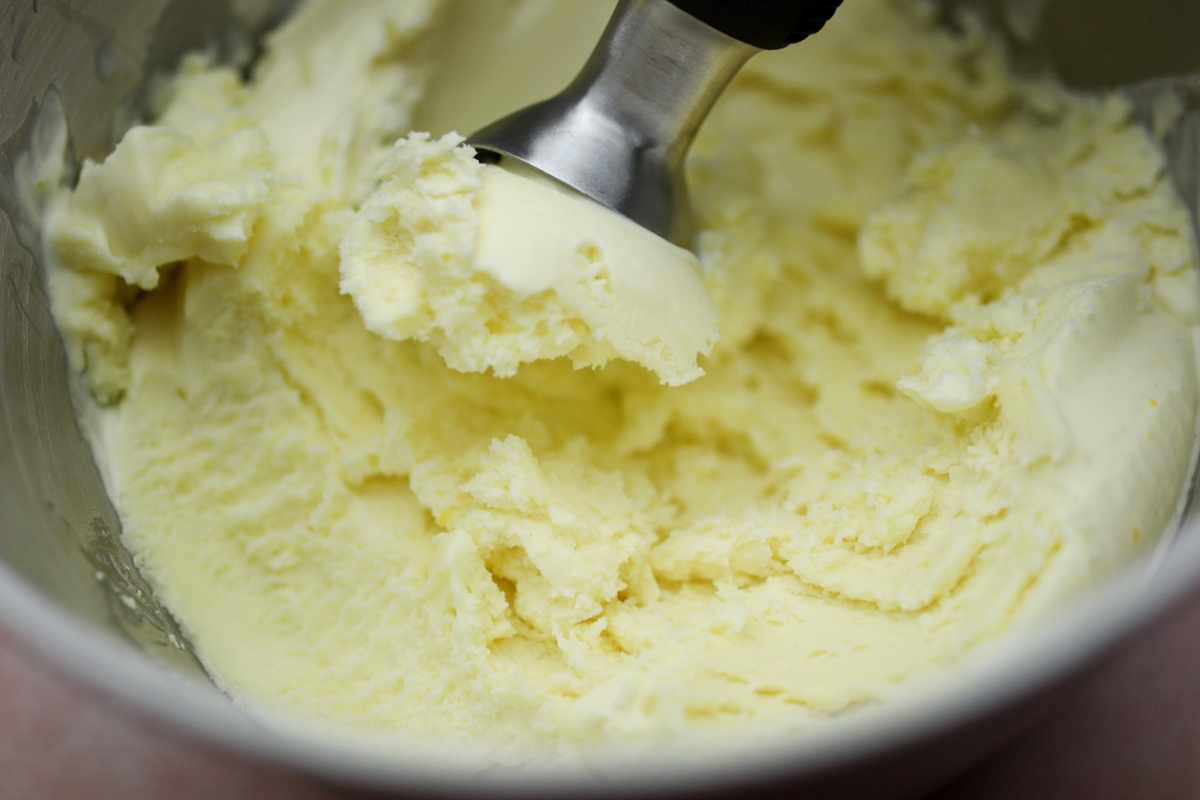
As a modern side note, that really is one of the ways this recipe shines. Homemade ice cream can sometimes be difficult to scoop smoothly, after it’s spent some time being stored in the freezer. This recipe results in an ice cream that scoops smoothly, and beautifully, even after a couple days of sitting frozen.
If you’re looking to do this the historic way though, invite friends over, have plenty of fresh strawberries, sandwiches, and lemonade on hand, and eat it all up while it’s freshly churned! June is such a joyful time for getting together with friends, isn’t it?
~ Anna
Miss Parloa’s New Cook Book, 1881
VANILLA ICE CREAM
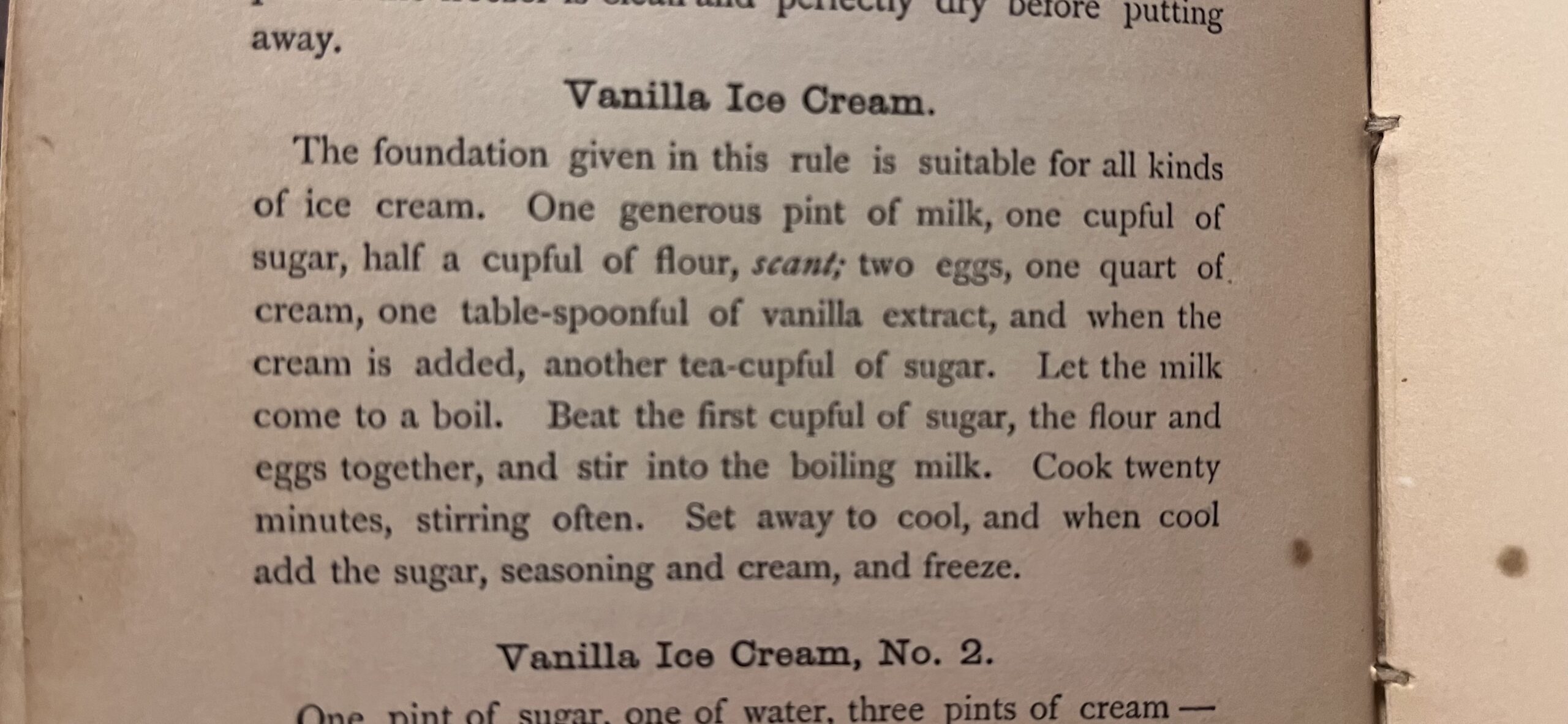
The foundation given in the rule is suitable for all kinds of ice cream. One generous pint of milk, one cupful of sugar, half a cupful of flour, scant; two eggs, one quart of cream, one table-spoonful of vanilla extract, and when the cream is added, another tea-cupful of sugar. Let the milk come to a boil. Beat the first cupful of sugar, the flour and eggs together, and stir into the boiling milk. Cook twenty minutes, stirring often. Set away to cool, and when cool, add the sugar, seasoning and cream, and freeze.
Here’s a photo of the recipe as it appears in the cookbook:
A FEW COOKING NOTES:
This is a simple ice cream recipe, so I don’t have too many cooking notes today.
Boiling the milk
It was pretty common in custard-type recipes of the era to start by boiling the milk before adding the other ingredients. Don’t feel you need to hold the milk at a boil, just bring it to a simmer, and then go ahead and add the sugar, flour, and egg mixture.
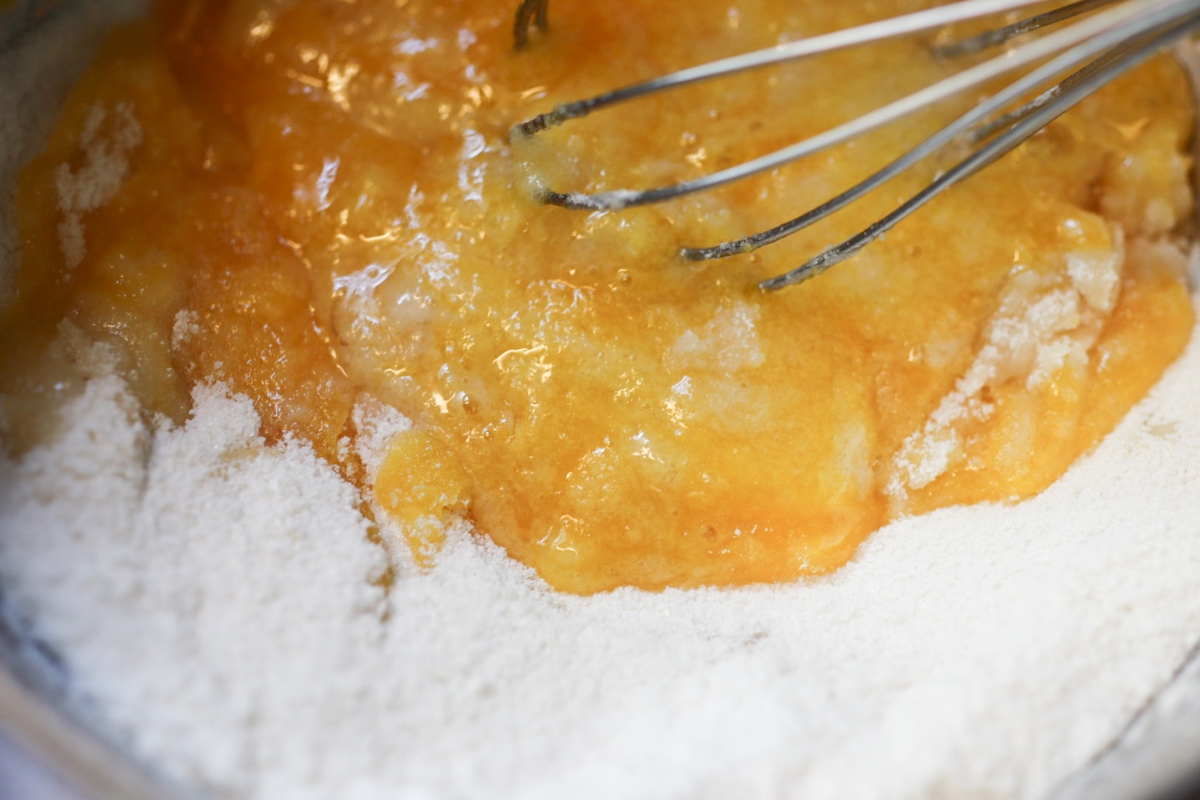
If you have a second person handy, it can be helpful to have one person scrape the sugar mixture into the milk pan, while the other whisks it in. If you don’t have help, I find it works best to add the mixture a bit at a time, whisking in between, until all of the sugar, flour, and egg mixture is thoroughly whisked into the milk.
Those 20 minutes of cook time
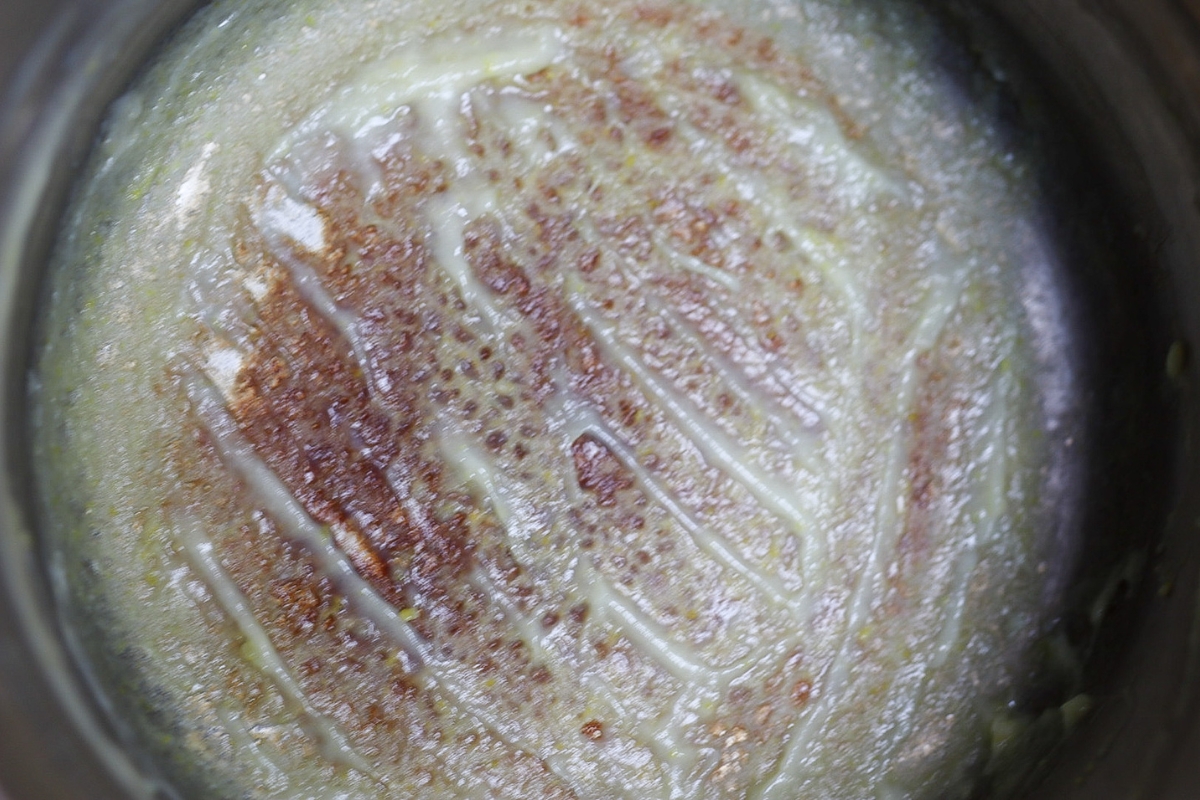
You’re going to want to use a burner that’s able to maintain a fairly low heat. If this boils full speed ahead for 20 minutes, it will stick on the bottom of your pan, no matter how vigilantly you stir.
A slow simmer is just right, and when she says “stirring often”, she means it. Don’t walk away, you’re going to want to babysit this pretty closely to make sure it’s not starting to stick on the bottom. This is honestly the hardest part of the whole recipe, and I promise it’s worth it. I’ve made this recipe a few times now, and can testify that fastidious stirring at this stage really does come through in the perfect creaminess of the final result.
To speed up the cooling process once that 20 minute timer finally goes off, I like to scrape the hot custard base into a large metal bowl, and put the whole thing in the fridge. It cools faster if the pan doesn’t have to cool down as well.
If you want to be strictly historical, you can just set this on a counter to cool down. By the 1880s though, it was increasingly common for people to have iceboxes or “refrigerators” (they’d come to be exclusively called iceboxes later, to differentiate them from the new electric refrigerators). So it wouldn’t be a total anachronism here to rush the cooling process. I’ve seen at least one contemporary ice cream recipe that suggests cooling the base in your icebox or setting it in ice to cool more quickly.
Bring out the good vanilla for this one
If you’re asking yourself if this is the time to bring out the good bourbon vanilla you’ve had stashed in the back of the pantry since Christmas…yes. Yes it is.
I know vanilla is expensive right now. Go without vanilla in your cookies and cakes if you must…they’ll be fine. But this ice cream will make every drop of that tablespoonful of good vanilla absolutely shine. This isn’t the place to scrimp.
Making this in a modern ice cream maker
I have to confess to you that I’ve put off sharing 1800s ice cream recipes for a long time, because it just hasn’t been in the budget to spring for an antique ice cream maker off eBay.
Gosh, it sounds silly when I come out and put it in writing like that.
How many times have I urged you all to just “try this recipe! Use what you already have! It’s ok if you don’t have that antique pan, sieve, or whatever. Just make it with what you’ve got!”
What I have, is a faithful old Cuisinart 2 quart ice cream maker, that’s logged a lot of hours churning up cold summer happiness for two grateful kiddos. Chances are, something like this is what most of you have available as well.
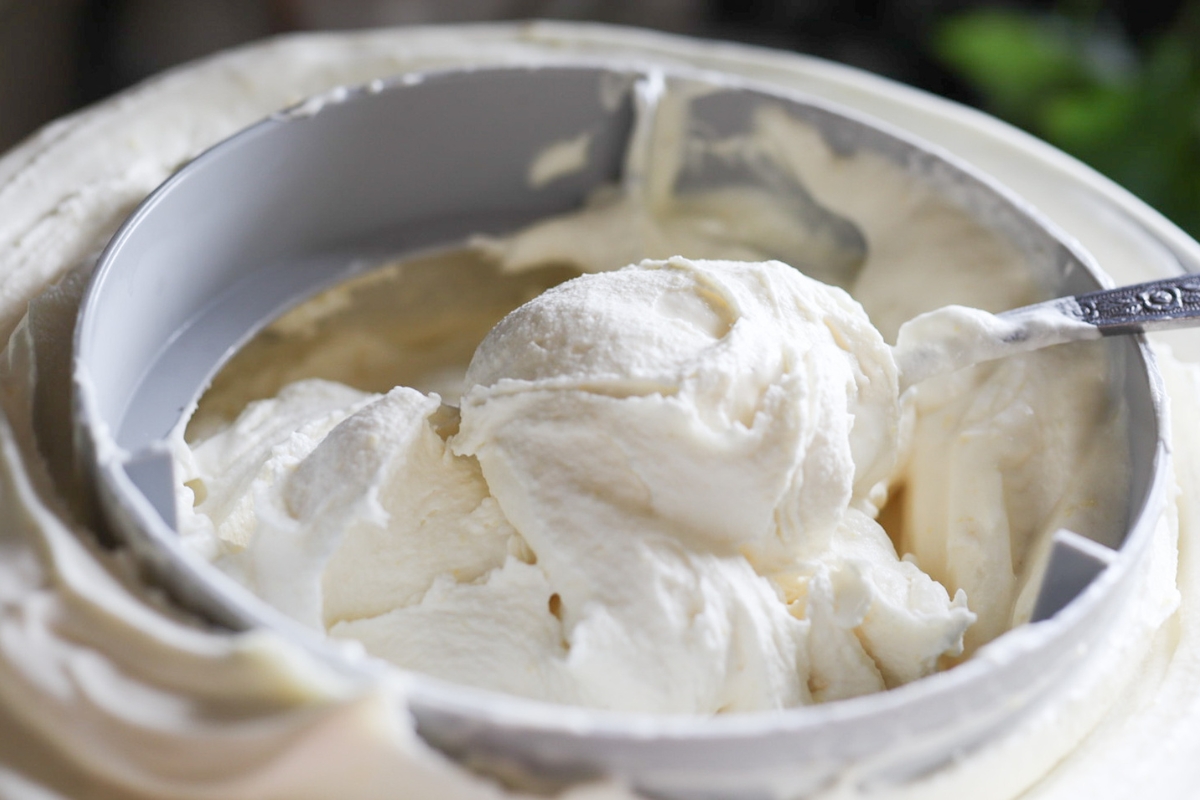
If that’s what you’re working with, the biggest thing to keep in mind here is that this recipe won’t fit in a 2 quart ice cream maker, once it’s frozen. You don’t want to put more than ¾ of the batch into the ice cream maker, or you’ll end up with an overflow mess.
Our way around this is to churn up ¾ of the batch (this takes about 26 minutes in our machine). Then I dish up a round of ice cream cones for everyone, right from the ice cream maker. In goes the remaining ¼ of the ice cream base, and I set it to churn for another 20 minutes. It all comes out perfectly.
The custard base also stores just fine in the fridge for a couple days, so you could churn half the batch today, and churn the other half in a day or two, once your canister re-freezes.
Making this in an antique ice cream churn
Aside from the serving suggestion of eating it hot with butter for breakfast or tea, this cake also makes a wonderful base for shortcakes. Paired with whipped cream and berries of any kind, it’s divine.
It also toasts up beautifully, if you’ve got a toaster oven. If you’re lucky enough to have any leftover the next day, toasting or grilling it like a muffin is absolutely something you have to try.
Can you tell we love this cake?
I hope your summer is off to a good start! It’s been a pretty rainy one so far here in Maine, but I’m grateful for it, and so is my garden. The raspberries will be starting to ripen in just a few weeks, and I can hardly wait. So much to look forward to this time of year!
Until next time, ~ Anna
📖 Recipe
Ingredients
- 1 pint milk
- 1 cup sugar
- ½ cup flour scant
- 2 eggs
- 1 quart cream
- 1 tablespoon vanilla extract
- 1 cup sugar
Instructions
- The foundation given in the rule is suitable for all kinds of ice cream.
- One generous pint of milk, one cupful of sugar, half a cupful of flour, scant; two eggs, one quart of cream, one table-spoonful of vanilla extract, and when the cream is added, another tea-cupful of sugar.
- Let the milk come to a boil.
- Beat the first cupful of sugar, the flour and eggs together, and stir into the boiling milk.
- Cook twenty minutes, stirring often.
- Set away to cool,
- and when cool, add the sugar, seasoning and cream,
- and freeze.
Some other summertime recipes you might enjoy:

Comments
No Comments