
Hello friends! What I’m sharing today is something totally different than the usual recipe, recreated from the pages of a published 19th century cook book.
This is something I’ve been wanting to share with you for a while. Below, I’m sharing the full text of a small treasure that I became the caretaker of, quite a few years ago. This tiny little manuscript cook book came to me from an estate right here in Maine, so it’s extra dear to my heart!
It’s a volume that, to me, seems to date from the mid to late 1800s. (As I share each page, I’ll point out the clues that lead me to this conclusion.)
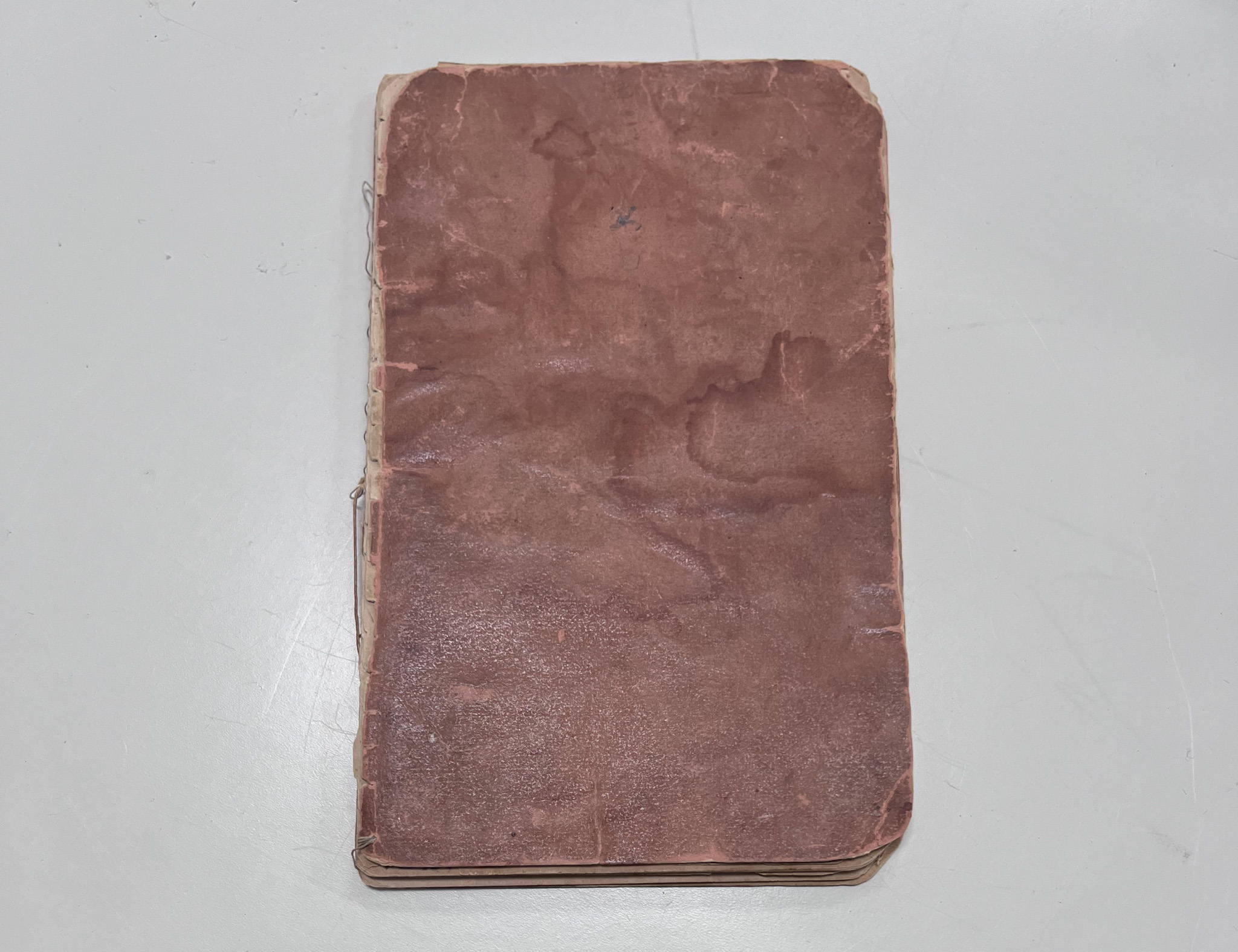
The first clue of course, is the book itself. The small brown card-covered volume is of a type common during that era, and the cotton stitching would be consistent with that dating.
Now, before I jump in with the photos, I’d love to ask for your help.
A reason I’ve held off sharing this, is because I wanted to type up a tidy transcription of each recipe, on each page, to make it more accessible for those with impaired eyesight, and folks who may not feel confident reading older handwriting.
Over the last couple of weeks, I’ve dealt with everything from rabies vaccines to a rock through my windshield, to a phone catching on fire, to multiple appliances taking early retirement, and a kid breaking his toe. We’re honestly all fine here, but what this season has reminded me is that there’s never extra time. I’m a solo parent raising two busy kids, and I need to remember that we have community for a reason!
SO, would you all like to help me transcribe this darling little manuscript?
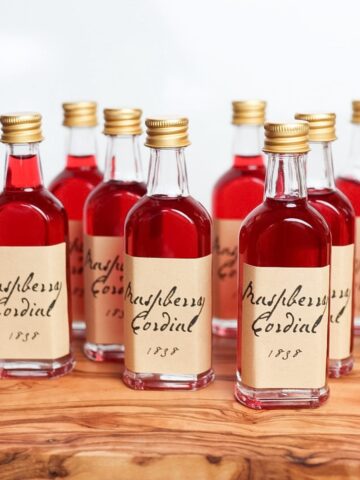
Let’s make a community project of it! To make it even more fun, I’m going to offer an 1800s copy of Miss Neil’s Every Day Cook Book to one contributor who helps with the transcription effort. (Send me proof you’re over 21, and I’ll even include a bottle of that delicious Raspberry Cordial we made this summer!)
How to do this:
- Check the comments below to see what recipes have already been transcribed.
- Choose one that still needs to be done, and write out the recipe from the photo.
- Copy your transcription into a comment right on this page, along with the name of the recipe and the page number it’s from. Please include your email address on your comment submission (it’s only visible to me from the back end, not everyone viewing the site). This is how I’ll contact you if you win!
On October 1, I’ll randomly select one comment as the winning entry. Please transcribe as many recipes as you like. Put them in separate comments so that each recipe counts as an entry. The more recipes, the more entries! Make sense? Sound like fun? I hope so!
I’ll update the site as we go, so that the transcribed recipes will sit beneath each photographed page, making our community manuscript cook book project as easy to read as possible, for anyone to enjoy. Thanks in advance for your help on this!
No more blathering from me, here’s our little Maine manuscript cook book!
Copyright The 1800s Housewife, All Rights Reserved.
Copyright The 1800s Housewife. All Rights Reserved.
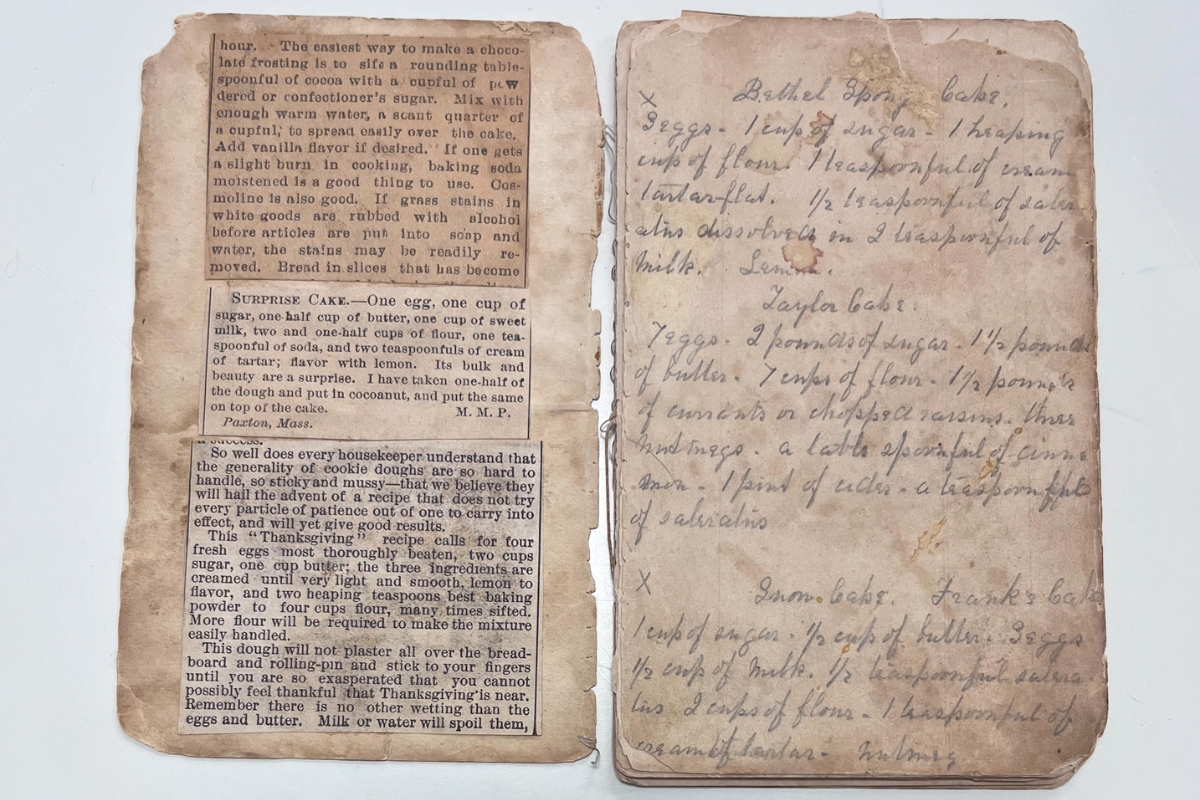
See that recipe for “Bethel Sponge Cake”? That’s not cake name you commonly see. This book came from a Maine estate, and the town of Bethel is just 30 minutes from me. My hunch is that this was a recipe known locally by connection with that town.
Copyright The 1800s Housewife. All Rights Reserved.
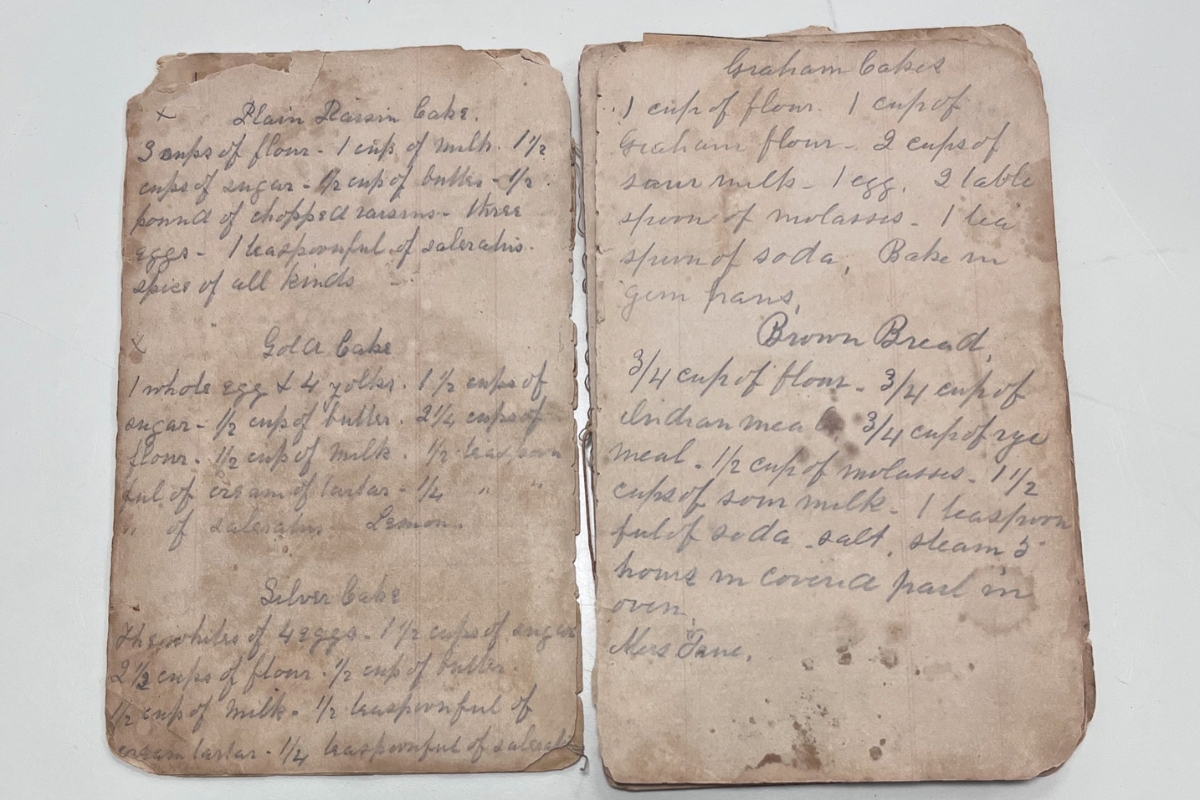
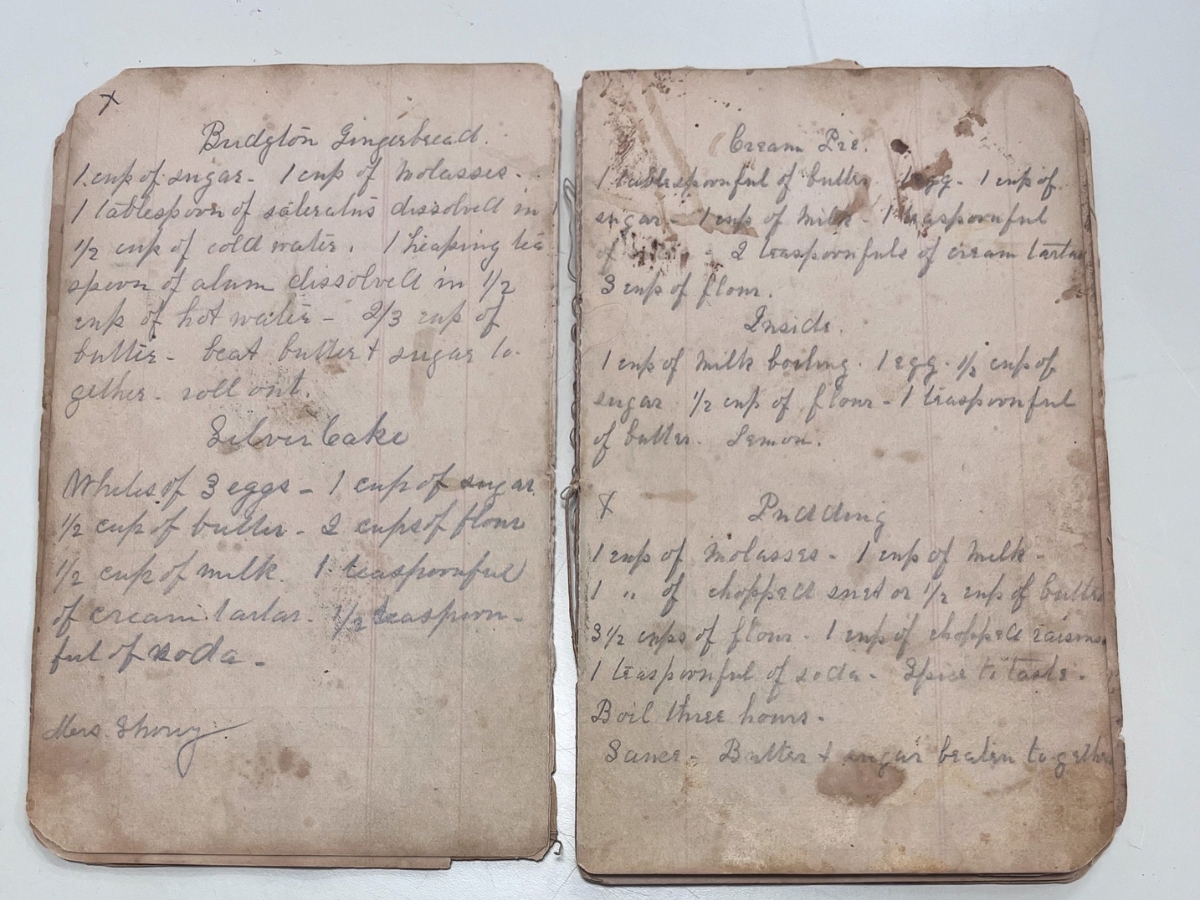
Gold cake and silver cake recipes almost always appeared one after the other, in 1800s cook books.
Copyright The 1800s Housewife. All Rights Reserved.
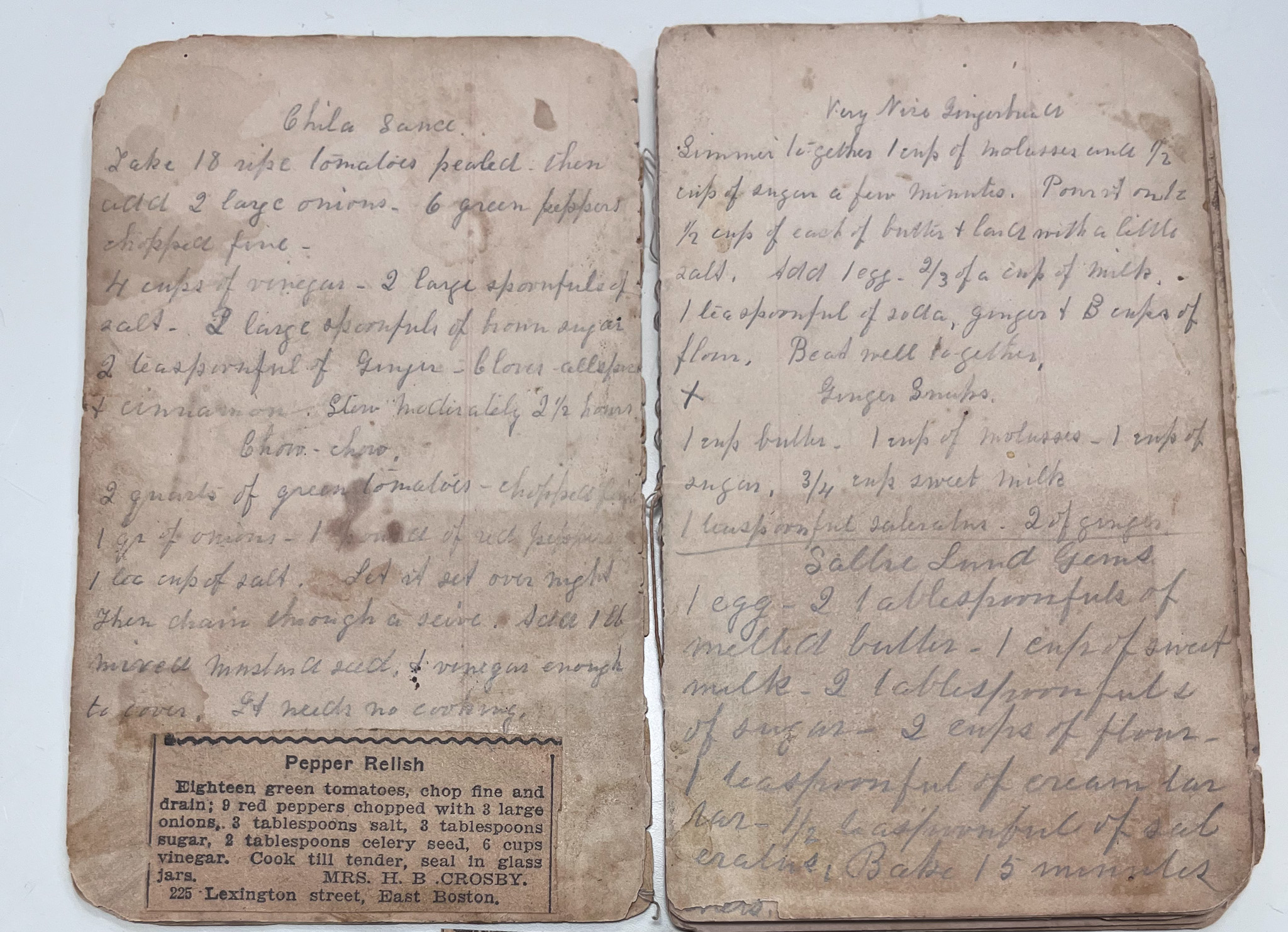
Throughout the book are clippings that are pasted right over earlier pencil-written recipes. My guess is that these were pasted in some time later, perhaps as much as a few decades after the original writing. Again, I’m not an authority, this is my personal guess.
There appears to have been a Mrs. H. B. Crosby living on Lexington Street, mentioned in a 1919 publication. The original writing, receipts, and paper seem older than that to me, but this would be consistent with more recent marginalia being pasted in, over time.
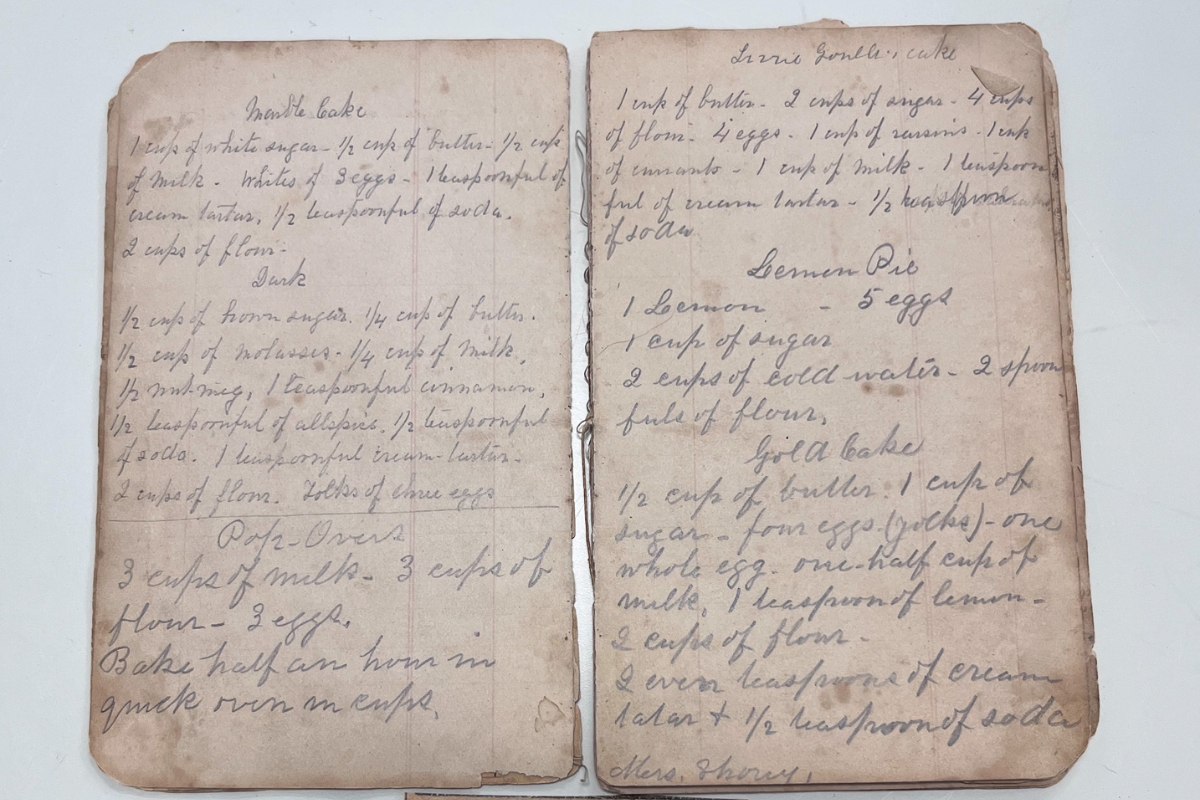
Copyright The 1800s Housewife. All Rights Reserved.
Copyright The 1800s Housewife. All Rights Reserved.
See that recipe for Bridgton Gingerbread? This is again, not a widely known cake name, but there does happen to be a town of Bridgton (with that exact spelling), right here in Maine. It’s half an hour from me, in the opposite direction from Bethel.
Copyright The 1800s Housewife. All Rights Reserved.
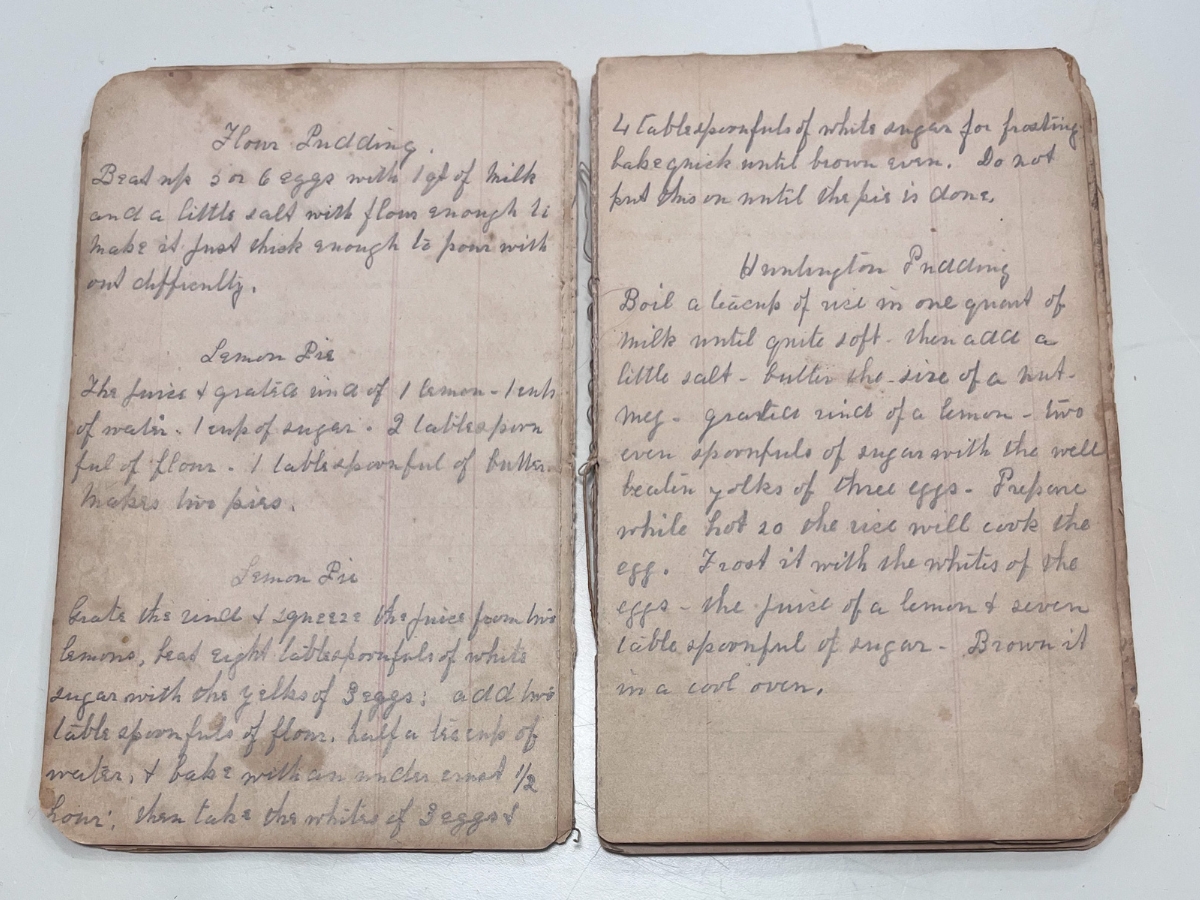
Lemon pies were so very popular in the 1870s through the 90s. When I see a book with multiple lemon pie recipes, my mind immediately suspects that it may originate from those decades.
Copyright The 1800s Housewife. All Rights Reserved.
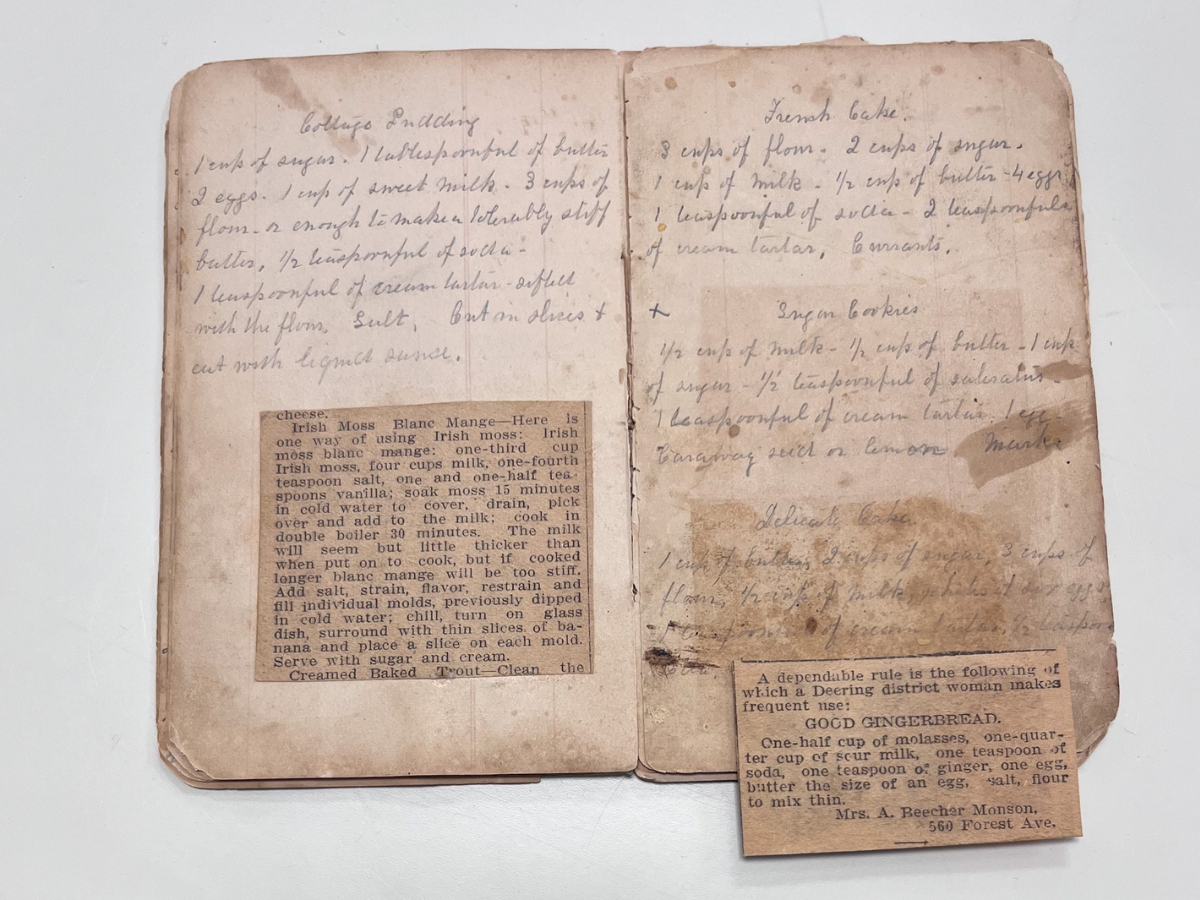
Copyright The 1800s Housewife. All Rights Reserved.
You can see that this recipe for “good gingerbread” was pasted directly on top of the earlier recipe for “delicate cake”. There’s actual paste residue under there, which let go with age, so it’s possible to see both recipes.
Once upon a time though, someone decided that delicate cake recipe wasn’t meant to see the light of day. Don’t you love a “living” volume like this, that clearly changed over time?
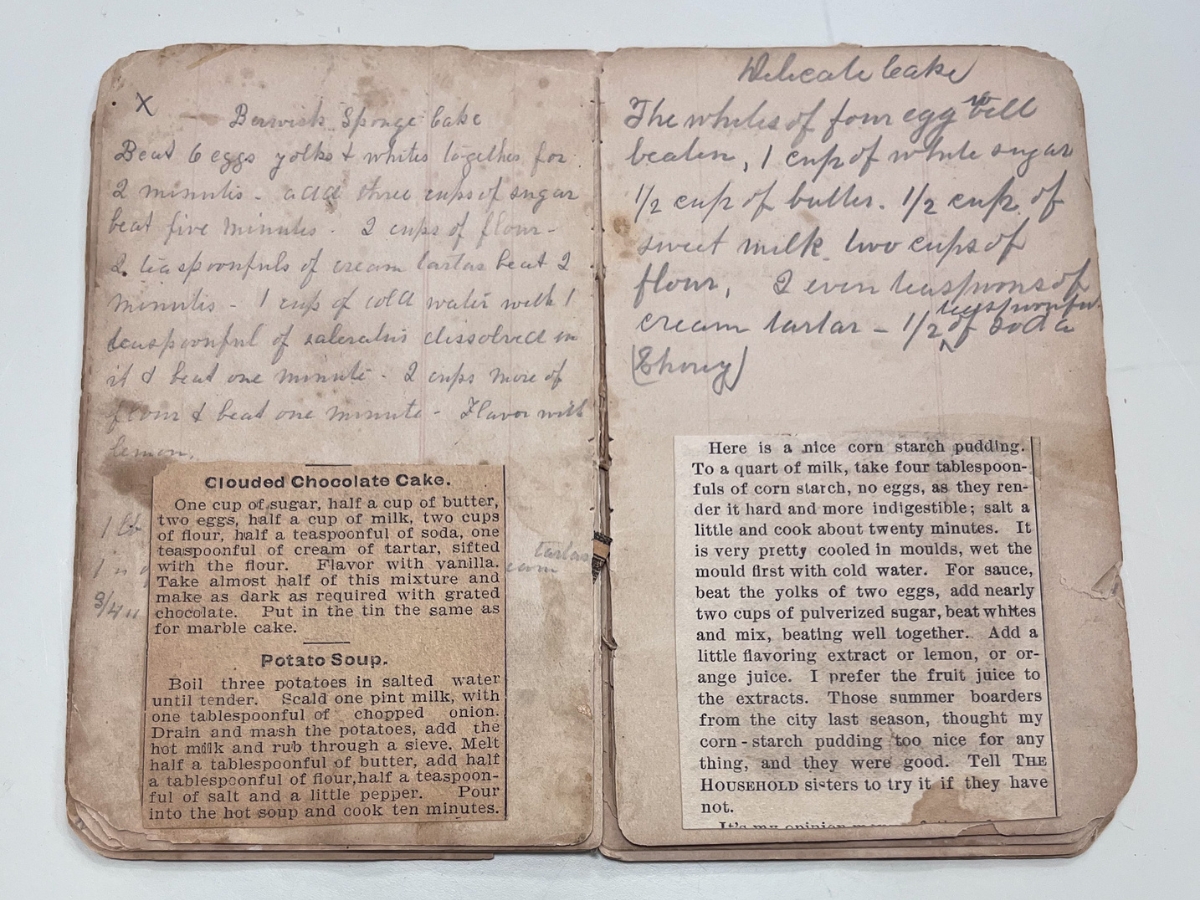
Copyright The 1800s Housewife. All Rights Reserved.
Berwick Sponge Cake. See that recipe up at the top with the “X” next to it? First of all, it’s worth noting that Berwick is a town right here in Maine. Unlike the Bethel Sponge Cake, and Bridgton Gingerbread, this recipe was popularly known through the second half of the 1800s.
This thread on the Civil War Talk forum dates it to 1845. Most of the information there doesn’t link directly to primary sources, so there’s a bit of digging to do for accurately citing this, but it’s a jumping off point.
There’s also an interesting mention of this cake in Kate Wiggin’s 1912 memoir, A Child’s Journey With Dickens. She mentions seeing him on the North Berwick train platform in 1868, as she observed him “wave away laughingly a piece of the famous Berwick sponge cake”.
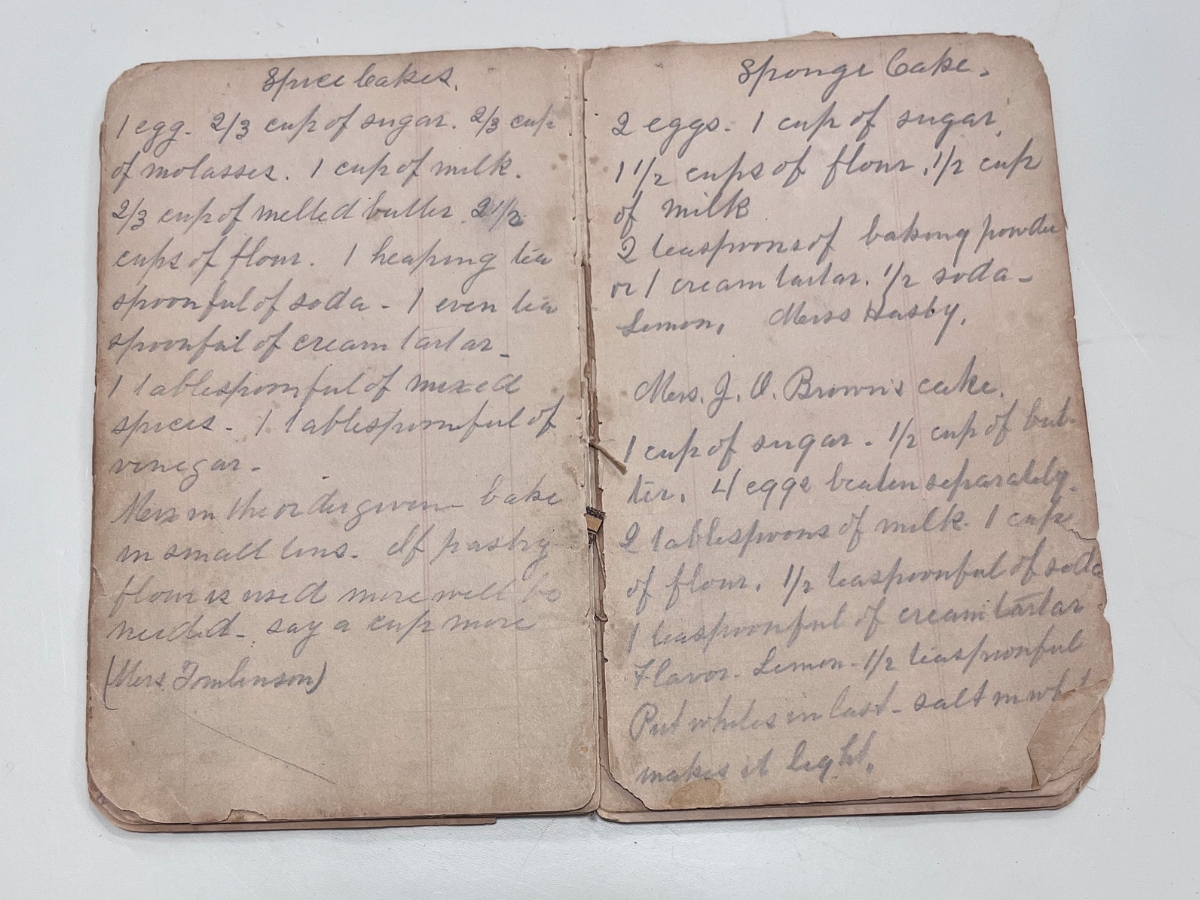
Copyright The 1800s Housewife. All Rights Reserved.
One of these days, I’d love to do a deep dive, and see if I can find any mention of a Mrs. J. A. Brown that could be the one mentioned here.
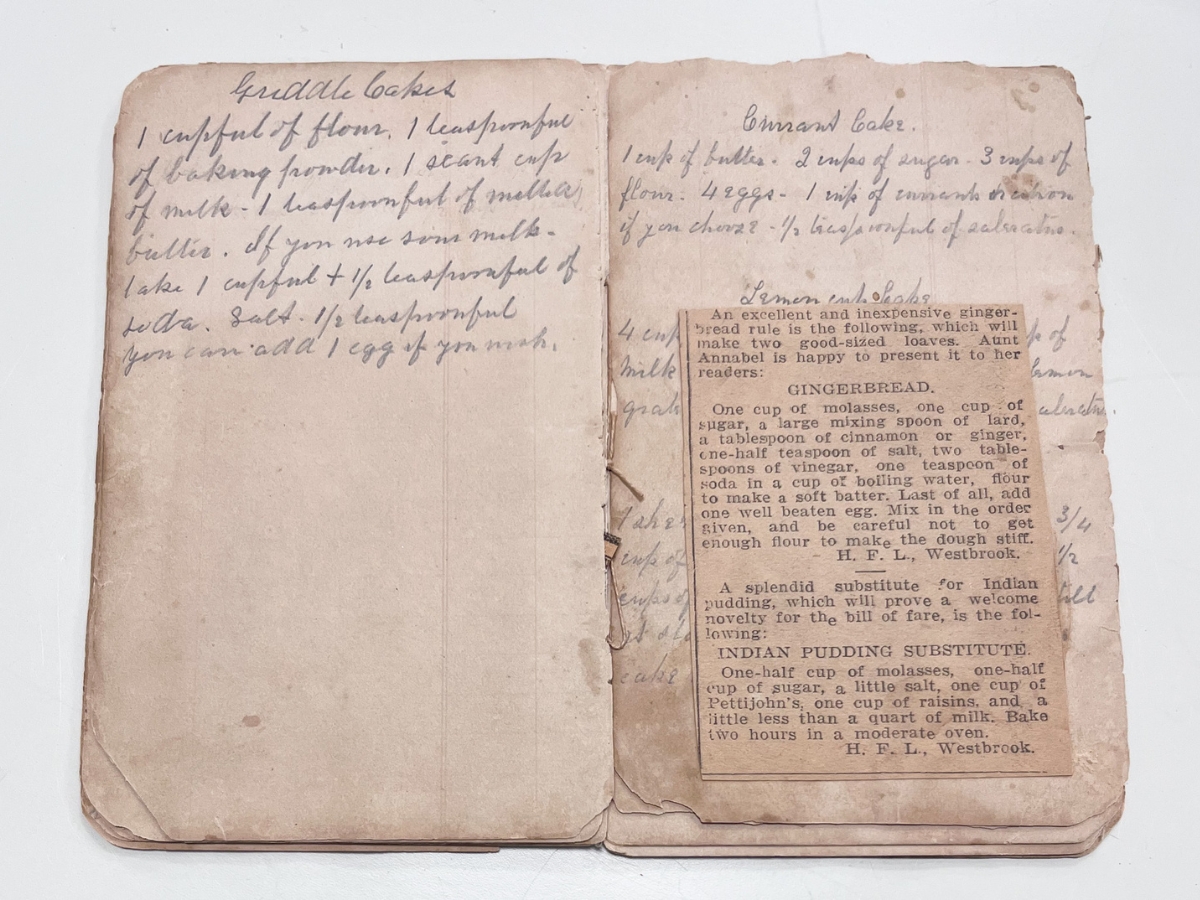
Copyright The 1800s Housewife. All Rights Reserved.
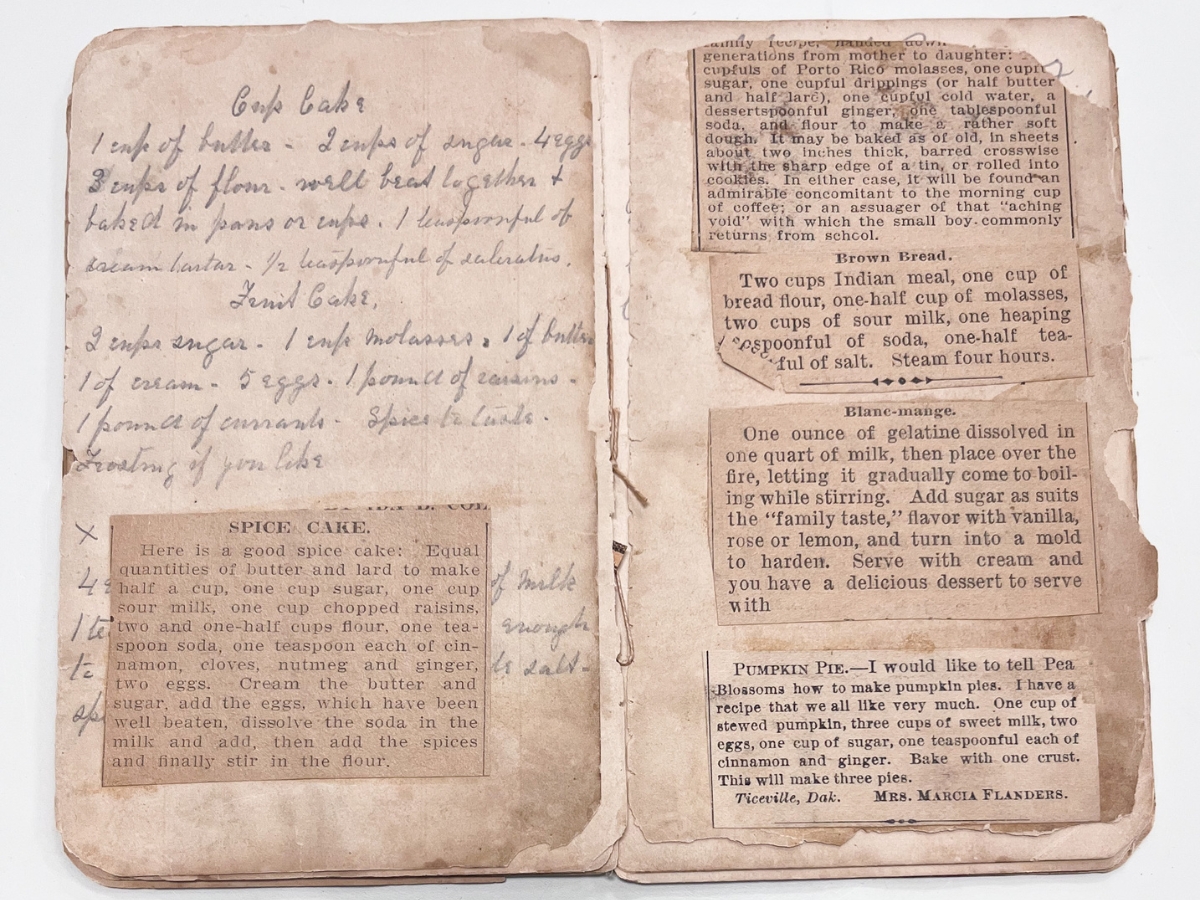
Westbrook, the location of the contributor in the clippings, is a Maine town that’s about an hour southeast of here.
Copyright The 1800s Housewife. All Rights Reserved.
There’s another recipe under that Spice Cake clipping, but I have no idea what it is, though the ingredients seem to hint at another cake recipe.
There was a Marcia Ann Flanders born in 1847 in Merrimack, NH. That appears to be her maiden name though, so the “Mrs.” doesn’t quite fit the idea of her being the contributor of that bottom clipping. It’s intriguing though, and certainly an invitation for more sleuthing.
Copyright The 1800s Housewife. All Rights Reserved.
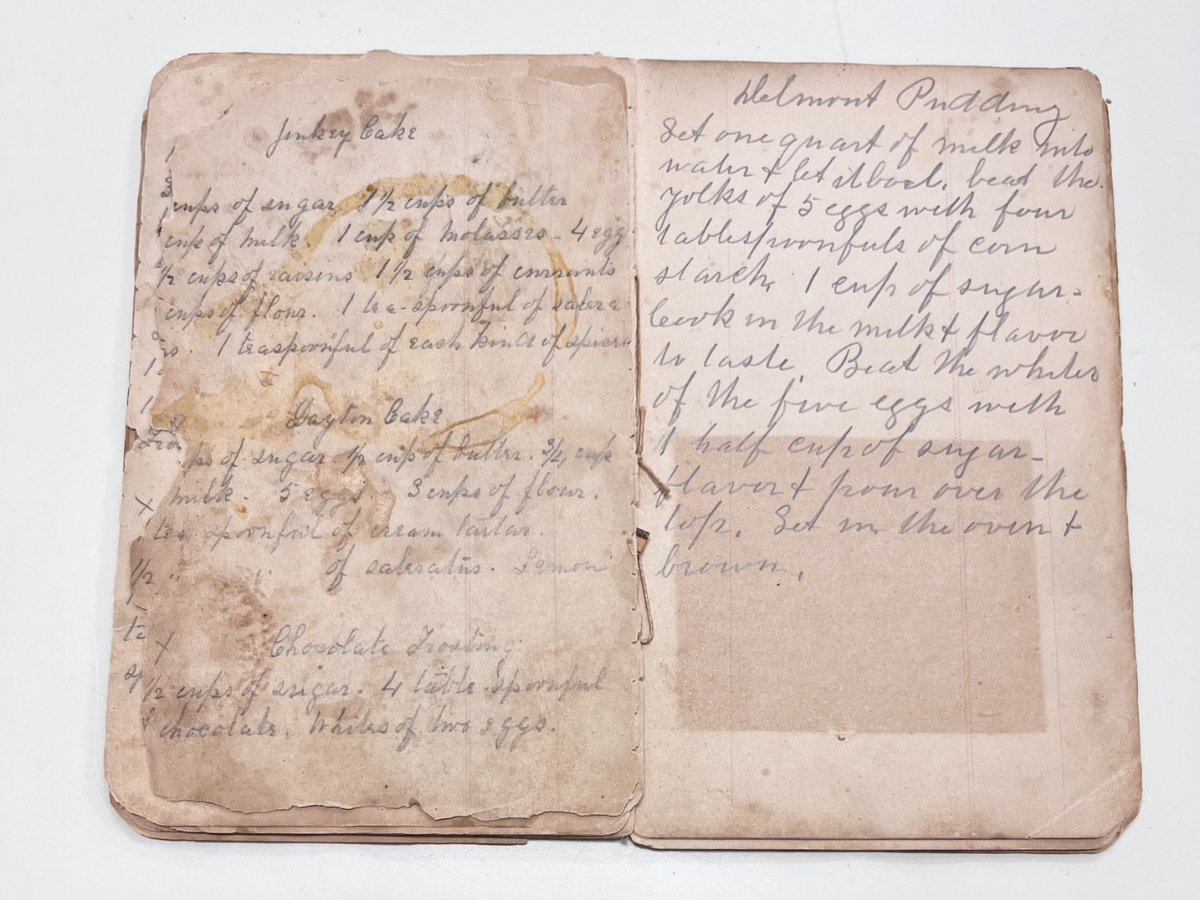
Don’t you love that drippy, circular stain? It just makes this feel like it was a well-loved, much-used volume.
Copyright The 1800s Housewife. All Rights Reserved.
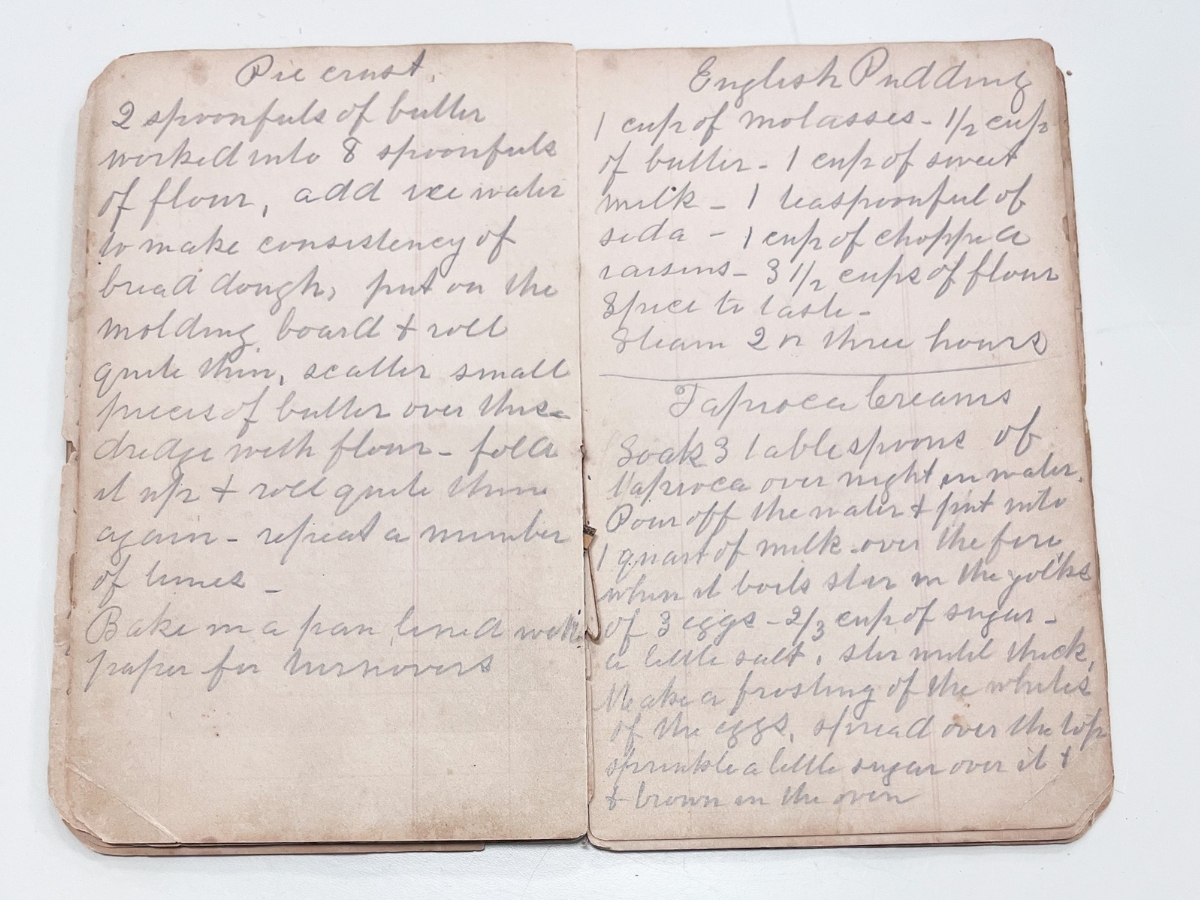
The measuring in “spoonfuls” really makes me feel even more solid about dating this pre-1900, if I weren’t feeling quite sure of that already.
Copyright The 1800s Housewife. All Rights Reserved.
Copyright The 1800s Housewife. All Rights Reserved.
Copyright The 1800s Housewife. All Rights Reserved.
I really want to make those Spice [Cakes] from the second page. Don’t those sound good?
Copyright The 1800s Housewife. All Rights Reserved.
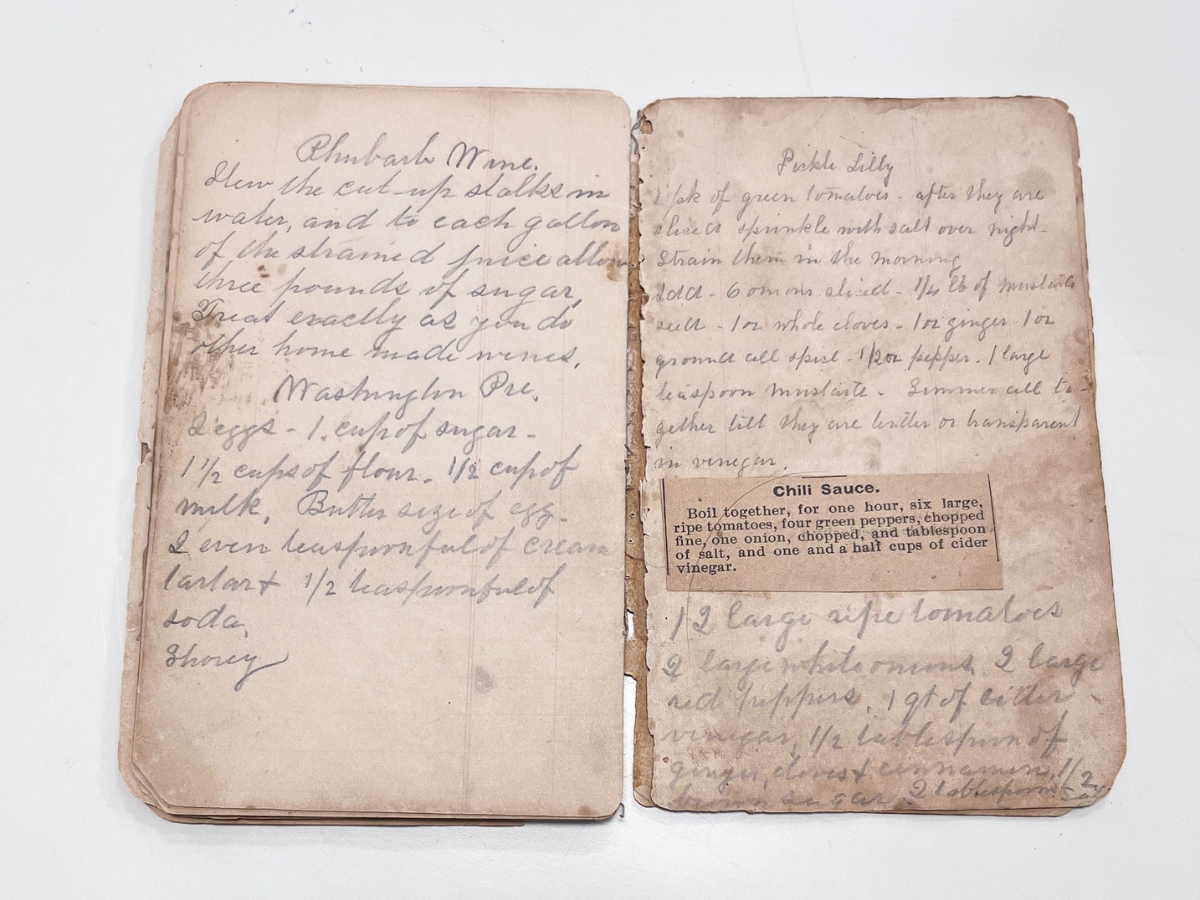
That Rhubarb wine is intriguing to me! I recently came across a Civil War era newspaper clipping with a nearly identical recipe for Rhubarb Wine, with a plea for people to make up batches of this wine and forward them to the local Sanitation Commissioner, for use in treating diarrhea and dysentery among the Northern soldiers that were fighting in Southern states, since they were much beset with those ailments.
This was a commonly copied recipe during that time, and immediately following, but it’s not a recipe I see as often toward the close of the century. It’s just another clue that makes me want to put this in the mid-late 1800s. Not conclusive by any stretch, but fascinating, for sure.
Copyright The 1800s Housewife. All Rights Reserved.
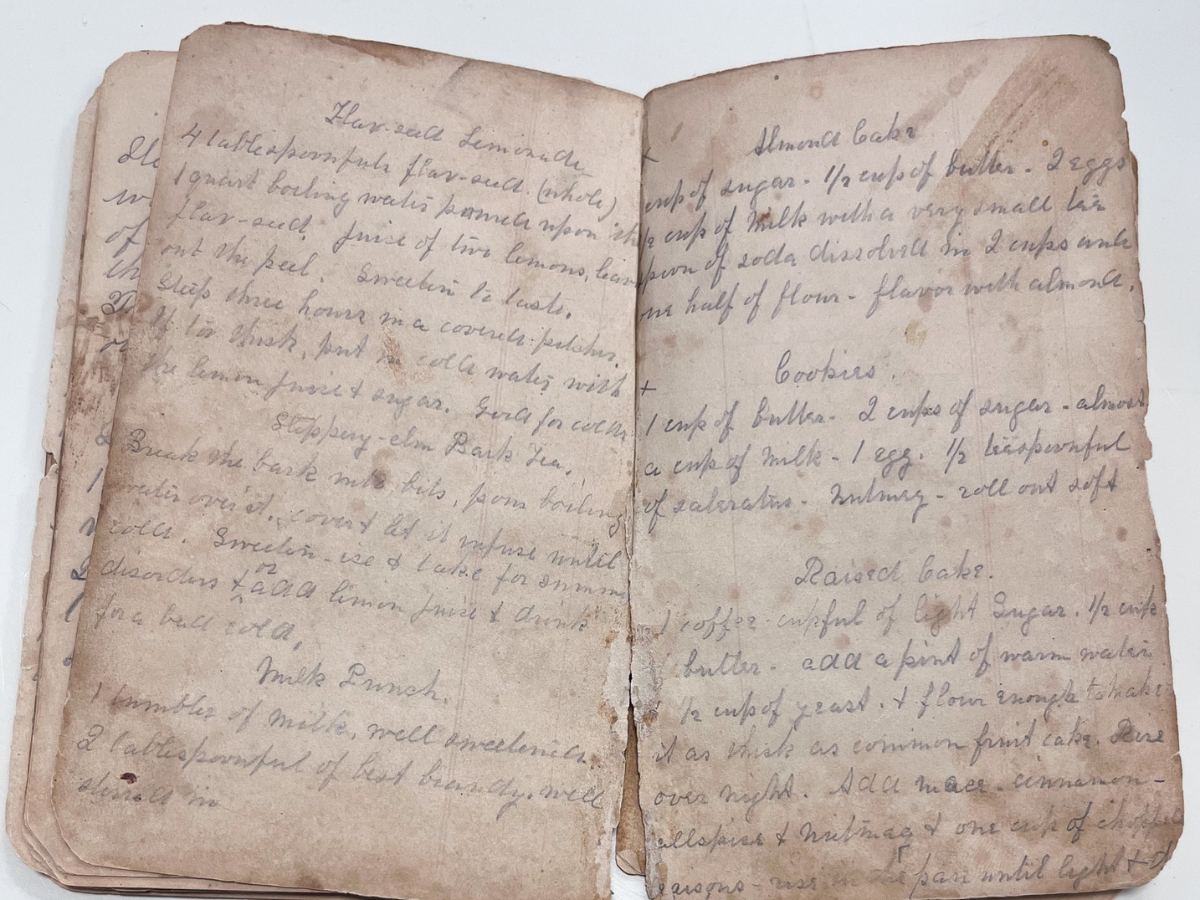
These final pages are quite stuck together, and I did my best to photograph them without damaging the book.
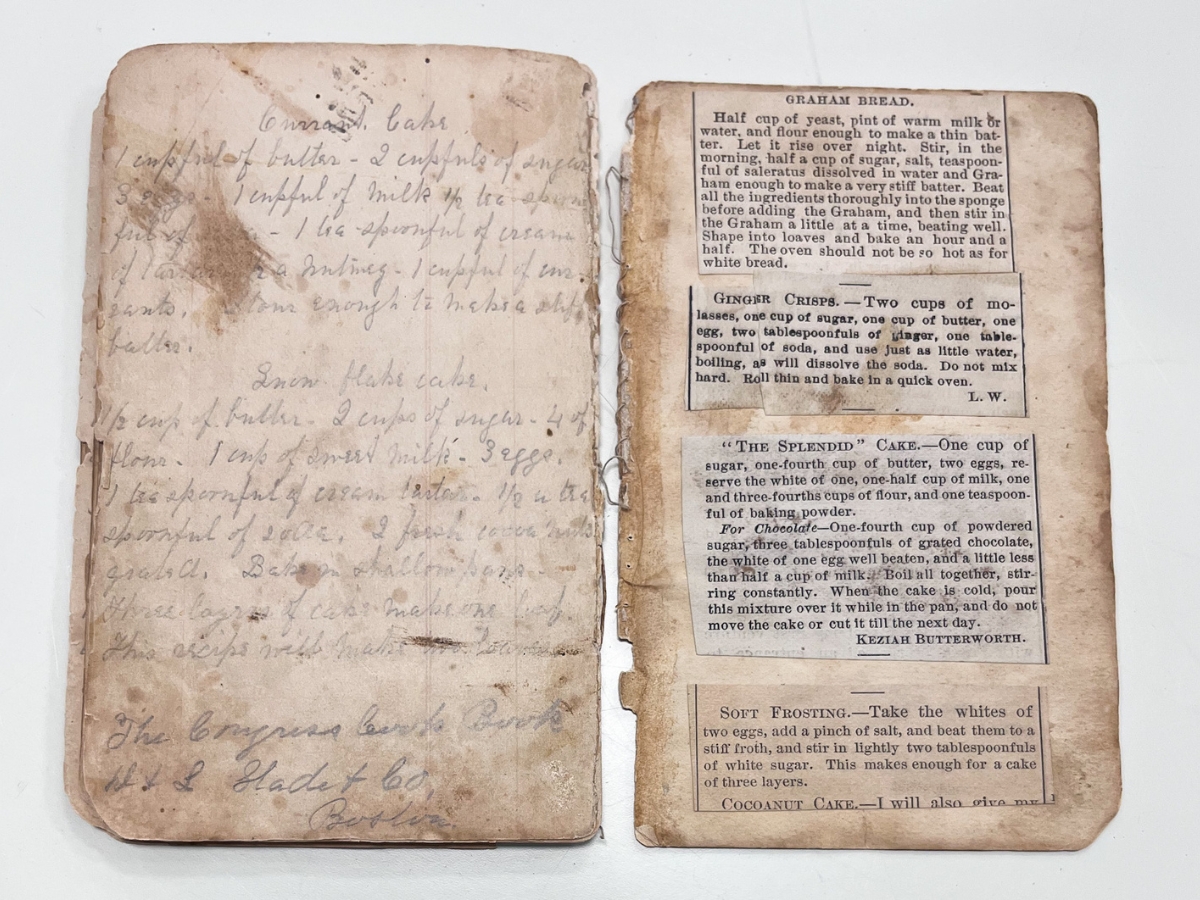
That last handwritten notation says “The Congress Cook Book, D&L Spade + Co, Boston”. I was able to find an image of the cover of that book, the second edition of which was published in 1894. If this handwritten book were filled over time, and if the Congress Cook Book” were newly published when that final entry was made, it would certainly help establish the dating of this.
I haven’t been able to find scans of the entire Congress Cook Book online, but would love to examine a museum copy one of these days.
Do you have any thoughts or theories about this little handwritten gem? I’d love to hear any insight you might have! If you try any of the recipes, please do let me know how they turn out.
Don’t forget that you can enter the drawing for an 1800’s copy of Miss Neil’s Every Day Cook Book, every time you submit a transcription for one of the recipes in this book. The drawing closes on October 1, so every recipe transcribed and submitted as a comment below, counts as an entry! If you have any questions, don’t hesitate to email me. I think this will be a fun community project!
Some other 1800s recipes you might enjoy:
- Pumpkin Pie (1845)
- A Weekly Meal Plan (1885)
- How to Start Yeast (1885)
- New Year’s Cakes (1871)
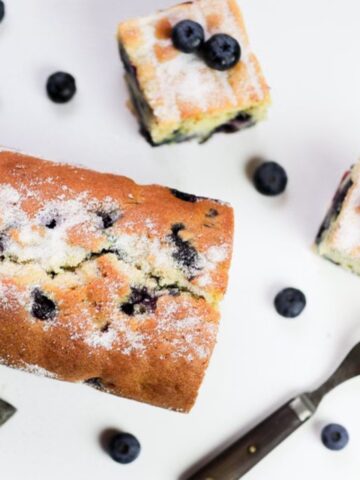
- Huckleberry Cake (1871)
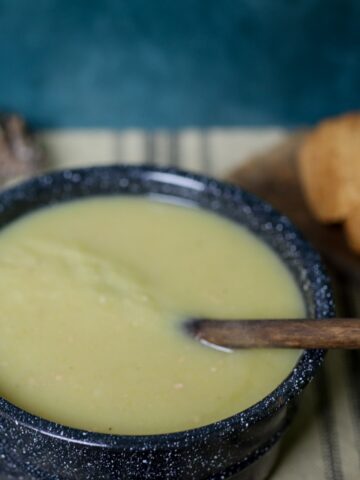
- Potato Soup (1892)
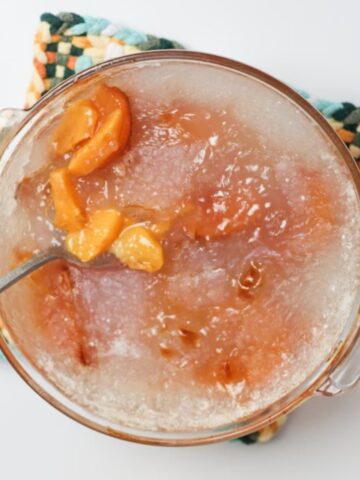
- Peach Tapioca Pudding (1876)
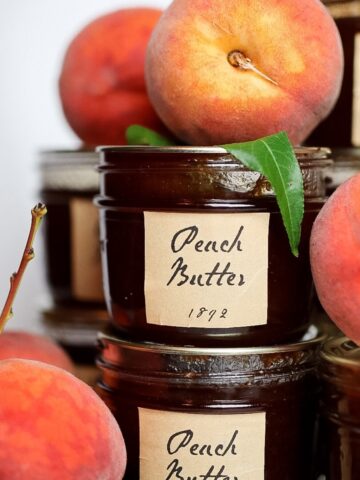
- Peach Butter (1892)
- Raspberry Cordial (1838)
- Vanilla Ice Cream (1881)
- Mrs. Rundell’s Raspberry Jam (1859)
- Quick Sally Lunn (1892)
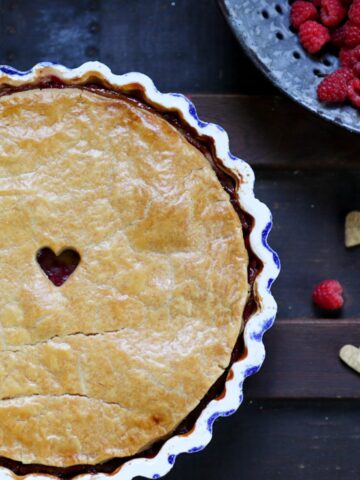
- Raspberry Tart With Cream (1856)
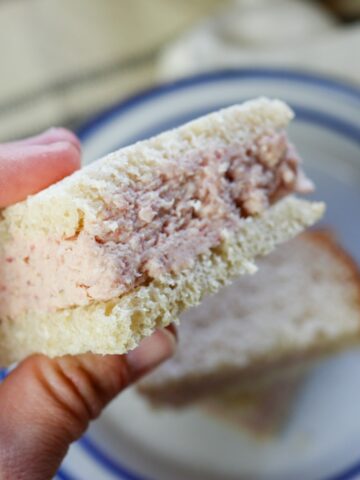
- Ham Sandwiches (1887)
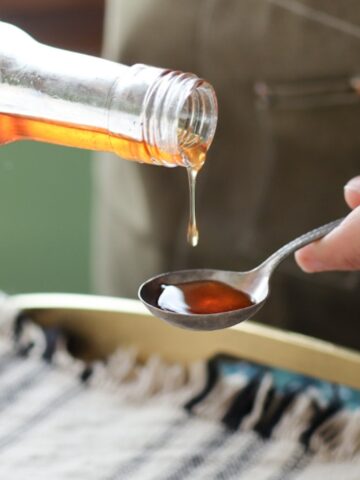
- Syrup for a Cough (1868)
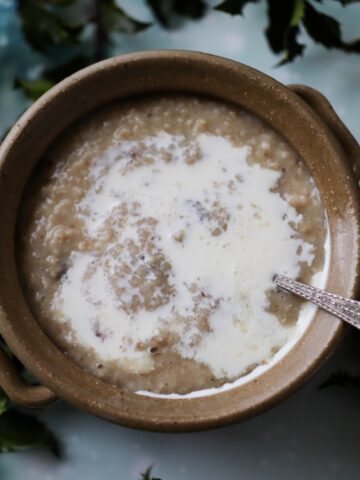
- Oatmeal (1883)

Danielle says
This is such a fun project! I recently undertook the task of transcribing all of my family’s handwritten recipes from the past 100-ish years, and it can be so tedious at times. But the reward is worth it. I’ve managed to find quite a few gems in these old recipes. Best of luck with your transcribing!
Christine says
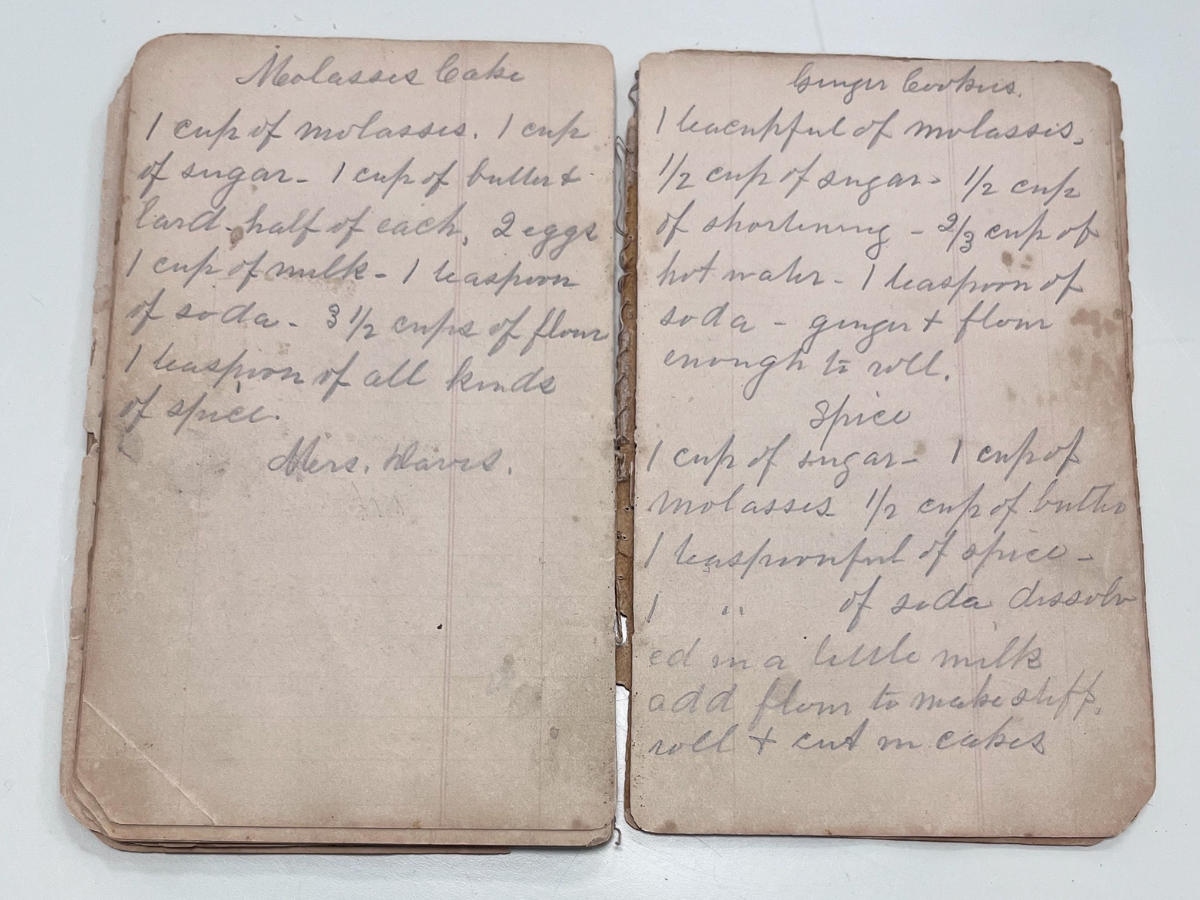
Molasses Cake
One cup of molasses. One cup of sugar. One cup of butter and lard, half of each. Two eggs. One cup of milk. One teaspoon of soda. 31/2 cups of flour. 1 teaspoon of all kinds of spice.
Mrs. Harris
Main Manuscript Cook Book, page 33
Christine says
Ginger Cookies
One teacupful of molasses. 1/2 cup of sugar. 1/2 cup of shortening. 2/3 cup of hot water. 1 teaspoon of soda. Ginger and flour enough to roll.
Main Manuscript Cook Book, page 34
Christine says
In the molasses cake recipe…
That’s supposed to be 3 1/2 cups of flour.
I didn’t leave the space between the three and the 1/2
But I had already posted, and there was no way to edit.
Sorry about that!
Marcia Taylor says
Pg 4
Graham Cakes
1 cup flour. 1 cup of
graham flour . 2 cups of
sour milk- 1 egg. 2 tablespoons
spoon of molasses. 1 tea
spoon of soda. Bake in
gem pans.
Marcia Taylor says
Brown Bread. Page 4
3/4 cup of flour. 3/4 cup of
Indian meal. 3/4 cups of rye
meal. 1/2 cup of molasses. 1/2
cups of sour milk. 1 teaspoon
full of soda. Salt. Steam 3
hours in covered part in
oven.
Marcia Taylor says
Page eight
Lemon pie
1 lemon. 5 eggs
1 cup of sugar
2 cups of cold water. 2 spoon
fulls of flour
Marcia Taylor says
Page twenty
Sponge Cake
2 eggs. 1 cup of sugar.
1 1/2 cups of flour. 1/2 cup
of milk.
2 teaspoons of baking powder
or 1 cream tartar. 1/2 soda_
Lemon
Marcia Taylor says
Page 32
Corn Cake
1 heaping cup of meal. 1 even cup of
flour. 1 egg. 1 tablespoon of sugar.
Salt. 1/2 teaspoonful of saleratus dissolved
In enough milk to mix
Abigail says
English pudding page 28
1 cup of molasses
½ cup of butter
1 cups of sweet milk
1 teaspoonful of soda
1 cup of chopped raisins
3 & ½ cups of flour
Spice to taste
Steam 2 or 3 hours
Christine says
Plain Raisin Cake
3 cups of flour. One cup of milk. 1 1/2 cups of sugar. 1/2 cup of butter. 1/2 pound of chopped raisins. Three eggs. 1 teaspoonful of saleratus. Spice of all kinds.
Maine Manuscript Cook Book, page 3
Christine says
Gold Cake
One whole egg and four yolks. 1 1/2 cups of sugar. 1/2 cup of butter. 2 1/4 cups of flour. 1/2 cup of milk. 1/2 teaspoonful of cream of tartar. 1/4 teaspoonful of saleratus. Lemon.
Maine Manuscript Cook Book, page 3
Christine says
Silver Cake
The whites of four eggs. 1 1/2 cups of sugar. 2 1/2 cups of flour. 1/2 cup of butter. 1/2 cup of milk. 1/2 teaspoonful of cream tartar. 1/4 teaspoonful of saleratus.
Maine Manuscript Cook Book, page 3
Christine says
Flour Pudding
Beat into 3 or 6 eggs milk 1 quart of milk and a little salt with flour enough to make it just thick enough to pour without difficulty.
Maine Manuscript Cook Book, page 11
Christine says
Spanish Cream
1/2 box of gelatine. 1 quart of milk. Yolks of three eggs. One small cup of sugar. Soak the gelatine one hour in the milk. Put on the fire and stir well as it simmers. Beat the yolks very light with the sugar. Add to the scalding milk and heat to boiling point, stirring all the while. (Skim?) if necessary and flavor.
Maine Manuscript Cook Book, page 14
Christine says
French Cake
8 cups of flour. 2 cups of sugar. 1 cup of milk. 1/2 cup of butter. 4 eggs. 1 teaspoonful of soda. 2 teaspoonfuls of cream tartar. Currants.
Maine Manuscript Cook Book, page 16
Christine says
Fruit Cake
2 cups sugar. 1 cup molasses. 1 of butter. 1 of cream. 5 eggs. 1 pound of raisins. 1 pound of currants. Spice to taste. Frosting if you like.
Maine Manuscript Cook Book, page 23
Christine says
Delmont Pudding
Set 1 quart of milk into water and let it boil. Beat the yolks of 5 eggs with four tablespoonfuls of corn starch, 1 cup of sugar. Cook in the milk and flavor to taste. Beat the whites of the five eggs with 1 half cup of sugar. Flavor and pour over the top. Set in the oven and brown.
Maine Manuscript Cook Book, page 26
Christine says
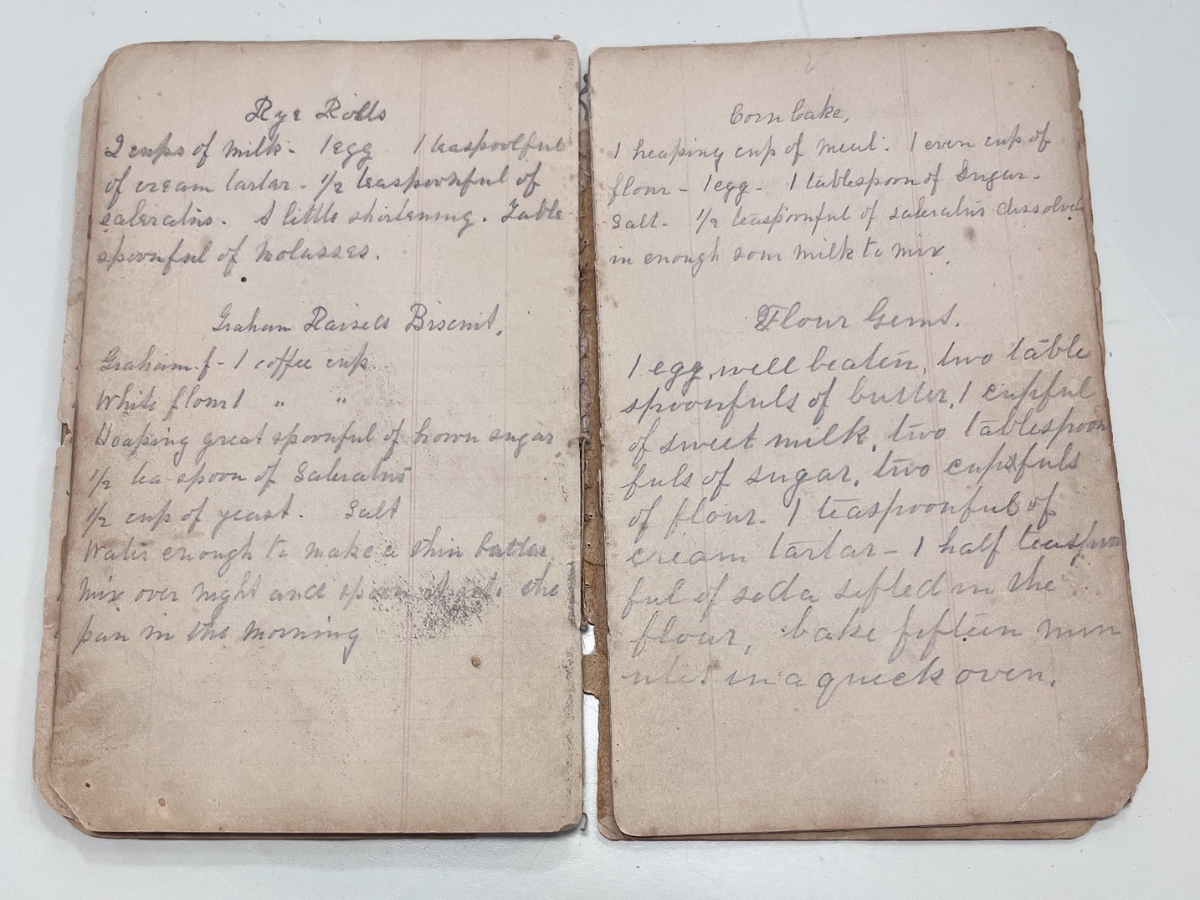
Rye Rolls
2 cups of milk. 1 egg. 1 teaspoonful of cream tartar. 1/2 teaspoonful of saleratus. A little shortening. Tablespoonful of molasses.
Maine Manuscript Cook Book, page 31
Christine says
Flour Gems
1 egg, well beaten. Two tablespoonfuls of butter. 1 cupful of sweet milk. Two tablespoonfuls of sugar. Two cupfuls of flour. 1 teaspoonful of cream tartar. 1 half teaspoonful of soda sifted with the flour. Bake fifteen minutes in a quick oven.
Maine Manuscript Cook Book, page 32
Christine says
Spice
1 cup of sugar. 1 cup of molasses. 1/2 cup of butter. 1 teaspoonful of spice. 1 teaspoonful of soda dissolved in a little milk. Add flour to make stiff. Roll and cut (into?) cakes.
Maine Manuscript Cook Book, page 34
Robinett says
Bethel Springs Cake
Two eggs
1 cup of sugar
1 heaping cup of flour
1 teaspoon full of cream —- ?
1/2 teaspoon full of dates? ——- dissolved in 2 teaspoonsful of milk
Lemon
Taylor Cake
7 eggs
2 pounds
1 1/2 pounds of butter
7 cups of flour
1 1/2 pounds of currents or chopped ——— ———?
a tablespoon full of cinnamon
1 pint
a teaspoons full of saleratus (Internet verified leavening agent)
Snow Cake. Frank’s Cake
1 cup of
1/2 cup of butter
3 eggs
1/2 cup of milk
1/2 teaspoonful of saleratus
2 cups
1/2 teaspoonful of cream of tartar
Nutmeg
Kat Porter says
Rhubarb Wine, pg 35
Stew the cut up stalks in water and to each gallon of the strained juice allow three pounds of sugar. Treat exactly as you do other home made wines.
(Comment from transcriber: This sounds fun to try, but you would have to look at other recipes for the fermentation times and how to store it. Maybe in a large crock with lid?)
Anna says
Yes! I’m asking permission from the collector, to share a photo of that Civil War era newspaper notice with the rhubarb wine recipe and request for sending it to the Sanitation Commission for the soldiers…I think folks would love seeing them next to each other, and directions for making a rhubarb wine!
Kat Porter says
Washington Pie, pg 35
2 eggs – 1 cup of sugar
1 1/2 cups of flour.
1/2 cup of milk.
Butter size of egg.
2 even teaspoonfuls of cream tartar & 1/2 of soda
Honey [word?]
(Comment from transcriber: I think the last word on the page is “honey” but there are no other note.)
Kat Porter says
Page 30,
Doughnuts
1 scant cup of sugar. 1 egg
butter size of an English walnut. 1 cup sour milk
1 even teaspoon soda – the same of cream tartar
3 cups flour. Salt and spice to taste
Kat Porter says
Page 30, second recipe for Doughnuts
2 eggs 1 cup sugar.
1 cup of milk, butter size of a walnut. 1 teaspoon of soda – 2 teaspoonful of cream tartar & a little nutmeg.
(Comment from transcriber: I think it’s sweet that it feels like she is just jotting the ingredients down to remember the ingredients, because it’s a given that people know the techniques that are involved for making these recipes as well as the assumed serving sizes. )
Anna says
I absolutely love this about it, too!
Kat Porter says
Page 21, Griddlecakes
1 cupful of flour 1 teaspoonful of baking powder. 1 scant cup of milk.
1 teaspoonful of melted butter. If you have some sour milk, take 1 cupful & 1/2 teaspoonful of soda
Salt 1/2 teaspoonful.
You can add 1 egg if you wish.
Valerie Oswald says
I will get to the rest in a bit. If I can’t figure out a word I use a (?) to show. I love transcribing old books like this.
Maine Manuscript cookbook 1800s
Page 2
Bethel Springs Cake
3 eggs, 1 cup of sugar, 1 heaping cup of flour, 1 teaspoonful of cream Tartar (?). ½ teaspoonful of saleratus dissolved in 2 teaspoonful of milk, lemon.
Taylor cake
7 eggs, 2 pounds of sugar, 1 1/22 pounds of butter, 7 cups of flour, 1 ½ pounds of currants or chopped raisins, three nutmegs, a little spoonful of cinnamon, 1 pint of milk a teaspoon of saleratus.
Snow Cake Frank’s Cake
1 cup of sugar, ½ cup of butter, 3 eggs, ½ cup of milk, ½ teaspoonful saleratus, 2 cups of flour, 1 teaspoonful of cream of tartar.
Page 3 and 4
Plain Raisin Cake
3 cups of flour, 1 cup of milk, 1 ½ cups of sugar,1/2 cup of butter, ½ pound of chopped raisins, three eggs, 1 teaspoonful of saleratus, spice of all kinds.
Gold Cake
1 whole egg & 4 yolks, 1 ½ cups of sugar, ½ cup of butter, 2 ¼ cups of flour, ½ cup of milk, ½ teaspoonful of cream tartar, ¼ teaspoonful of saleratus, lemon.
Silver Cake
The whites of 4 eggs, 1 ½ cups of sugar, 2 ½ cups of flour, ½ cup of butter, ½ cup of milk, ½ teaspoonful of saleratus.
Graham Cake
1 cup of flour, 1 cup of graham flour, 2 cups of sour milk, 1 egg, 2 tablespoon of molasses, 1 teaspoon of soda, Bake in gem pans.
Brown Bread
¾ cup of flour, ¾ cup of Indian meal, ¾ cup of rye meal, ½ cup of molasses, 1 ½ cups of sour milk, 1teaspoonful of soda, salt. Steam 2 hours in covered pan on oven. Mrs. Jane
Page 5 and 6
Chili Sauce
Take 18 ripe tomatoes peeled, then add 2 large onions, 6 green peppers chopped fine, ¾ cups of vinegar, 2 large spoonfuls of salt, 2 large spoonfuls of brown sugar, 2 teaspoonful of ginger, – cloves – allspice & cinnamon. Stir moderately 2 ½ hours.
Chow-Chow
2 quarts of green tomatoes chopped fine, 1 (I think qrt) of onions, 1 pound of ? peppers, 1 large cup of salt, Let it set over night, then drain through a sieve. Add 1 lb. mixed mustard seed & vinegar enough to cover. It needs no cooking.
Very Nice Gingerbread
Simmer together 1 cup of molasses with ½ cup of sugar a few minutes. Pour in onto ½ cup of each of butter & layer with a little salt. Add 1 egg, 2/3 of a cup of milk, 1 teaspoonful of soda, ginger & 3 cups of flour. Beat well together.
Ginger Snaps
1 cup butter, 1 cup molasses, 1 cup of sugar, ¾ cup sweet milk, 1 teaspoonful saleratus, 2 of ginger.
Sally Lund Gems
1 egg, 2 tablespoonfuls of melted butter, 1 cup of sweet milk, 2 tablespoonfuls of sugar, 2 cups of flour, 1 teaspoonful of cream tartar, ½ teaspoonful of saleratus. Bake 15 minutes.
Page 7 and 8
Marble Cake
1 cup of white sugar, ½ cup of butter, ½ cup of milk, Whites of 3 eggs, 1 teaspoonful of cream tartar, ½ teaspoonful of soda, 2 cups of flour.
Dark
½ cup of brown sugar, ¼ cup of butter, ½ cup of molasses, ¼ cup of milk, ½ nutmeg, 1 teaspoonful cinnamon, ½ teaspoonful of allspice, ½ teaspoonful of soda, 1 teaspoonful cream tartar, 2 cups of flour. Yolk of three eggs.
Pop-Overs
3 cups of milk, 3 cups of flour, 3 eggs. Bake half an hour in quick oven in cups.
Lorrie Jones(I think) Cake
1 cup of butter, 2 cups of sugar, 4 cups of flour, 4 eggs, 1 cup of raisins, 1 cup of currants, 1 cup of milk, 1 teaspoonful of cream tartar, ½ teaspoon of soda.
Lemon Pie
1 lemon, 5 eggs, 1 cup of sugar, 2 cups of cold water, 2 spoonfuls of flour.
Gold Cake
½ cup of butter, 1 cup of sugar, four eggs, (yolks) one whole egg, one-half cup of milk, 1 teaspoon of lemon, 2 cups of flour, 2 even teaspoons of cream tartar & ½ teaspoon of soda. Mrs. Henry.
Page 9 and 10
Bridgton Gingerbread
1 cup of sugar, 1 cup of molasses, 1 tablespoon of saleratus dissolved in ½ cup of cold water, 1 heaping teaspoon of alum dissolved in ½ cup of hot water, 2/3 cup butter. Beat butter & sugar together, roll out.
(very interesting recipe, but I would not recommend it because of the alum, which is a bitter flavor)
Silver Cake
Whites of 3 eggs, 1 cup of sugar, ½ cup of butter, 2 cups of flour, ½ cup of milk, 1 teaspoonful of cream tartar, ½ teaspoonful of soda. Mrs. Henry
Cream Pie
1 tablespoonful of butter, 1 egg, 1 cup of sugar, 1 cup of milk, 1 teaspoonful of (?), 2 teaspoonfuls of cream tartar, 3 cups of flour.
Inside
1 cup of milk boiling, 1 egg, ½ cup of sugar, ½ cup of flour, 1 teaspoonful of butter, lemon.
Pudding
1 cup of molasses, 1 cup of milk, 1 cup of chopped suet or ½ cup of butter, 3 ½ cups of flour, 1 cup of chopped raisins, 1 teaspoonful of soda, spice to taste. Boil three hours.
Sauce – Butter & sugar beaten together.
Valerie Oswald says
This book uses a lot of Saleratus;
Saleratus is what was used in this time period for baking soda: one teaspoon saleratus equals 1 ¼ teaspoons soda.
The Ingredient Saleratus was a rising agent used before baking soda. After baking soda was more commonly used the names of them were often interchangeably used in ingredient lists on recipes. Saleratus fell out of major use in the late 1880’s when baking powder was invented.
Valerie Oswald says
Page 11 and 12
Flour Pudding
Beat up 3 or 6 eggs with 1 qt (quart) of milk and a little salt with flour enough to make it just thick enough to pour without difficulty.
Lemon Pie
The juice and grated rind of 1 lemon, 1 cup of water, 1 cup of sugar, 2 tablespoonful of flour, 1 tablespoonful of butter. Makes two pies.
Lemon Pie
Grate the rind & squeeze the juice from five lemons, beat eight tablespoonfuls of white sugar with the yolks of 3 eggs; add two tablespoonfuls of flour, half a teacup of water & bake with an under crust ½ four; then take the whites of 3 eggs & 4 tablespoonfuls of white sugar for frosting bake quick until brown even. Do not put this on until the pie is done.
Huntington Pudding
Boil a teacup of rice in one quart of milk until quite soft, then add a little salt, butter the size of a nutmeg, grated rind of a lemon, two even spoonfuls of sugar with the well beaten yolks of three eggs. Prepare while hot so the rice will cook the egg. Frost it with the whites of the eggs, the juice of a lemon & seven tablespoonful of sugar. Brown it in a cool oven.
Page 13 and 14
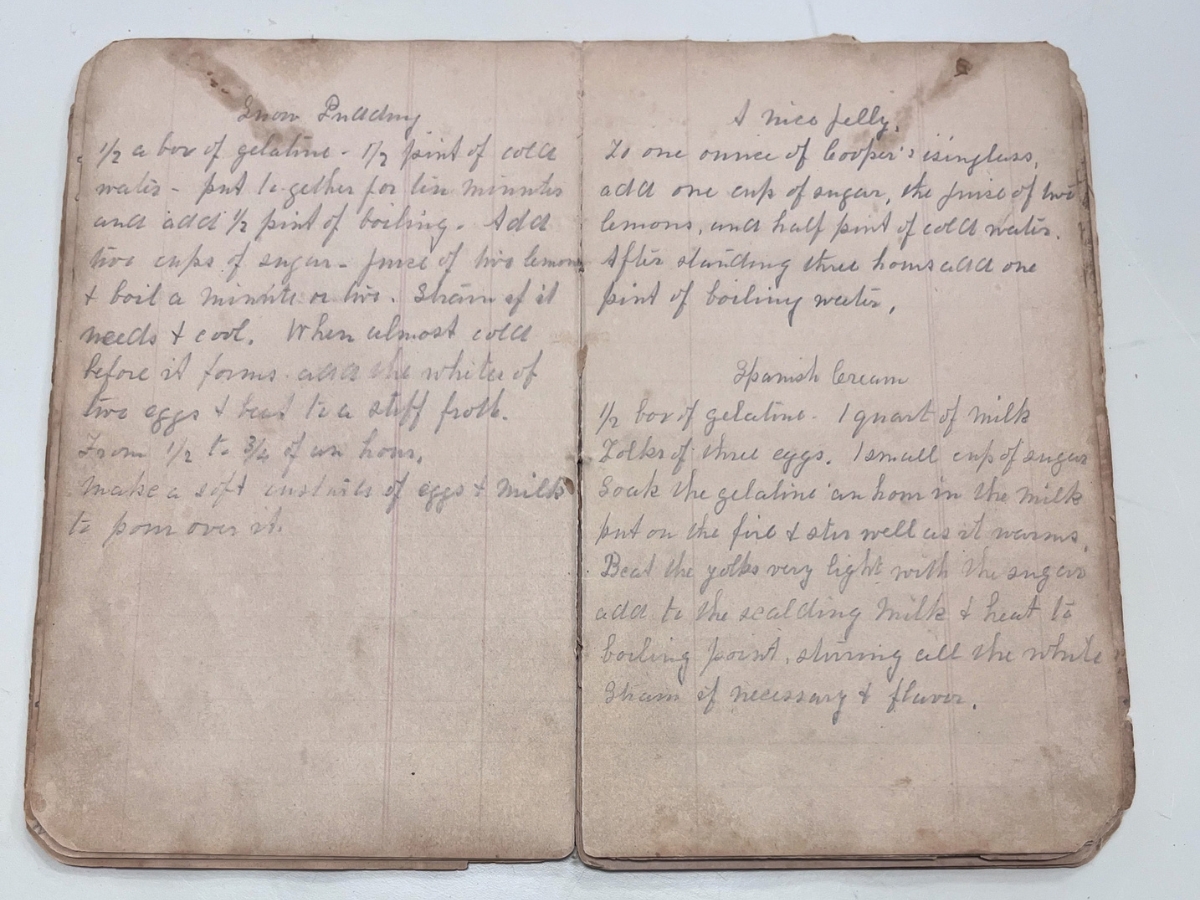
Snow Pudding
½ box of gelatine, ½ pint of cold water, put together for tin (ten?) minutes and add ½ pint of boiling (water?). Add five cups of sugar. Juice of five lemons & boil a minute or five. Strain of it needs & cool. When almost cold before it forms, add the whites of two eggs & beat to a stiff froth. Form ½ to ¾ of an hour. Make a soft custard of eggs & milk to pour over it.
By “strain of it needs & cool” I think it means to strain off the scum that forms on top of the liquid as it boils, then let it cool. “When almost cold before it forms add the whites of two eggs & beat to a stiff froth” I think this means to make a meringue of the egg whites and put it over the pudding then bake it for ½ to ¾ of an hour.
A Nice Jelly
To one ounce of Cooper’s isinglass, add one cup of sugar, the juice of two lemons, and half pint of cold water. After standing three hours add one pint of boiling water.
(Isinglass – Was used as a form of coagulant and is a collagen used to clarify or for the solidification of foods; the same way we use gelatin today. Originally made just from sturgeon, the same fish you get caviar from; in 1795 the inventor William Murdoch created an inexpensive substitute from cod. It is formed from the dried swim bladder of fish, processed, dried and formed into shapes for use. It can be found today in paper sized sheets that are often used as glass window panes in gingerbread houses.
Most often used in desserts such as blancmange and fruit jellies, it is also used in some beers to help clarify the brew and to remove the spent yeast.)
Spanish Cream
½ box of gelatine, 1 quart of milk, yolks od three eggs, 1 small cup of sugar. Soak the gelatine an hour in the milk put on the fire & stir well as it warms. Beat the yolks very light with the sugar, add to the scalding milk & heat to boiling point, stirring all the while (?) if necessary & flavor.
Page 15 and 16
Collage Pudding
1 cup of sugar, 1 tablespoonful of butter, 2 eggs, 1 cup of sweet milk, 3 cups of flour or enough to make a tolerably stiff batter, ½ teaspoonful of soda, 1 teaspoonful of cream tartar, sifted with the flour, salt. Cut in slices & cut with liquid sauce.
(An interesting side; Irish Moss Blanc Mange the Irish Moss is a type of gelatine that was used to solidify things like puddings. Along the same thing as isinglass and gelatine. It was harvested from the sea along coastlines.)
French Cake
3 cups of flour, 2 cups of sugar, 1 cup of milk, ½ cup of butter, 4 eggs, 1 teaspoonful of soda, 2 teaspoonfuls of cream tartar, currants.
Sugar Cookies
½ cup of milk, ½ cup of butter, 1 cup of sugar, ½ teaspoonful of saleratus, 1 teaspoonful of cream tartar, 1 egg, caraway seed or lemon. Marks
Delicate Cake
1 cup of butter, 2 cups of sugar, 3 cups of flour, ½ cup of milk, whites of six eggs, 1 teaspoonful of cream tartar, ½ teaspoon(?) I can’t read under the smudge.
Page 17 and 18
Berwick Sponge Cake
Beat 6 eggs yolks & whites together for 2 minutes, add three cups of sugar, beat five minutes. 2 cups of flour, 2 teaspoonfuls of cream tartar, beat 2 minutes, 1 cup of cold water with 1 teaspoonful of saleratus dissolved in it & beat one minute. 2 cups more of flour & beat one minute. Flavor with lemon.
Delicate Cake
The whites of four eggs well beaten, 1 cup of white sugar, ½ cup of butter, ½ cup of sweet milk, two cups of flour, 2 even teaspoons of cream tartar, ½ teaspoonful of soda. Sherry
Page 19 and 20
Spice Cakes
1 egg, 2/3 cup of sugar, 2/3 cup of molasses, 1 cup of milk, 2/3 cup of melted butter, 2 ½ cups of flour, 1 heaping teaspoonful of cream tartar, 1 tablespoonful of mixed spices, 1 tablespoonful of vinegar. Mix in the order given, bake in small tins. If pastry flour is used more will be needed, say a cup more. Mrs. Johnson
Sponge Cake
2 eggs, 1 cup of sugar, 1 ½ cups of flour, ½ cup of milk, 2 teaspoons of baking powder or 1 cream tartar, ½ soda, lemon. Miss Hasby
Mrs. G.O. Brown’s Cake
1 cup of sugar, ½ cup of butter, 4 eggs beaten separately, 2 tablespoons of milk, 1 cup of flour, ½ teaspoonful of soda, 1 teaspoonful of cream tartar, flavor, lemon, ½ teaspoonful. Put whites in last, salt in whites makes it light.
Valerie Oswald says
Page 21 and 22
Griddle Cakes
1 cupful of flour, 1 teaspoonful of baking powder, 1 scant cup of milk, 1 teaspoonful of melted butter. If you use sour milk take 1 cupful & ½ teaspoonful of soda, salt, ½ teaspoonful you can add, 1 egg if you wish.
Currant Cakes
1 cup of butter, 2 cups of sugar, 3 cups of flour, 4 eggs, 1 cup of currants or citron if you choose, ½ teaspoonful of saleratus.
Lemon Cup Cakes.
(does the paper lift off?)
Pages 23 and 24
Cup Cake
1 cup of butter, 2 cups of sugar, 4 eggs, 3 cups of flour well beaten together & baked in pans or cups, 1 teaspoonful of cream tartar, ½ teaspoonful of saleratus.
Fruit Cake
2 cups sugar, 1 cup molasses, 1 of butter, 1 of cream, 5 eggs, 1 pound of raisins, 1 pound of currants, spices to taste. Frosting if you like.
Pages 25 and 26
(? Maybe Junkey) Cake (a new cake for me, not heard this one before)
? cups of sugar, 1 ½ cups of butter, ? cup of milk, 1 cup of molasses, 4 eggs, ½ cup of raisins, 1 ½ cups of currants, ? cups of flour, 1 teaspoonful of saleratus, ?, 1 teaspoonful of each kind of spice.
Dayton Cake
? cups of sugar, ½ cup of butter, ¾ cup of milk, 5 eggs, 3 cups of flour, ? teaspoonful of cream tartar, ½ teaspoonful of saleratus, lemon.
Chocolate Frosting
½ cup of sugar, 4 tablespoonfuls of chocolate, Whites of two eggs.
Delmont Pudding
Set one quart of milk into water & let it cool. Beat the yolks of 5 eggs with four tablespoonfuls of corn starch, 1 cup of sugar. Cook in the milk & flavor to taste. Beat the whites of the five eggs with 1 half cup of sugar, flavor & pour over the top. Set in the oven & brown.
Pages 27 and 28
Pie Crust
2 spoonfuls of butter, worked into 8 spoonfuls of flour, add ice water to make consistency of bread dough, put on the molding board & roll quite thin, scatter small pieces of butter over this dredge with flour, fold it up & roll quite thin again, repeat a number of times. Bake in a pan lined with paper for turnovers.
English Pudding
1 cup of molasses, ½ cup of butter, 1 cup of sweet milk, 1 teaspoonful of soda, 1 cup of chopped raisins, 3 ½ cups of flour, spice to taste. Steam 2 or three hours.
Tapioca Creams
Soak 3 tablespoons of tapioca over night in water. Pour off the water & put water in 1 quart of milk over the fire, when it boils stir in the yolks of 3 eggs, 2/3 cup of sugar, a little salt. Stir until thick. Make a frosting of the whites of the eggs, spread over the top, sprinkle a little sugar over it & brown in the oven.
Pages 29 and 30
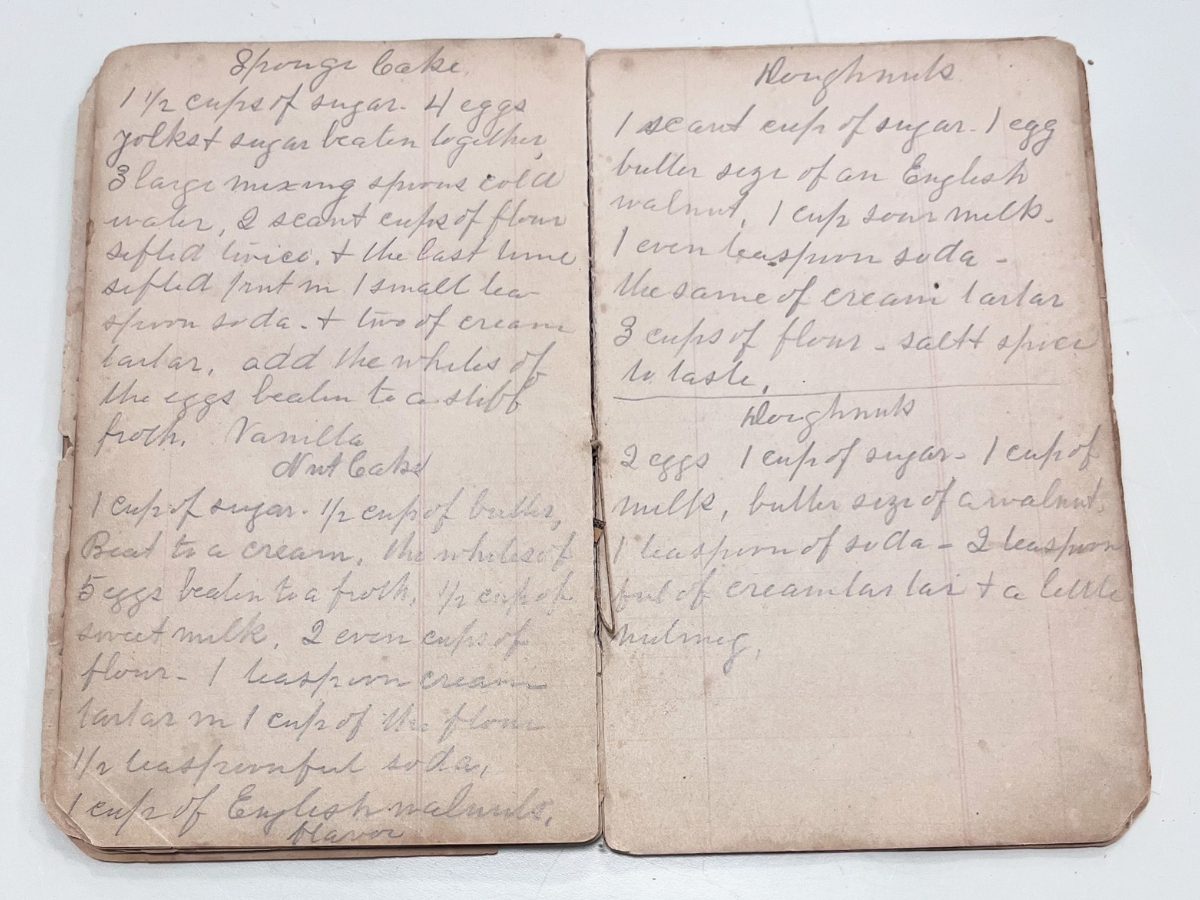
Sponge Cake
1 ½ cups of sugar, 4 eggs, yolks & sugar beaten together, 3 large mixing spoons cold water, 2 scant cups of flour sifted twice, & the last time sifted put in 1 small teaspoon soda, & two of cream tartar. Add the whites of the eggs beaten to a stiff froth, vanilla.
Nut Cakes
1 cup of sugar, ½ cup of butter beat to a cream. The whites of 5 eggs beaten to a froth, ½ cup of sweet milk, 2 even cups of flour, 1 teaspoon cream tartar in 1 cup of the flour, ½ teaspoonful soda, 1 cup of English walnuts, flavor.
Doughnuts
1 scant cup of sugar, 1 egg, butter size of an English walnut, 1 cup sour milk, 1 even teaspoon soda, the same of cream tartar, 3 cups of flour, salt, spice to taste.
Doughnuts
2 eggs, 1 cup of sugar, 1 cup of milk, butter size of a walnut, 1 teaspoon of soda, 2 teaspoonful of cream tartar & a little nutmeg.
(Butter size of a walnut equals 1 ounce)
Pages 31 and 32
Rye Rolls
2 cups of milk, 1 egg, 1 teaspoonful of cream tartar, ½ teaspoonful of saleratus, a little shortening, tablespoonful of molasses.
Graham Raised Biscuits
Graham F(flour) – 1 coffee cup, white flour 1 coffee cup, heaping great spoonful of brown sugar, ½ teaspoon of saleratus, ½ cup of yeast, salt, water enough to make a thin batter. Mix over night and ½ ??. the pan in the morning.
Corn Cake
1 heaping cup of meal, 1 even cup of flour, 1 egg, 1 tablespoon of sugar, salt, ½ teaspoonful of saleratus dissolved in enough warm milk to mix.
Flour Gems
1 egg well beaten, two tablespoonfuls of butter, 1 cupful of sweet milk, two tablespoonfuls of sugar, two cupfuls of flour, 1 teaspoonful of cream tartar, 1 half teaspoonful of soda sifted in the flour. Bake fifteen minutes in a quick oven.
Pages 33 and 34
Molasses Cake
1 cup of molasses, 1 cup of sugar, 1 cup of butter & lard, half of each, 2 eggs, 1 cup of milk, 1 teaspoon of soda, 3 ½ cups of flour, 1 teaspoon of all kinds of spice. Mrs. (either Davis or Harris)
Ginger Cookies
1 teacupful of molasses, ½ cup of sugar, ½ cup of shortening, 2/3 cup of soda, 1 teaspoon of soda, ginger & flour enough to roll.
Spice
1 cup of sugar, 1 cup of molasses, ½ cup of butter, 1 teaspoonful of spice, 1 teaspoonful of soda dissolved in a little milk add flour to make stiff, roll & cut in cakes.
Pages 35 and 36
Rhubarb Wine
Stew the cut up stalks in water, and to each gallon of the strained juice allow three pounds of sugar. Treat exactly as you do other home made wines.
Washington Pie
2 eggs, 1 cup of sugar, 1 ½ cups of flour, ½ cup of milk, butter size of an egg, 2 even teaspoonful of cream tartar & ½ teaspoonful of soda. Sherry
(Butter size of an egg equals 2 ounces)
Pickle Lilly
(also known as Piccalilli)
1 pk (peck) of green tomatoes after they are sliced sprinkle with salt over night. Strain them in the morning. Add 6 onions sliced, ¼ lb. of mustard seed, 1 oz. whole cloves, 1 oz. ginger, 1 oz. ground allspice, ½ oz. pepper, 1 large teaspoon mustard. Simmer all together till they are tender or transparent in vinegar.
12 large ripe tomatoes, 2 large white onions, 2 large red peppers, 1 qt (quart) of (bitter or better?) vinegar, ½ tablespoon of ginger, cloves & cinnamon, ½ spoons sugar, 2 tablespoons salt.
Pages 37 and 38
(?) Lemonade
4 tablespoonfuls (?) (Whole) 1 quart boiling water, (?) upon, stir (?), juice of two lemons, lemons leave out the peel. Sweeten to taste. Steep three hours in a covered pitcher. If too thick, put in cold water with the lemon juice & sugar. Good for colds.
Slippery-Elm Bark Tea
Break the bark into bits, pour boiling water over it, cover & let it infuse until cold. Sweeten (?) & take for common disorders & or add lemon juice & drink for a bad cold.
Milk Punch
1 tumbler of milk, well (sweetened with?), 2 tablespoonful of best Brandy well stirred in.
Almond Cake
? cup of sugar, ½ cup of butter, 2 eggs, ½ cup of milk with a very small teaspoon of soda dissolved in, 2 cups and one half of flour, flavor with almond.
Cookies
1 cup of butter, 2 cups of sugar, almost a cup of milk, 1 egg, ½ teaspoonful of saleratus, nutmeg. Rol out soft.
Raised Cake
1 coffee cupful of light sugar, ½ cup of butter, add a pint of warm water, ½ cup of yeast & flour enough to make it as thick as common fruit cake. Rise over night. Add mace, cinnamon, allspice & nutmeg & one cup of chopped raisins. Rise in the pan until light & ?
Page 39
Currant cake
1 cupful of butter, 2 cupfuls of sugar, 3 eggs, 1 cupful of milk, ½ teaspoonful of soda, 1 teaspoon of cream of tartar, ½ o nutmeg, 1 cupful of currants, flour enough to make a stiff batter.
Snow Flake Cake
½ cup of butter, 2 cups of sugar, 4 of flour, 1 cup of sweet milk, 3 eggs, 1 teaspoonful of cream tartar, ½ teaspoonful of soda, 2 fresh cocoanuts grated. Bake in shallow pans. Three layers of cake make one loaf; this recipe will make (two?) loaves.
Valerie Oswald says
Nice little book. I agree with you that it is mid to late 1800’s just from the use of the ingredients, such as saleratus. by the later 1800’s it and baking soda were often interchanged for each other and often called the same thing. A lot of them were hard to read because I could not get close enough to the pages to figure out the words, and those couple where the left side was torn or hidden. The recipes for Sally Lund Gems is a new one for me, usually I find them as cakes, not cookies. That and the Taylor cake are 2 types of named cakes I have been tracing through my cookbooks, so it is nice to find a couple more. Thanks!