
Here’s an absolutely delectable Ginger Cake recipe that I‘ve been so eager to share with you. It’s like a soft molasses cookie and a pan of spicy Gingerbread had a baby, and then it grew up to be the queen of fall cake recipes. It’s really SO good!

Dear friends ~
This particular cake is one of my absolute favorite recipes I’ve made this fall. The texture is just nicely moist, and the spice is just right front and center with each bite, which is exactly what I love in a good spice cake. Since we’re a small family of three, I usually share any cakes we make with friends and neighbors, but I’m only a little ashamed to say that the kids and I polished off this entire cake ourselves, over the course of three days, and then we mourned that it was gone.
I can testify that this cake is delicious with both breakfast and after-school teatime, and makes a wonderfully cozy dessert with a nice dollop of fresh whipped cream. The 1856 Soft Gingerbread recipe I usually reach for may have competition now, for go-to gingerbread dessert!
~ Anna

The Home Cook Book, 1877
GINGER CAKE
Mrs. Howe
Three eggs, three-quarters of a cup of sugar, one cup of molasses, one cup of milk, three-quarters of a cup of butter, one teaspoon of soda, one teaspoon of cream of tartar, one tablespoonful of ginger, one of cinnamon, allspice, three cups of flour.
Here’s a photo of the recipe as it appears in the cookbook:

A FEW COOKING NOTES:
The directions for this cake recipe aren’t particularly detailed, but at least it does tell us how much flour to use, which isn’t always something you can count on in these 1800’s recipes.
Here are a few notes that might help if you make this recipe yourself.
Combining the ingredients
The usual guidance for cake making during this era called for creaming the butter and sugar together first. The butter should be soft, but not melted.
Even if you weren’t making a spice cake, it was “how things were done” with cake making, to separate your eggs, and add the yolks after the milk or cream. The whites were to be beaten separately and added with the flour. Spices and flavorings or alcohol were put in after the yolks and before the flour. Even though this was the accepted order for mixing, it was fairly common for ingredients to be listed in different orders.
For this recipe, I followed the usual guidance for cake mixing, so started by creaming the butter and sugar, mixing in the egg yolks, and then stirred in the molasses and milk. I combined the flour, spices, cream of tartar, and soda, then added this dry mixture at the same time as my whipped egg whites.

How much allspice?
When a volume isn’t listed for an ingredient, like the allspice in this recipe, it sometimes means that we’re supposed to assume the same volume as the previous ingredient (in this case one Tablespoon like the ginger and cinnamon), or it can mean to use your own judgement. Since allspice wasn’t generally used in the same volume as nutmeg, ginger, or cinnamon, I decided to go with 1 teaspoon for the allspice, and liked how that turned out.
What kind of pan to use.
This recipe makes enough batter to correctly fill a standard bundt pan or two loaf pans. A square pan with a center hole would also be an ideal option, if you’re lucky enough to have one. This was a much more popular shape in the 1800’s than it is now!
Bundt pans in their current form didn’t start showing up widely in American kitchens until the early decades of the 20th century, but if you’re not going for strict historical accuracy, they do work well. I had just scored this “braided wreath” ring pan in a free pile from our local thrift store, and was itching to use it, so let myself throw historical accuracy to the wind, when choosing a pan for baking this cake.

How hot should the oven be?
I baked this cake at 350° F, and found that worked well.
How long to bake this cake
At 350°, in one circular pan with a center hole, this cake took about 50 minutes to bake. If you opt for another type of can pan, or two smaller pans, you may want to start checking for done-ness by about 40 minutes or so.
The cake is done with a toothpick comes out clean when inserted in the center. (Or use a new broom straw, if you’d really like to be historically accurate!)
Should this cake be frosted?
I’m still learning, when it comes to 1800’s conventions around frosting cakes. Some types of cake, like dense fruit cakes made with brandy or wine, were typically frosted with a hard frosting made of egg whites and sugar. They kept well, and were often made well before they were wanted.
Other cakes, like tea cakes and sponge cakes, were more delicate and likely to be served without the stiff layer of frosting, but instead with a light dusting of sugar.
One cake recipe that I came across recently stated that if the cake were being served for tea, to frost it. For dessert, it should be strewn with sugar.
Soft gingerbread was usually served in squares, and was not frosted. For this cake, since it bears such a resemblance in taste and texture to a nice rich gingerbread, I decided to dust the top with sugar to dress up the appearance, and serve it without frosting.
It was so enjoyable this way, I really can’t suggest frosting it, and do think a crunchy layer of frosting would do nothing but detract from the lovely taste and texture of the cake. If you do want to frost the cake, you can find a contemporary frosting recipe with this Philadelphia Loaf Cake.
If you don’t mind a completely anachronistic frosting pairing though, I can imagine that a modern cream cheese frosting might actually be delicious with it. For my part though, I think it’s pretty hard to beat a warm slice of this, served with nothing more than a bit of sweetened whipped cream. It’s a perfect dessert for any fall evening!

I know that many of you enjoy following along with this newsletter, just for the pure interest of learning about historical recipes. “I’m hear to read, not bake”, one subscriber told me the other day. And I absolutely love that!
If you’re looking for just one easy recipe to try this fall though, I’d suggest this as a great option, that’s sure to be enjoyed by everyone lucky enough to get a slice!
As always, feel free to send me an email anytime, with recipe requests! Until next time, ~ Anna
This recipe was originally shared in the 1800’s Housewife newsletter. Not on the mailing list? You can join here to receive full recipes with cooking notes straight to your inbox!
If you liked this recipe, here are some others you may enjoy:
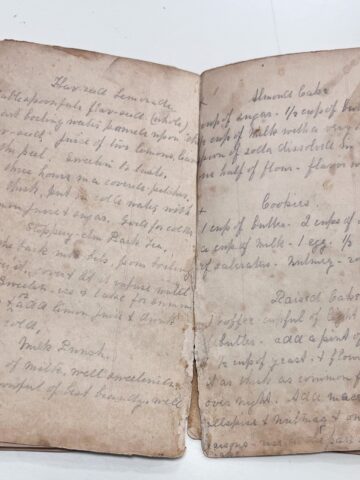
- Maine Manuscript Cook Book (mid-late 1800s)
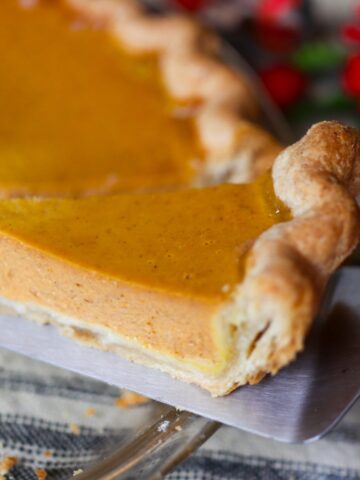
- Pumpkin Pie (1845)
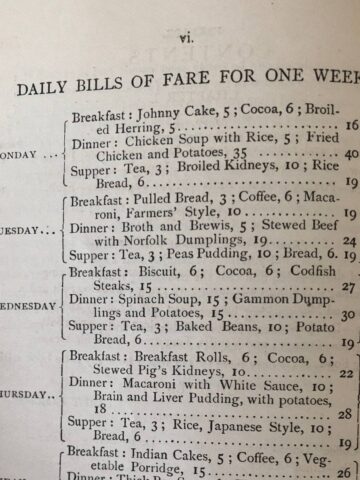
- A Weekly Meal Plan (1885)
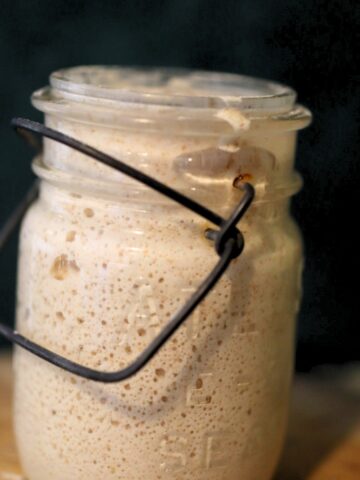
- How to Start Yeast (1885)
- New Year’s Cakes (1871)
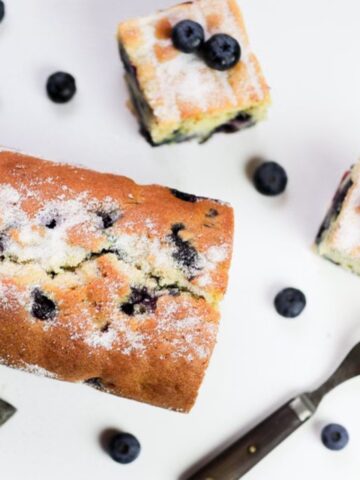
- Huckleberry Cake (1871)
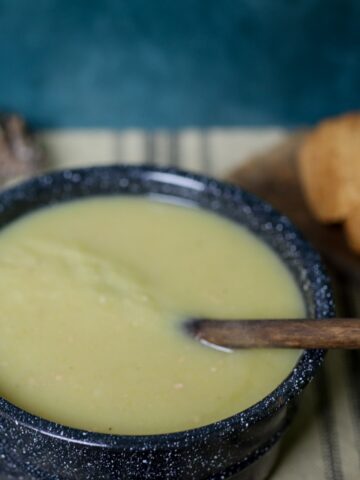
- Potato Soup (1892)
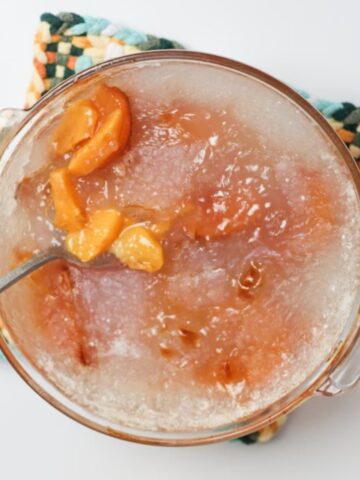
- Peach Tapioca Pudding (1876)
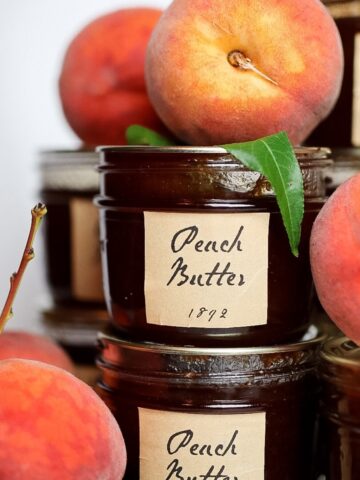
- Peach Butter (1892)
- Raspberry Cordial (1838)
- Vanilla Ice Cream (1881)
- Mrs. Rundell’s Raspberry Jam (1859)

Comments
No Comments